
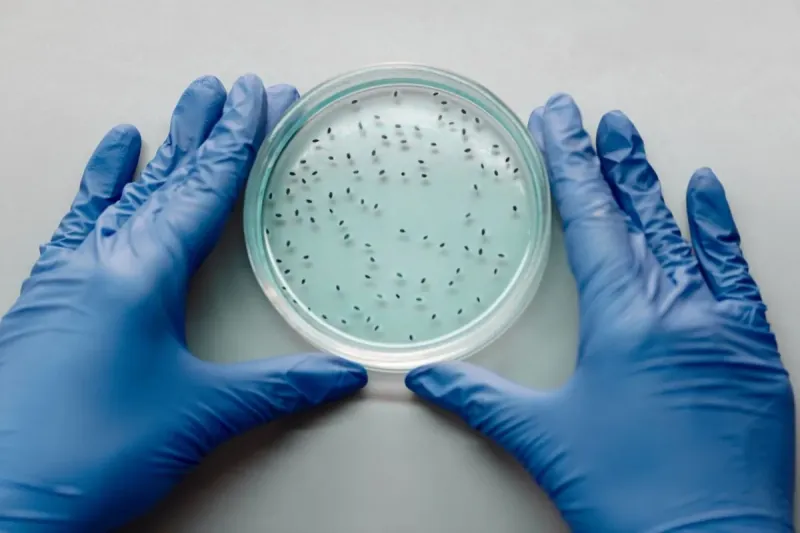
Cultivated (Cell-based) Meat Products Are Expected To Approach Price Parity.
b6ba31bad76ee76c · Resolution source: foodnavigator.com · foodnavigator.com · 2026-07-20Cultivated (Cell-based) Meat Products Are Expected To Approach Price Parity.
Cultivated (Cell-based) Meat Products Are Expected To Approach Price Parity. Probability: 35%. Confidence Level: Low.
Will Cultured Meat Reach Price Parity By 2028?
Cultured meat - the production of real meat through the replication of animal cells in bioreactors - promises a revolutionary shift in food production. Initial products have received limited approval in the US and Singapore, but costs remain significantly higher than traditional meat. So, is it possible to reach price parity by 2028? Industry analyses and FoodNavigator reports suggest this target is realistic, but that overcoming several critical hurdles is necessary.
Can The Cost Of Cell-Based Meat Decrease To Traditional Meat Levels By 2028?
Currently, the cost per kilogram of cell-based meat is considerably high compared to traditional meat. However, it’s expected that costs will decrease as production scales up by 2028. Experts highlight the culture medium (cell culture) cost and energy requirements as the primary expense drivers. Scaling up could reduce the cost of these inputs, but ‘significantly cheaper’ scenarios remain uncertain. Nevertheless, optimistic forecasts suggest that by 2028, the cost per kilogram could approach a level competitive with traditional meat.
What Barriers Need To Be Overcome To Reach Price Parity For Cell-Based Meat?
The biggest barriers to achieving price parity include:
- Culture Medium Cost: The nutrient solution required for cell growth constitutes a large portion of production costs. Making this medium cheaper and more efficient is critical.
- Energy Requirements: Operating bioreactors and maintaining temperature control require significant energy consumption. Transitioning to renewable energy sources could reduce costs.
- Scaling Up: Expanding production facilities can lower unit costs. However, this necessitates substantial investments and technological maturity.
How Are Consumer Acceptance And Regulatory Processes Affecting Commercialization?
The widespread adoption of cultured meat is not solely dependent on cost. Consumer acceptance and regulatory approvals also determine the pace of commercialization. While initial products have received approval in the US and Singapore, regulatory processes are progressing more slowly in Europe and other regions. Consumer perceptions of cultured meat, along with factors such as labeling and transparency, will influence market growth. Therefore, even if price parity is achieved by 2028, it may take time to gain market share.
Frequently Asked Questions
Is Cell-based Meat Real Meat?
Yes, cell-based meat is real meat produced through the replication of animal cells in a laboratory environment. Its genetic makeup and structure are identical to traditional meat, but it does not require slaughtering animals.
When Will Cell-based Meat Be Available On Supermarket Shelves?
Currently, it’s being offered in limited quantities in some restaurants in the US and Singapore. Market-wide sales depend on both cost reductions and broader regulatory approvals. Some market shelf presence is expected in certain markets by 2028.
Is Cell-based Meat Healthier Than Traditional Meat?
Cell-based meat can be produced without antibiotics or hormones, which offers potential advantages. However, its nutritional value is similar to that of traditional meat. Further research is needed to assess long-term health effects.
Related Predictions
- Soil Sensors And AI Are Expected To Significantly Reduce Fertilizer Use. 2028 · Food
- Vertical Farming Is Expected To Supply Roughly 10% Of Urban Food Supply. 2028 · Food
- Precision Agriculture Robots (Autonomous Tractors, Drones) Are Expected To Become Standard On Large Farms. 2027 · Food
- Vertical Farming Facilities Are Expected To Become Widespread At Commercial Scale In Major Cities. 2027 · Food
- CRISPR-developed Drought-resistant Wheat Varieties Are Expected To Enter Commercial Cultivation. 2027 · Food