
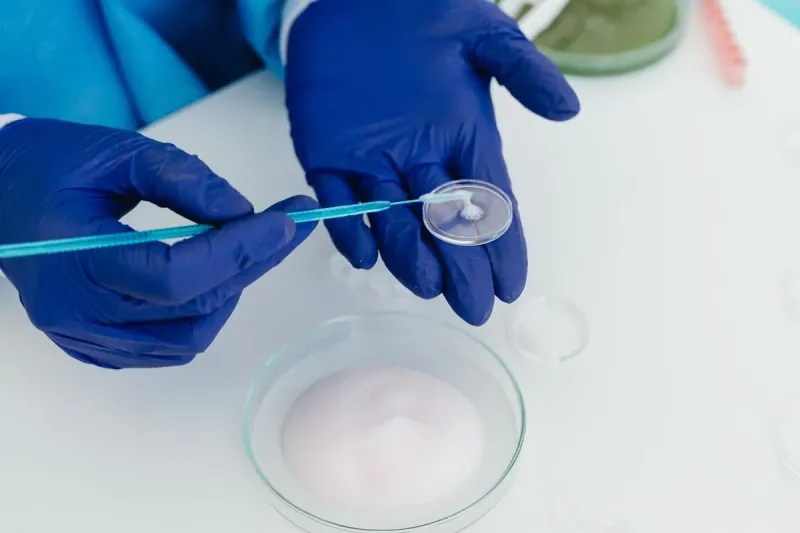
Cultivated Meat Is Expected To Reach Price Parity With Conventional Meat.
46781e253b89d727 · Resolution source: foodnavigator.com · foodnavigator.com · 2026-07-20Cultivated Meat Is Expected To Reach Price Parity With Conventional Meat.
Cultivated Meat Is Expected To Reach Price Parity With Conventional Meat. Probability: 25%. Confidence Level: Low.
Cell-Based Meat Price When Will It Match Traditional Meat?
Cell agriculture is the technology of producing real meat from animal cells in bioreactors. Initial products have received limited approval in the US and Singapore, but costs are still significantly higher than traditional meat. Will this gap close? Predictions for 2029 indicate a 25% probability of reaching price parity.
Could Cell-Based Meat Production Costs Match Traditional Meat In 2029?
According to industry analyses and FoodNavigator reports, the cost of cell-based meat production is decreasing. However, the main obstacle is large-scale production (scaling) and the costs of cell culture media (the liquid needed for cell growth). With increased production scale up to 2029, it’s expected to approach price parity. Nevertheless, energy requirements and media costs make “much cheaper” scenarios uncertain.
What Are The Key Factors Driving Down Cell-Based Meat Prices?
Scaling and Bioreactor Efficiency
Current production facilities are small-scale, resulting in high unit costs. The deployment of industrial-scale bioreactors by 2029 could significantly reduce costs per kilogram. However, timely completion of these investments is critical.
Reduction in Media Costs
Cell culture media makes up a large portion of the cost of cell-based meat. Developing cheaper media using food-grade components could pull prices down. Research and development efforts in this area are progressing rapidly.
How Will Consumer Acceptance And Regulatory Processes Affect The Price?
Consumer acceptance and regulatory approvals will determine the pace of commercialization. As approvals expand in the US and Singapore, prolonged regulatory processes in Europe and Asia could delay scaling, which would slow down price reductions.
Will Cell-Based Meat Price Be Equal To Traditional Meat In 2029?
Current indicators predict a 25% probability that by 2029, the cost per kilogram could fall to or below that of traditional meat levels. However, this is largely dependent on scaling investments and reductions in media costs. Energy prices and regulatory speed will also be decisive. Consequently, price parity is possible but not guaranteed.
Frequently Asked Questions
1. How Much Does Cell-based Meat Cost Currently?
Cell-based meat is still very expensive compared to traditional meat. Costs per kilogram in initial products can reach hundreds of dollars. However, as production scales up, this figure is expected to decline rapidly.
2. When Will Cell-Based Meat Appear On Grocery Shelves If Price Parity Is Achieved?
Even if price parity is achieved in 2029, widespread availability on grocery shelves may not occur until the 2030s. This is because entry into retail chains, consumer habits, and distribution networks take time.
3. Do Cell-Based Meat’s Environmental Advantages Justify The Price?
Cell-based meat requires less land, water, and greenhouse gas emissions compared to traditional animal agriculture. These advantages could allow some consumers to accept high prices. However, competitive pricing is essential for widespread acceptance.
Related Predictions
- Vertical Farming Is Expected To Supply Roughly 20% Of Urban Food Supply. 2029 · Food
- AI-assisted Agricultural Robots Are Expected To Operate Fully Autonomously. 2029 · Food
- Cultivated Meat Production Cost Will Fall Below €10 Per Kilogram, Reaching Rough Price Parity With Conventional Meat. 2029 · Food
- By 2028, With US LNG Export Terminals Operating Near Full Capacity And The İncreasing Share Of South America And Ukraine İn Global Food Trade, A Structural İncrease İn Energy-driven Food Production Costs Will Occur, Putting Upward Pressure Particularly On Grain-based Food Prices. 2028 · Food
- Soil Sensors And AI Are Expected To Significantly Reduce Fertilizer Use. 2028 · Food