
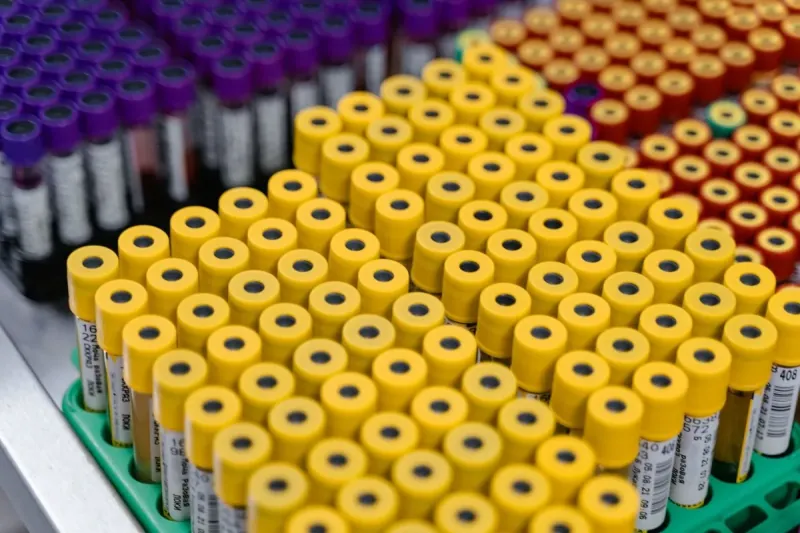
Drugs That Regulate The Circadian Rhythm (Biological Clock) Are Expected To Be Developed.
80bf4f096d383faf · Resolution source: nature.com · nature.comDrugs That Regulate The Circadian Rhythm (Biological Clock) Are Expected To Be Developed.
Drugs That Regulate The Circadian Rhythm (Biological Clock) Are Expected To Be Developed. Probability: 40%. Confidence Level: Medium.
What Is The Circadian Rhythm And Why Does It Matter For Health?
The circadian rhythm is the body's internal clock that regulates sleep-wake cycles, metabolism, hormone release, and other physiological processes over a 24-hour period. According to research highlighted in Nature Reviews Drug Discovery, this rhythm is now considered a key therapeutic target. Disruptions to the circadian rhythm are linked to metabolic disorders, cardiovascular disease, and even cancer. This makes the biological clock a promising area for drug development.
Are There Any Approved Drugs That Directly Target The Biological Clock?
Currently, there are very few licensed medications that directly modulate the circadian rhythm. Most existing treatments focus on melatonin receptor agonists or light-based therapies, but these do not fully reset the biological clock. As noted in peer-reviewed studies and Nature Reviews Drug Discovery, the field is still in an early stage. Direct-acting circadian regulators are mostly in preclinical or early clinical phases, not yet available on the market.
What New Drug Candidates Are Expected By 2027?
By 2027, it is expected that at least one new drug candidate targeting the circadian rhythm will enter clinical development. These candidates aim to modulate core clock genes or proteins, such as CLOCK, BMAL1, or cryptochromes. The prediction is based on ongoing research, with a 40% probability that such a candidate will reach Phase I or II trials by 2027. This would mark a major step toward treating conditions like jet lag, shift work disorder, and even metabolic syndrome.
How Could Chronotherapy Change Existing Treatments By 2027?
Chronotherapy involves timing medication administration to align with the body's circadian rhythm. This approach is expected to become more widespread by 2027, especially for cancer, cardiovascular, and psychiatric treatments. For example, administering chemotherapy at specific times can reduce toxicity and improve efficacy. Nature Reviews Drug Discovery highlights chronotherapy as a part of personalized medicine. By 2027, some hospitals may routinely use circadian-based dosing schedules for certain drugs, even if dedicated circadian drugs are still limited.
What Are The Main Challenges In Developing Circadian Regulating Drugs?
One major challenge is the complexity of the circadian system. It involves multiple feedback loops and interacts with nearly every organ. Another issue is that circadian disruption can be both a cause and a consequence of disease, making it hard to isolate therapeutic effects. Additionally, most current research is preclinical, and translating findings into safe human drugs takes years. The lack of validated biomarkers for circadian phase also complicates clinical trial design. These factors explain why progress is slower than in other therapeutic areas.
What Is The Current Evidence Supporting This Prediction?
The prediction is supported by reviews in Nature Reviews Drug Discovery and other peer-reviewed journals. These sources identify the circadian clock as a druggable target and emphasize the potential of chronotherapy. For instance, studies have shown that time-restricted feeding can improve metabolic health in animal models, and early human trials are exploring clock-modulating compounds. However, as of now, no large-scale Phase III trials have been completed for a dedicated circadian drug. The evidence base is growing but remains preliminary.
What Would Success Look Like By 2027?
Success would mean that at least one new drug candidate enters clinical development, specifically targeting the circadian rhythm. Additionally, broader adoption of chronotherapy in clinical practice would be a positive sign. This could include guidelines for timing of blood pressure medications or insulin. The verification criterion is that a candidate enters Phase I or II trials, or that chronotherapy becomes a standard recommendation in at least one major treatment protocol. Even if no drug is approved by 2027, progress in clinical trials would validate the concept.
How Does This Fit Into The Longevity Category?
Circadian regulation is closely linked to longevity. Disrupted circadian rhythms are associated with accelerated aging and age-related diseases. By restoring proper biological timing, these drugs could improve metabolic health, reduce inflammation, and enhance DNA repair. This positions circadian-targeting therapies as a key component of longevity medicine. The 2027 goal is an early step, but it could pave the way for future anti-aging interventions.
Frequently Asked Questions
Q1: Will There Be A Pill To Reset My Body Clock By 2027?
It is unlikely that a fully approved pill will be available by 2027. The prediction is that a drug candidate will enter clinical trials, not reach the market. Clinical development takes several years, so a marketable drug is more realistic in the early 2030s. However, some existing medications, like melatonin receptor agonists, may be repurposed for better circadian control.
Q2: What Is Chronotherapy And How Is It Different From A Circadian Drug?
Chronotherapy is not a drug, but a treatment strategy. It adjusts the timing of existing medications to match your biological clock. For example, taking blood pressure medication at night instead of morning. A circadian drug directly alters the clock itself. By 2027, chronotherapy is expected to be more common, while circadian drugs are still experimental.
Q3: Which Diseases Could Benefit Most From Circadian Regulating Drugs?
Metabolic disorders like type 2 diabetes, sleep disorders, depression, and certain cancers are the top candidates. Circadian disruption also affects cardiovascular health and cognitive function. Early research suggests that restoring clock function could improve outcomes in these conditions. However, clinical proof is still pending, and benefits may vary by individual chronotype.
Related Predictions
- Anti-aging Molecules (Senolytics) Are Expected To Show Promising Results In Clinical Trials. 2027 · Longevity
- Wearable Devices For Sleep Optimization Are Expected To Become Widespread. 2027 · Longevity
- The First Efficacy Results From The TAME (Targeting Aging With Metformin) Trial Are Expected To Be Published Between 2027 And 2028, Providing The First Strong Signal On Whether Metformin Delays The First Onset Of Age-related Diseases In Non-diabetic Adults Aged 65-79. 2027 · Longevity
- By The End Of 2028, Biological Age Measurement And AI-driven Target Discovery Will Become A Standard Component Of Preclinical Longevity Programs, Used İn At Least 50% Of Such Programs. 2028 · Longevity
- Drugs That Slow The Aging Process Are Expected To Succeed In Clinical Trials. 2028 · Longevity