
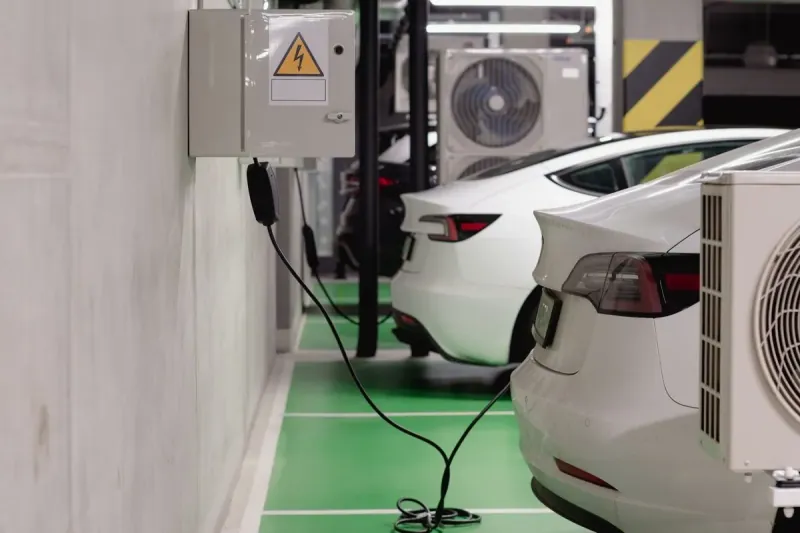
EV Charging Infrastructure Is Completed Along Intercontinental Corridors.
0396aea4c417b896 · Resolution source: driveelectric.gov · DriveElectric.govEV Charging Infrastructure Is Completed Along Intercontinental Corridors.
EV Charging Infrastructure Is Completed Along Intercontinental Corridors. Probability: 66%. Confidence Level: Medium.
Electric Vehicle Charging Infrastructure Completion Timeline For Transcontinental Corridors?
The widespread adoption of electric vehicles requires comprehensive charging infrastructure. The United States Department of Transportation and other countries are establishing charging station networks along major transportation corridors. It is aimed to complete the electric vehicle charging infrastructure in transcontinental corridors by 2027. This infrastructure is critical to reduce range anxiety on long-distance journeys. The regular placement of fast-charging stations along corridors will increase the practicality of electric vehicles.
Why Is A Transcontinental Charging Network Important?
The biggest concern for electric vehicle owners is not being able to find charging points on long trips. A charging network completed in transcontinental corridors eliminates this problem, offering drivers uninterrupted travel opportunities. Fast-charging stations placed along highways would minimize charging times, allowing electric vehicles to compete with gasoline cars.
Which Countries Are Working Towards The 2027 Target?
The United States, European Union countries, and China - major markets - plan to complete their charging networks in key transportation corridors by 2027. The US Department of Transportation aims to install a charging station every 50 miles on interstate highways using federal funding. The European Union has also issued regulations mandating alternative fuel infrastructure along the ‘TEN-T’ corridors. These initiatives suggest that transcontinental corridors will be largely completed by 2027.
How Would Infrastructure Completion Affect Electric Vehicle Sales?
The completion of charging infrastructure would increase consumer confidence and accelerate electric vehicle sales. The reduction in range anxiety would encourage long-distance drivers to switch to electric vehicles. Furthermore, the use of electric trucks in logistics and commercial transportation sectors will also become widespread. This would reduce dependence on fossil fuels and contribute to environmental sustainability.
What Are The Technical Specifications Of Fast Charging Stations?
Charging stations established in transcontinental corridors will typically have fast charging devices with a power output of 150 kW or higher. These devices can fully charge a vehicle up to 80% in 20-30 minutes. Additionally, the stations will include multiple connection points and different plug types, allowing all electric vehicle models to be charged compatibly. Solar panels and battery storage systems will also be integrated for energy needs.
What Challenges Are Encountered In The Transcontinental Charging Network?
Increasing electricity grid capacity is necessary to complete the charging network. Infrastructure investments can take time, especially in rural areas. Furthermore, ensuring compatibility between different countries’ electrical standards and payment systems is important. Despite these challenges, the 2027 target appears achievable thanks to public-private partnerships and technological advancements.
Frequently Asked Questions
Will It Be Possible To Find A Charging Station In Transcontinental Corridors In 2027?
Yes, according to the plans of the United States and the European Union, fast-charging stations will be installed at regular intervals along major transportation corridors by 2027. This will make it easier to find charging points on long-distance journeys.
Which Vehicles Will The Transcontinental Charging Network Cover?
The network is designed to cover all electric passenger cars and light commercial vehicles. Separate charging corridors are also planned for heavy vehicles, so that different segments of electric vehicles can benefit from this infrastructure.
Which Institutions Are Responsible For Installing Charging Stations?
Installation is typically carried out by private energy companies and electric vehicle charging network operators. However, governments accelerate the process through financial incentives and regulations. In the United States, the Department of Transportation coordinates, while in Europe, member countries’ energy ministries coordinate.
Related Predictions
- Hyperloop Prototypes Begin Short-distance Passenger Tests. 2027 · Transport
- Level 4 Autonomous Vehicles Provide Taxi Service In Certain Cities. 2027 · Transport
- Smart Cities Optimise Transport Systems With AI. 2028 · Transport
- Electric Aircraft Provide Commercial Service On Short-haul Flights. 2028 · Transport
- Autonomous Trucks Enter Commercial Use On Highways. 2028 · Transport