
Global Carbon Pricing Will Be Implemented Across All Sectors.
fd35fdef15b693ae · Resolution source: dergipark.org.tr · Carbon Pricing Options and ...Global Carbon Pricing Will Be Implemented Across All Sectors.
Global Carbon Pricing Will Be Implemented Across All Sectors. Probability: 45%. Confidence Level: Medium.
Carbon Pricing: Will It Cover All Sectors By 2035?
Global climate policy’s most debated tool - carbon pricing - is unlikely to achieve its goal of encompassing all sectors and major economies by 2035, despite progressing towards becoming a mandatory mechanism. Current projections show that widespread and comprehensive implementation will likely be impossible due to political and economic realities. What are the key dynamics behind this forecast?
What Is The Current Scope Of Carbon Pricing?
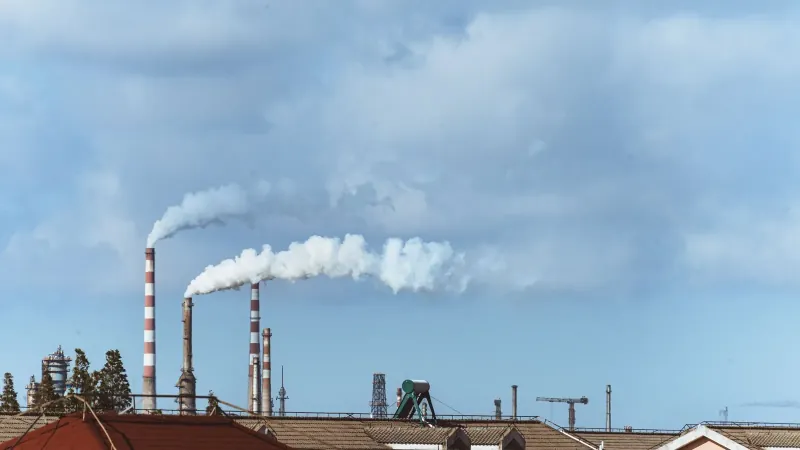
Today, the number of carbon pricing instruments being implemented globally is increasing, but their scope remains limited. The European Union’s Emissions Trading System (ETS) serves as a leading example, primarily targeting energy production and heavy industry. Transportation and, particularly, the agricultural sector are often excluded from these systems due to political sensitivities. While major economies like China have established national carbon markets, these markets do not yet cover all sectors and price levels haven't provided sufficient incentive for emission reductions. Concrete steps towards carbon pricing are largely absent in developing countries.
What Political And Economic Barriers Stand In The Way Of Comprehensive Implementation?
The biggest obstacle to this forecast is the negative impact carbon pricing has on corporate competitiveness. Energy-intensive companies can shift production to countries without carbon pricing - creating “carbon leakage” - if costs aren’t equally distributed globally. This strengthens governments' instinct to protect domestic industries and makes comprehensive implementation politically risky. Furthermore, carbon pricing’s inflationary effect on energy and food prices could increase living costs for low-income households, reducing public support. Consequently, governments struggle to balance economic growth with climate goals, often preferring selective application of carbon pricing rather than widespread coverage.
What Realistic Expectations Should There Be For 2035?
It is predicted that carbon pricing will continue to spread but a universal and comprehensive implementation will not materialize. By 2035, it’s plausible that most major economies will expand their national carbon markets to cover energy and industrial sectors, while partial applications might begin in transportation and agriculture. However, the establishment of a mandatory mechanism covering all sectors on a global scale is unlikely by 2035 due to disparities in development levels and competitiveness concerns among countries. The effectiveness of carbon pricing can be enhanced through increased price levels and strengthened international coordination rather than solely relying on scope expansion.
Frequently Asked Questions
Why Doesn't Carbon Pricing Cover All Sectors?
Carbon pricing can negatively impact corporate competitiveness by causing cost increases in energy-intensive sectors. This could lead companies to shift production to countries without carbon pricing - a phenomenon known as “carbon leakage.” Additionally, the impact of carbon costs on consumer prices in sectors like transportation and agriculture could create inflationary pressures and generate public opposition. Therefore, governments apply carbon pricing selectively in chosen industries to balance political and economic risks.
What Is "Carbon Leakage" And Why Is It Important?
“Carbon leakage” refers to the situation where companies based in a country with carbon pricing relocate their production to countries with lower or no carbon costs. This weakens the competitiveness of domestic industries and hinders global emission reduction efforts. Carbon leakage risk is one of the most significant economic factors hindering the widespread implementation of carbon pricing.
What Developments Are Expected In Carbon Pricing By 2035?
By 2035, it’s anticipated that carbon pricing will continue to spread and existing systems will expand their scope. Higher price levels and broader participation are expected particularly in energy and industrial sectors. Partial applications might begin in transportation and agriculture. However, the implementation of a mandatory mechanism covering all sectors and countries remains unlikely due to political and economic barriers.
Related Predictions
- Microcredit Platforms Will Reach Over 1 Billion Users In Developing Countries. 2035 · Economy
- DeFi Replacing 30% Of Traditional Banking 2035 · Economy
- Central Bank Digital Currencies (CBDCs) Become The Single Standard In Global Trade. 2035 · Economy
- AI-assisted Financial Advisors Serve 100% Of Individual Investors. 2035 · Economy
- Asset Tokenization Accounts For 100% Of The Global Asset Market. 2035 · Economy