
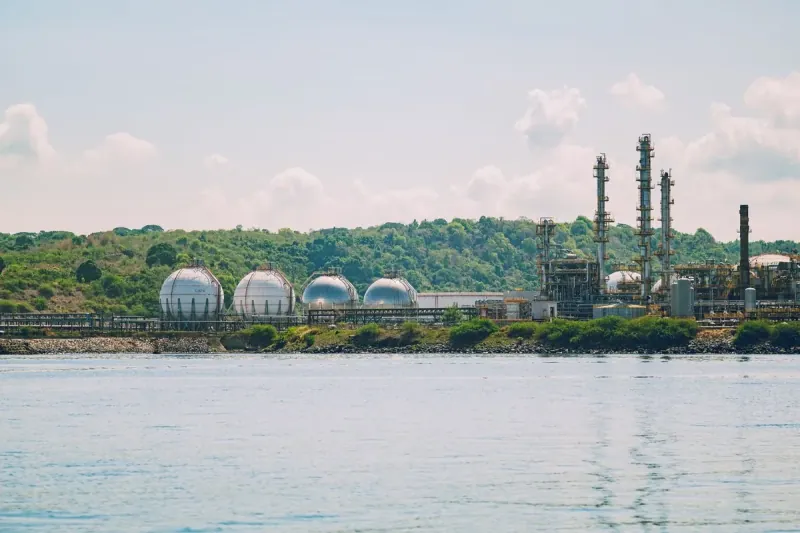
Green Hydrogen Production Cost Is Expected To Fall To The $2 Per Kilogram Benchmark In Many Parts Of The World By 2030.
dfe39fd4e72df316 · Resolution source: spglobal.com · spglobal.comGreen Hydrogen Production Cost Is Expected To Fall To The $2 Per Kilogram Benchmark In Many Parts Of The World By 2030.
Green Hydrogen Production Cost Is Expected To Fall To The $2 Per Kilogram Benchmark In Many Parts Of The World By 2030. Probability: 58%. Confidence Level: Low.
What Is Green Hydrogen And Why Does Its Cost Matter?
Green hydrogen is produced by splitting water into hydrogen and oxygen using renewable electricity. Unlike grey hydrogen, which is made from fossil fuels, green hydrogen emits no carbon dioxide during production. Its cost is critical because it determines whether industries can adopt it as a clean fuel for steelmaking, shipping, and heavy transport.
Will Green Hydrogen Reach $2 Per Kilogram By 2030?
The prediction is that green hydrogen production costs will drop to $2 per kilogram in many regions by 2030. The probability is estimated at 58%. This target is seen as the threshold where green hydrogen becomes competitive with grey hydrogen, which currently costs between $1.5 and $3 per kilogram depending on natural gas prices.
What Do BloombergNEF And IRENA Forecast?
BloombergNEF (BNEF) projects that a scaled-up industry could achieve $2 per kilogram by 2030 and $1 per kilogram by 2050. The International Renewable Energy Agency (IRENA) similarly states that green hydrogen could fall below $2 per kilogram within a decade, driven by declining electrolyzer costs and cheaper renewable electricity. These two sources are the primary benchmarks for this prediction.
Which Countries Have Officially Adopted The $2 Target?
India has officially adopted a $2 per kilogram target for 2030. The country combines government incentives, local electrolyzer manufacturing, and low-cost renewable energy to reach this goal. Other regions, including parts of the Middle East and Australia, are expected to follow due to abundant solar and wind resources.
What Factors Could Prevent Reaching $2 Per Kilogram?
Some analysts argue that current national strategies estimate costs between $5 and $10 per kilogram, which suggests that electrolyzer costs may be underestimated. The real cost in 2030 will depend on how quickly economies of scale materialize and whether grid renewable electricity prices continue to fall. If supply chain bottlenecks or financing costs persist, the $2 threshold may slip to the mid-2030s.
How Do Electrolyzer Costs Affect The Final Price?
Electrolyzers are the devices that split water. Their cost has fallen by about 40% in the last five years, but further reductions are needed. A 50% reduction in electrolyzer capital costs could lower hydrogen production cost by roughly 25%, assuming electricity prices remain stable. This is why scaling manufacturing is critical.
What Is The Current Status Of Large-Scale Projects?
As of 2024, global electrolyzer capacity is about 1 gigawatt, but announced projects exceed 100 gigawatts. If even half of these projects are completed by 2030, the exponential increase in capacity could push costs down faster than expected. The first projects in Australia and Saudi Arabia are expected to produce hydrogen at around $3 to $4 per kilogram by 2026, providing early data points.
Frequently Asked Questions
How Is Green Hydrogen Cost Measured?
The cost is measured using the Levelized Cost of Hydrogen (LCOH), which includes capital costs, operating expenses, electricity prices, and electrolyzer efficiency. LCOH is reported annually by BNEF and IRENA in their global hydrogen reports.
What Is The Difference Between Green And Grey Hydrogen Cost?
Grey hydrogen costs between $1.5 and $3 per kilogram depending on natural gas prices. Green hydrogen currently costs between $3 and $6 per kilogram. The $2 threshold for green hydrogen would make it cheaper than grey hydrogen in many markets without carbon pricing.
When Will We Know If The 2030 Target Is Met?
BNEF and IRENA release updated LCOH data every year. The first definitive signs will appear by 2027, when large projects in India, Europe, and Australia begin full operation. By 2029, the annual reports will provide clear evidence on whether the $2 per kilogram cost is achievable on a global scale.
Related Predictions
- Renewable Energy Meets 60% Of Global Electricity. 2029 · Climate
- Global Carbon Emissions Peak And Begin To Decline. 2029 · Climate
- Fusion Energy Connects To The Electricity Grid At Commercial Scale For The First Time. 2029 · Climate
- Global Installed Battery Energy Storage Capacity Will Exceed 600 Gigawatts By The End Of 2031. 2031 · Climate
- By The End Of 2029, No Fusion Energy Company Will Have Delivered Commercial Electricity To The Grid, And Helion Energy's 2028 Target To Deliver 50 MW To Microsoft Will Not Be Met. 2029 · Climate