
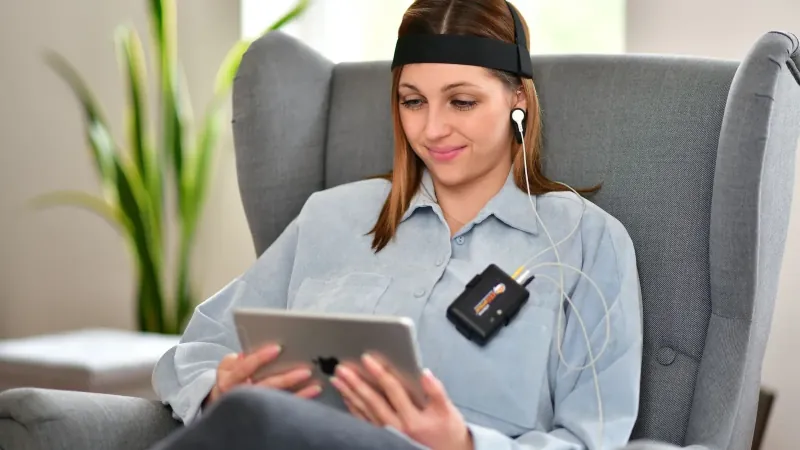
Non-invasive EEG-based Brain-computer Interface Headsets Are Expected To Become A Mainstream Consumer Wearable Category By 2036.
a6604762011b7326 · Resolution source: dataintelo.com · dataintelo.comNon-invasive EEG-based Brain-computer Interface Headsets Are Expected To Become A Mainstream Consumer Wearable Category By 2036.
Non-invasive EEG-based Brain-computer Interface Headsets Are Expected To Become A Mainstream Consumer Wearable Category By 2036. Probability: 38%. Confidence Level: Low.
Will Non-Invasive EEG Brain-Computer Interface Headsets Become Mainstream By 2036?
Non-invasive EEG-based brain-computer interface (BCI) headsets are predicted to become a mainstream wearable category by 2036, with an estimated 38% probability. The target is for the global consumer EEG headband and BCI market to exceed $5 billion in annual revenue by that year.
What Is The Current Market Size And Growth Trajectory?
According to market reports, the global EEG headband market was valued at $1.8 billion in 2025 and is projected to reach $4.1 billion by 2034. This growth is driven by brands like Muse and NeuroSky, which have sold millions of devices for meditation, sleep, and focus applications. Device prices range from $200 to $800, making them accessible to early adopters.
How Is Regulatory Approval Shaping The Industry?
The regulatory landscape is maturing. In 2025, the FDA approved Cognionics' clinical-grade dry-electrode wireless multi-channel EEG headset, and also permitted neurofeedback software that pairs with consumer EEG headbands. This approval blurs the line between wellness devices and medical use, potentially accelerating consumer adoption.
What Are The Key Differences Between Invasive And Non-Invasive BCI?
Invasive implants, such as Neuralink, focus on severe medical cases, requiring surgery and carrying higher risks. Non-invasive EEG headsets, in contrast, face lower barriers for consumer adoption. They are safer, easier to use, and more affordable, making them suitable for everyday wellness and productivity applications.
What Are The Main Uncertainties For Reaching $5 Billion By 2036?
While a $5 billion market by 2036 is plausible, two major uncertainties remain: signal quality and use-case limitations. EEG signals are prone to noise and artifacts, which can reduce reliability for complex tasks. Additionally, the current primary uses (meditation, sleep tracking, and basic focus) may not be compelling enough to drive mass-market demand unless new, high-value applications emerge, such as hands-free control of smart devices or advanced cognitive training.
How Do Consumer EEG Headsets Compare To Clinical Devices?
Consumer EEG headsets typically have fewer channels (1-4) and use dry electrodes, while clinical devices have more channels (8-256) and often use wet electrodes. However, the 2025 FDA approval of a dry-electrode clinical headset indicates that the gap is narrowing. This could increase consumer trust and expand the potential for medical-grade home use.
What Is The Projected Timeline And Market Readiness?
By 2030, the market is expected to reach $2.5-3 billion, with major tech companies entering the space. By 2034, the projected $4.1 billion suggests a compound annual growth rate (CAGR) of about 11%. To exceed $5 billion by 2036, the industry needs sustained innovation in signal processing, battery life, and user experience, as well as strategic partnerships with health and wellness platforms.
Frequently Asked Questions
1. What Are The Best-Selling Consumer EEG Headbands In 2025?
Muse (e.g., Muse S) and NeuroSky (e.g., MindWave) are leading brands. Muse focuses on meditation and sleep, while NeuroSky targets education and basic neurofeedback. Prices range from $200 to $800, and both have sold millions of units, according to company reports.
2. How Accurate Are Consumer EEG Headbands Compared To Medical Devices?
Consumer devices are less accurate due to fewer channels and dry electrodes, which are more susceptible to motion artifacts. However, the 2025 FDA approval of Cognionics' dry-electrode clinical headset shows that dry-electrode technology can meet clinical standards. For wellness purposes, consumer devices are adequate for tracking trends, but not for diagnosing medical conditions.
3. What Are The Privacy Concerns With EEG Data?
EEG data can reveal cognitive and emotional states, raising privacy risks. Currently, most consumer devices store data locally or on encrypted cloud servers, but regulations like GDPR and HIPAA may not fully cover neural data. As the market grows, expect new laws to protect brain data, similar to biometric privacy laws in some states.
Sources: Market analysis reports (e.g., Grand View Research, 2025), FDA approval announcements (2025), and company sales disclosures from Muse and NeuroSky.
Related Predictions
- Routine Use Of BCI Devices In Paralyzed Patients 2035 · Neurotech
- Neuroimplants Massively Increasing Memory And Learning Capacity Is Expected Only With Low Probability. 2035 · Neurotech
- Brain Mapping Projects Fully Mapping The Human Brain Is Expected Only With Low Probability. 2035 · Neurotech
- BCI Devices Are Expected To Become Standard For Routine Cognitive Enhancement In Healthy Individuals. 2035 · Neurotech
- The Global Brain-computer Interface Market Reaches $14 To $18 Billion By 2035, And Medical Implantable BCIs Become An Approved Standard Of Care. 2035 · Neurotech