
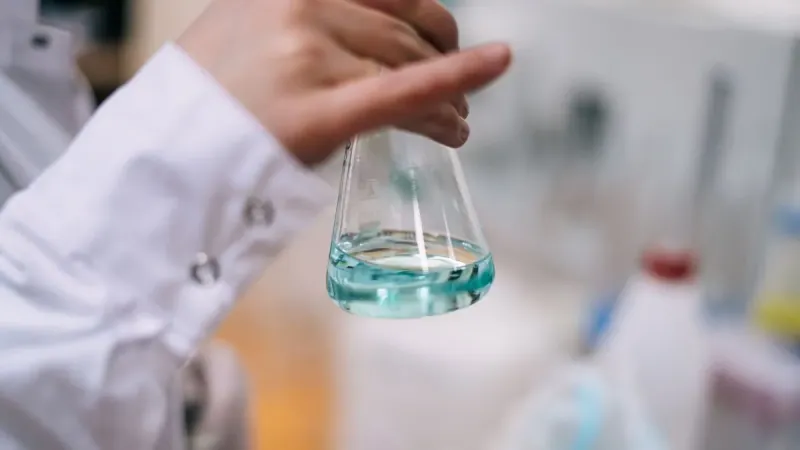
Bacteria With Synthetic Genomes Are Expected To Clean Up Environmental Toxins.
064cb8662e846626 · Resolution source: ekolojionline.com · Effects of Synthetic Biology on Ecological SustainabilityBacteria With Synthetic Genomes Are Expected To Clean Up Environmental Toxins.
Bacteria With Synthetic Genomes Are Expected To Clean Up Environmental Toxins. Probability: 50%. Confidence Level: Medium.
Can Synthetic Genomes Bacteria Clean Up Environmental Toxins?
Synthetic biology offers the ability to construct an organism’s genetic code from scratch through computer-assisted design and chemical synthesis of DNA sequences. One of the most ambitious applications in this field is the biological remediation (bioremediation) of environmental pollution. Can bacteria with synthetic genomes, by 2036, effectively break down heavy metals or petroleum-derived toxins, creating a revolution in this area? Current estimates assign a probability of 50% to this scenario and mark 2036 as the target year.
What Is The Current Status Of Synthetic Genome Studies?
Natural or genetically modified microorganisms are currently used on a limited scale for the treatment of oil spills and industrial wastewater. For example, some Pseudomonas species can degrade hydrocarbons, but this process is slow and highly sensitive to environmental conditions. Synthetic genome studies began in 2010 with the chemical synthesis of Mycoplasma mycoides. Since that date, costs associated with synthesis and editing on a chromosomal scale have decreased, but functional genome design remains largely experimental. CRISPR and AI-supported modeling increase the predictability of gene circuits, but engineering a synthetic bacterium to survive in an environmental niche and continuously express the desired enzymatic pathway remains a significant engineering challenge.
What Critical Developments Are Needed For This Estimate To Realize?
The likelihood of this estimate coming true depends on two critical developments. Firstly, the maturation of the “minimal cell” concept within synthetic genomes. This involves designing strains with high energy efficiency by eliminating unnecessary genes and focusing on toxin degradation pathways. Secondly, resolving ecological competition and genetic stability issues encountered upon exiting a controlled environment. For example, a bacterium designed to degrade a petroleum derivative like benzene should be able to compete with natural soil microbiota and maintain its genetic structure across generations.
Why Are Field Tests And Biosecurity So Important?
As synthetic biology and synthetic genomics rapidly advance, long-term field tests and biosecurity regulations are needed for the safe and effective use of living organisms in environmental conditions. The validation criteria require repeatable performance either in the field or in controlled environments. Therefore, a laboratory success will only be considered valid if repeatedly demonstrated under real-world conditions. This encompasses not just engineering success but also ecological risk assessments and stringent biosecurity protocols. The release of synthetic organisms into nature would face serious regulatory hurdles due to uncontrolled gene spread and potential impacts on ecosystem balance.
Frequently Asked Questions
Which Toxins Can Synthetic Genome Bacteria Clean Up?
The primary targeted toxins include heavy metals (such as mercury, lead) and petroleum derivatives (hydrocarbons like benzene, toluene). Specific enzymatic pathways are synthesized in bacteria for the breakdown of these substances.
How Will This Technology Differ From Natural Bioremediation?
Natural microorganisms typically work slowly and are sensitive to environmental conditions. Synthetic genome bacteria can be designed with high energy efficiency, targeted functionality, and faster degradation capabilities. This would allow for a much more controlled and effective process.
What Is The Biggest Obstacle To This Technology’s Advancement By 2036?
The biggest obstacle is translating laboratory success into field conditions. Synthetic bacteria need to survive in natural ecosystems, maintain their genetic stability, and sustain desired performance. Furthermore, biosecurity regulations and public acceptance will be critical factors determining the pace of the process.
Related Predictions
- Biosensor Implants Will Perform 24/7 Cancer Screening By 2036. 2036 · Biotech
- Neural Prostheses Will Restore Natural Movement Abilities To Paralyzed Patients. 2035 · Biotech
- Organoids Completely Replace Animal Testing In Drug Trials 2035 · Biotech
- Bioelectronic Implants Will Be Widely Used To Manage Chronic Diseases. 2035 · Biotech
- Synthetic Meat Becomes 30% Cheaper Than Conventional Meat 2035 · Biotech