
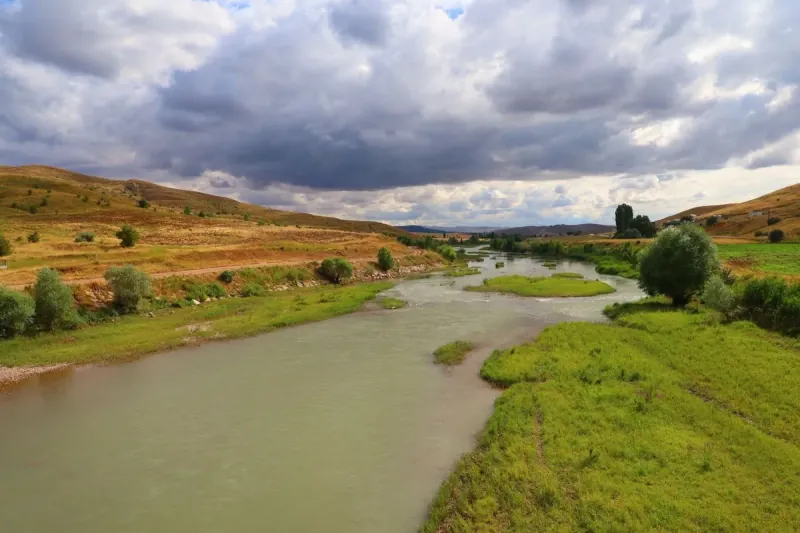
Biodiversity Monitoring Systems Operate At A Global Scale
8b5b186f34c5df47 · Resolution source: openknowledge.fao.org · The State of the World's Biodiversity for Food and Agriculture Report - SummaryBiodiversity Monitoring Systems Operate At A Global Scale
Biodiversity Monitoring Systems Operate At A Global Scale Probability: 85%. Confidence Level: Medium.
Why Global Biodiversity Monitoring Systems Are Critical?
Although biodiversity conservation is often overshadowed by the climate crisis, it remains one of the most critical indicators of planetary health. The accelerating rate of species extinction, the shrinking of natural habitats, and the collapse of ecosystem services necessitate that decision-makers have access to timely and accurate data. Driven by this need, a 2035 target envisions the establishment of a global biodiversity monitoring network comprising at least 100 countries, featuring standardized, real-time data sharing and communication. This system will not only be a scientific infrastructure but also a test of international collaboration and technological maturity.
Why Are Biodiversity Data Still Scattered And Insufficient?
Currently, biodiversity data is highly fragmented. Countries maintain their national inventories using different methodologies, with data typically published in delayed annual reports. Despite being the most comprehensive global database - the IUCN Red List - it can only regularly assess a portion of species. While satellite-based observations have made significant progress in tracking land cover change and habitat fragmentation, they often fall short in capturing population dynamics at the species level. This frequently leads to conservation policies based on outdated or incomplete data.
Can A Global Biodiversity Monitoring Network Be Established By 2035?
The potential for this target to materialize is high. Environmental DNA (eDNA) technology, extracting genetic traces of entire species communities from water and soil samples, reduces reliance on field work. Artificial intelligence-supported image processing algorithms can automatically identify tree species in satellite images and animal movements using infrared cameras. The cost of these technologies is decreasing year by year, while data processing capacity is increasing. However, despite this rapid progress, funding shortages and disagreements over international data sharing could delay the full implementation beyond 2035. Particularly, infrastructure deficiencies and concerns about data sovereignty in developing countries can slow down the network’s expansion.
What Technologies Will This System Rely On?
A global monitoring network will be built upon three key technologies: satellite observations (for land cover and habitat change), eDNA analyses (for detecting species diversity at a genetic level), and artificial intelligence-supported data processing (for instantaneous analysis of massive datasets). The integration of these technologies will enable the simultaneous tracking of both large-scale habitat changes and population dynamics at the species level. For example, satellite images can show what percentage of a forest has been lost, while eDNA samples can reveal which species remain in that area.
Frequently Asked Questions
What Data Will This Monitoring Network Share In Real Time?
The network will share standardized data on species populations, habitat changes, migration routes, and ecosystem health indicators in real-time across international platforms. This will allow scientists and policymakers to base conservation decisions on up-to-date information.
What Is The Biggest Obstacle To Establishing This System?
The biggest obstacles are not technological limitations but rather political and financial challenges. Concerns about national sovereignty regarding data sharing and securing funding for infrastructure investments in developing countries are key factors that could delay the network’s full implementation.
Is The 2035 Target Realistic?
Given technological advancements and falling costs, the 2035 target is quite realistic. However, the 85% probability forecast indicates that its completion depends on funding and international collaboration. While technological maturity exists, the target could slip to the 2040s if global consensus cannot be achieved.
Related Predictions
- Climate Models Will Achieve 95% Accuracy With AI-assisted Systems. 2035 · Climate
- Sea Level Rise Projections Become More Precise 2035 · Climate
- Increasing Debates On Climate Engineering (Geoengineering) 2035 · Climate
- A 50% Reduction In Methane Emissions In The Energy Sector 2035 · Climate
- Renewable Energy Meets 100% Of Global Electricity. 2035 · Climate