
By 2038, Biological Treatment Systems Reduce Energy Consumption By 50%.
f38c201e8722a8cf · Resolution source: avkvana.com.tr · Aeration in wastewater: Big savingsPrediction Details
By 2038, Biological Treatment Systems Reduce Energy Consumption By 50%. Probability: 75%. Confidence Level: Medium.
Biological Wastewater Treatment Systems: Why Energy Consumption Is Critical?
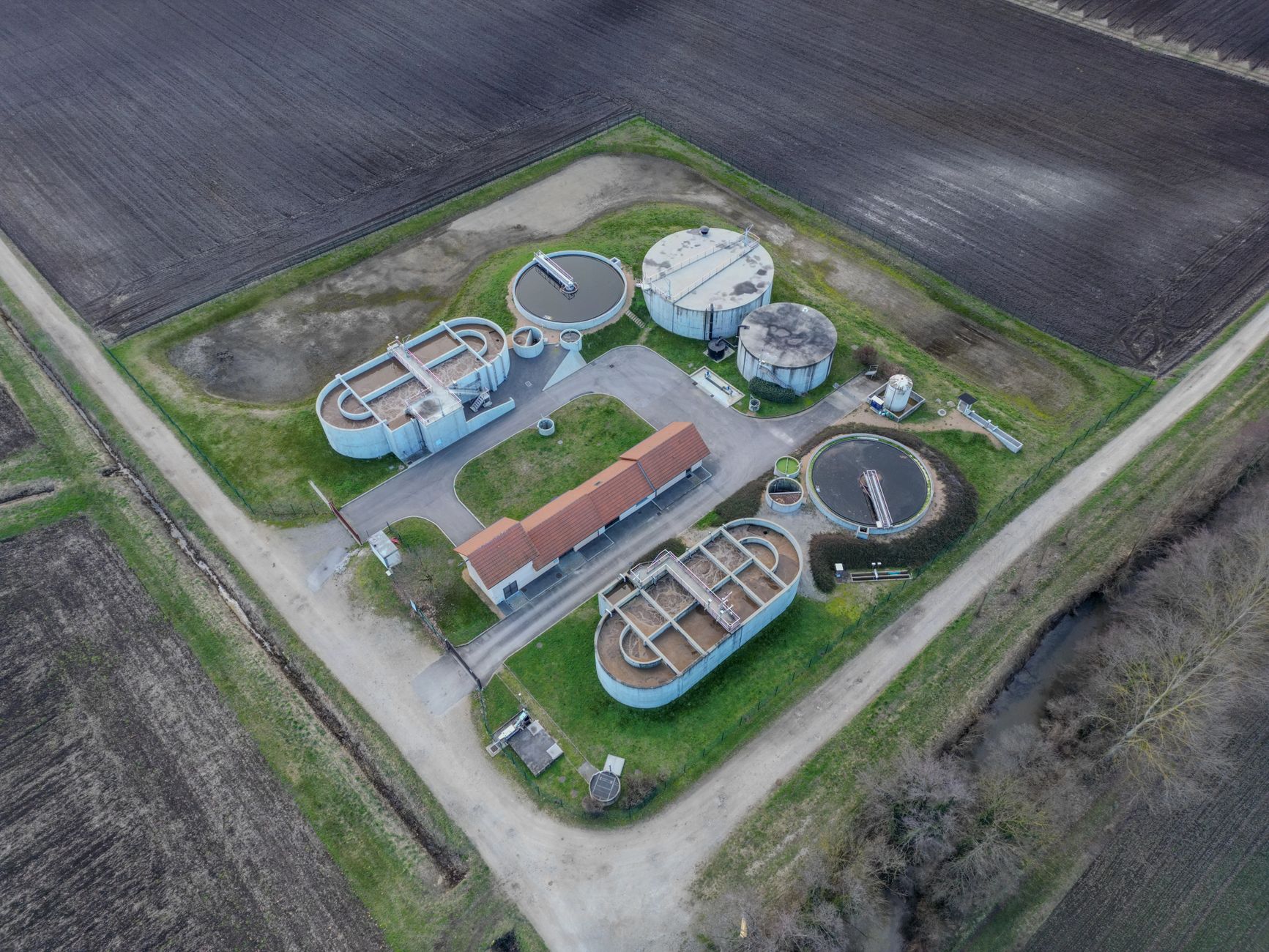
Biological wastewater treatment plants account for a significant portion of global electricity consumption due to the increasing urbanization and industrial activity. In traditional activated sludge systems, most of the energy is spent on aeration units providing oxygen to microorganisms and sludge recirculation pumps. By 2025, an average plant’s energy intensity is expected to range from 0.45 to 0.8 kilowatt-hours per cubic meter of wastewater. This value largely stems from reactive control systems striving to maintain dissolved oxygen concentration.
Could A 50% Energy Reduction Be Possible By 2038?
Yes, it’s possible. Current trends predict improvements of 2-3% annually with energy-efficient membrane bioreactors and process optimization. This rate would cumulatively achieve the 50% target by 2038. However, this target remains optimistic given that annual energy improvements have only reached 1.5-2.5% over the past decade, largely driven by equipment upgrades. A more comprehensive transformation is needed for 2038.
What Technological Breakthroughs Are Required?
Achieving this goal depends on three key technological breakthroughs:
1. Energy Recovery Membrane Bioreactors: Implementing vacuum pumps and self-cleaning membrane modules with energy recovery in membrane bioreactor systems could reduce the air scouring energy spent preventing membrane fouling by 40%.
2. Artificial Intelligence (AI)-Supported Process Control: Algorithms that predict organic load in real-time can adjust aeration rates dynamically based on demand, preventing unnecessary energy loss. This eliminates excessive energy consumption caused by reactive control systems.
3. Advanced Biogas Production: Increasing the efficiency of converting chemical energy within the wastewater into biogas is critical. Utilizing thermophilic pre-treatment and microwave-assisted sludge disintegration methods could generate more than 60% of the plant’s own energy needs, reducing external energy dependence and halving net energy consumption.
What Process Optimizations Are Being Implemented For Energy Efficiency?
Fine bubble diffusers and high-efficiency turbo blowers have become widespread in recent years. However, the greatest gains are achieved through optimization encompassing the entire process. For example, using ammonia and nitrate sensors instead of dissolved oxygen sensors in aeration control can reduce energy consumption by 20-30%. Furthermore, tracking sludge age and organic load to control recirculation pump speeds provides additional energy savings.
Frequently Asked Questions
1. How Will The Reduction In Energy Consumption Be Verified?
The verification criterion is that energy consumption in biological wastewater treatment plants with the same capacity will have halved compared to the 2025 level by 2038. This is determined by comparing kilowatt-hours per cubic meter of wastewater consumed.
2. What Innovations Are Prioritized To Achieve This Target?
Prioritized innovations include energy recovery membrane modules, AI-based aeration control, and high-efficiency biogas production systems. Implementing these three together appears feasible for achieving the 50% target by 2038.
3. Why Does The 50% Target Remain Optimistic For 2035?
The current annual improvement rate is 1.5-2.5%, and this rate would only provide a 30-35% reduction by 2035. A faster decline requires the widespread adoption of technological breakthroughs (particularly AI and membrane energy recovery) and the renewal of existing plants. This transformation timeline poses a significant challenge for 2035.
Related Predictions
- By 2037, Desalination Membranes Will Reduce Energy Consumption By 80%. 2037 · Ocean
- By 2037, Commercial Production Of Underwater Seaweed Farming Facilities Will Become Widespread. 2037 · Ocean
- By 2037, Atmospheric Water Generators Will Become Widespread In Arid Regions. 2037 · Ocean
- By 2037, 50% Of Desalination Plants Powered By Renewable Energy. 2037 · Ocean
- AI Systems Monitoring Ocean Biodiversity Will Be Operational In 2036. 2036 · Ocean