
By 2037, Biomass Will Meet 15% Of Global Energy Demand.
bf5d33dd73d2535c · Resolution source: ouci.dntb.gov.ua · Combustion Characteristics of Biomass, Sewage Sludge and Lignite BlendsPrediction Details
By 2037, Biomass Will Meet 15% Of Global Energy Demand. Probability: 75%. Confidence Level: Medium.
Can Biomass Meet 15% Of Global Energy Demand By 2037?
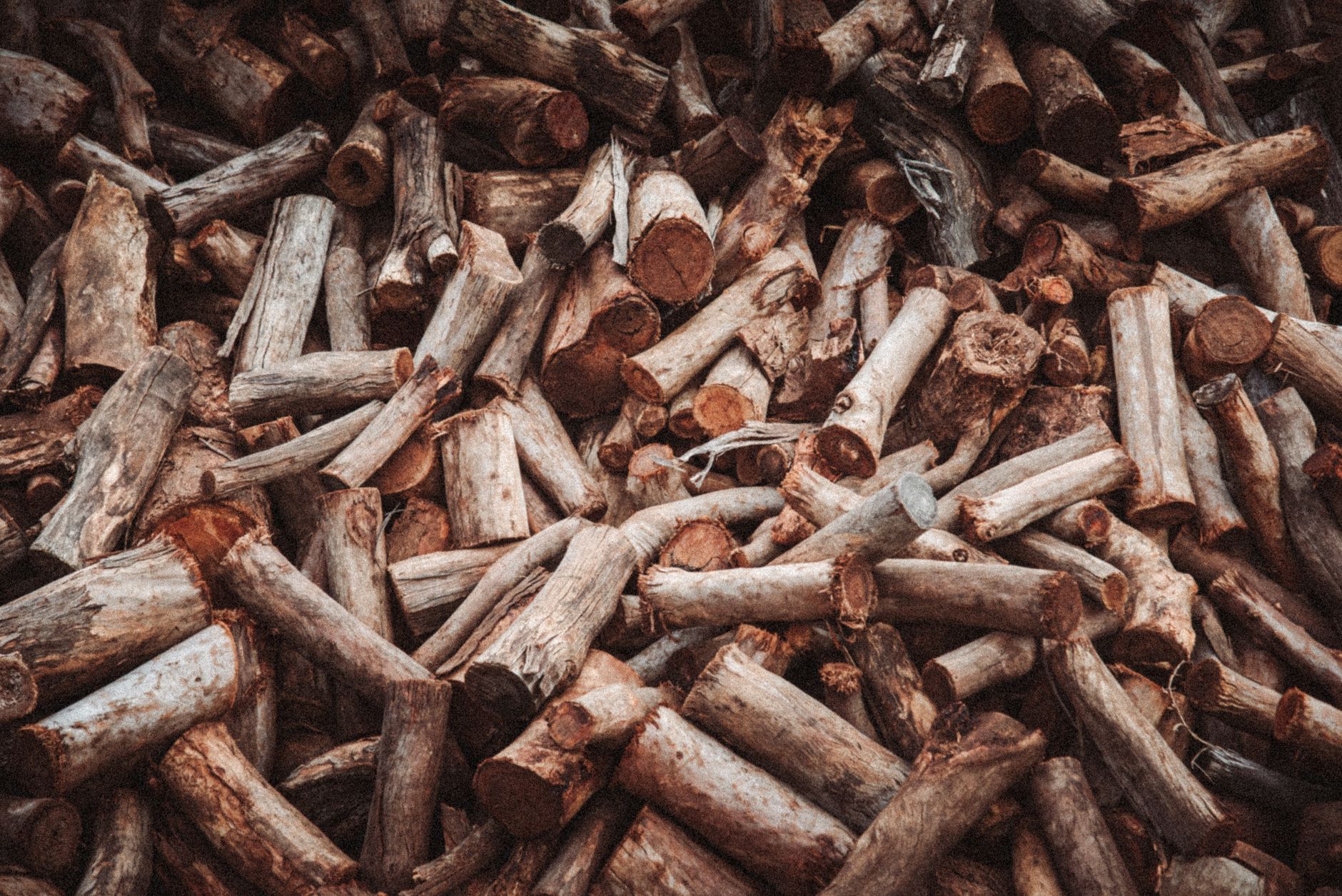
The discussion surrounding energy transformation centers on both the fate of fossil fuels and the diversity of renewable resources. Given the fluctuating production profiles of solar and wind power, there’s a need for energy sources that can be stored and operate continuously, positioning biomass as a strategic resource. However, this source's share in the global energy mix is marked by a significant disparity with traditional use (wood and sawdust) versus modern facility-produced biofuels and biogas. The projection of biomass reaching 15% of total primary energy supply by 2037 serves as a critical test for the trajectory of this dual structure.
Current Status: Why Has Share Remained At 10-12%?
According to International Energy Agency (IEA) and BP Statistical Review of World Energy data, biomass’s share of the global energy mix has fluctuated between 10% and 12% over the past decade. Much of this variation is driven by traditional cooking and heating methods in developing countries. The share of modern biofuels (ethanol, biodiesel) in the transportation sector doesn't exceed 3%. On the other hand, wood pellet use for electricity generation in the European Union and North America has increased, particularly alongside coal conversion projects. However, this growth cannot balance the pressure created by rapid electrification and a shift to natural gas in Asia. This picture indicates that achieving the 15% target is far from possible with current trends, but theoretically achievable under specific conditions.
What Factors Could Trigger The 15% Target?
The strongest driving force for achieving this target is the pressure to reduce carbon dioxide emissions. Particularly in heavy industries like cement and steel, where electrification is insufficient for high-temperature processes, biomass emerges as the single renewable alternative that can be integrated into existing infrastructure. Furthermore, within negative emission technologies, biomass energy with carbon capture and storage (BECCS) projects - generating energy while drawing carbon from the atmosphere - could increase interest in this resource. Nevertheless, transforming traditional biomass into modern, sustainable systems could lift its share by increasing efficiency.
What Obstacles Exist?
Conversely, sustainability concerns and land use competition pose significant obstacles. The risk of deforestation, food security threats, and biodiversity loss limit the expansion of biomass usage. Additionally, a transition to modern energy in regions where traditional biomass is dominant can decrease this share. Without technological advancements and political support, it’s unlikely that current trends will capture 15%; experts estimate the share could only reach 13-14% by 2037, with 15% representing an optimistic scenario.
Frequently Asked Questions
Why Has Biomass Share Remained At 10-12% Over The Last Decade?
This is because traditional biomass use (wood, sawdust) remains dominant in developing countries while the increase in modern biofuel and biogas production cannot balance the decline caused by electrification and natural gas shifts in Asia. Furthermore, sustainability constraints and land competition limit growth.
Under What Conditions Could The 15% Target Be Achieved?
This target could be realized through the widespread adoption of biomass in heavy industries, the commercialization of negative emission technologies like BECCS, and the conversion of traditional use into modern, efficient systems. Strengthening carbon pricing policies and sustainability certifications for biomass would also provide a boost.
What Risks Are Associated With Increased Biomass Usage?
Deforestation, food security threats, and biodiversity loss are the most significant risks. Uncontrolled biomass demand can damage natural ecosystems and increase carbon emissions. Therefore, sustainable resource management and waste-based biomass utilization are of critical importance.
Related Predictions
- By 2037, Energy Harvesting Devices Will Widely Power IoT Devices. 2037 · Energy
- By 2037, Hydrogen Trains Will Operate On Commercial Lines. 2037 · Energy
- By 2035, The İnstalled Capacity Of Offshore Floating Solar Power Plants Will Exceed 25 GW. 2035 · Energy
- By 2035, Microgrid Systems Will Provide 50% Of Rural Electricity. 2035 · Energy
- By 2035, Energy Storage Capacity Will Increase 10-Fold. 2035 · Energy