
Energy Predictions
17 sourced future predictions currently published in the Energy category. Every prediction rests on a source, a criterion and a probability.
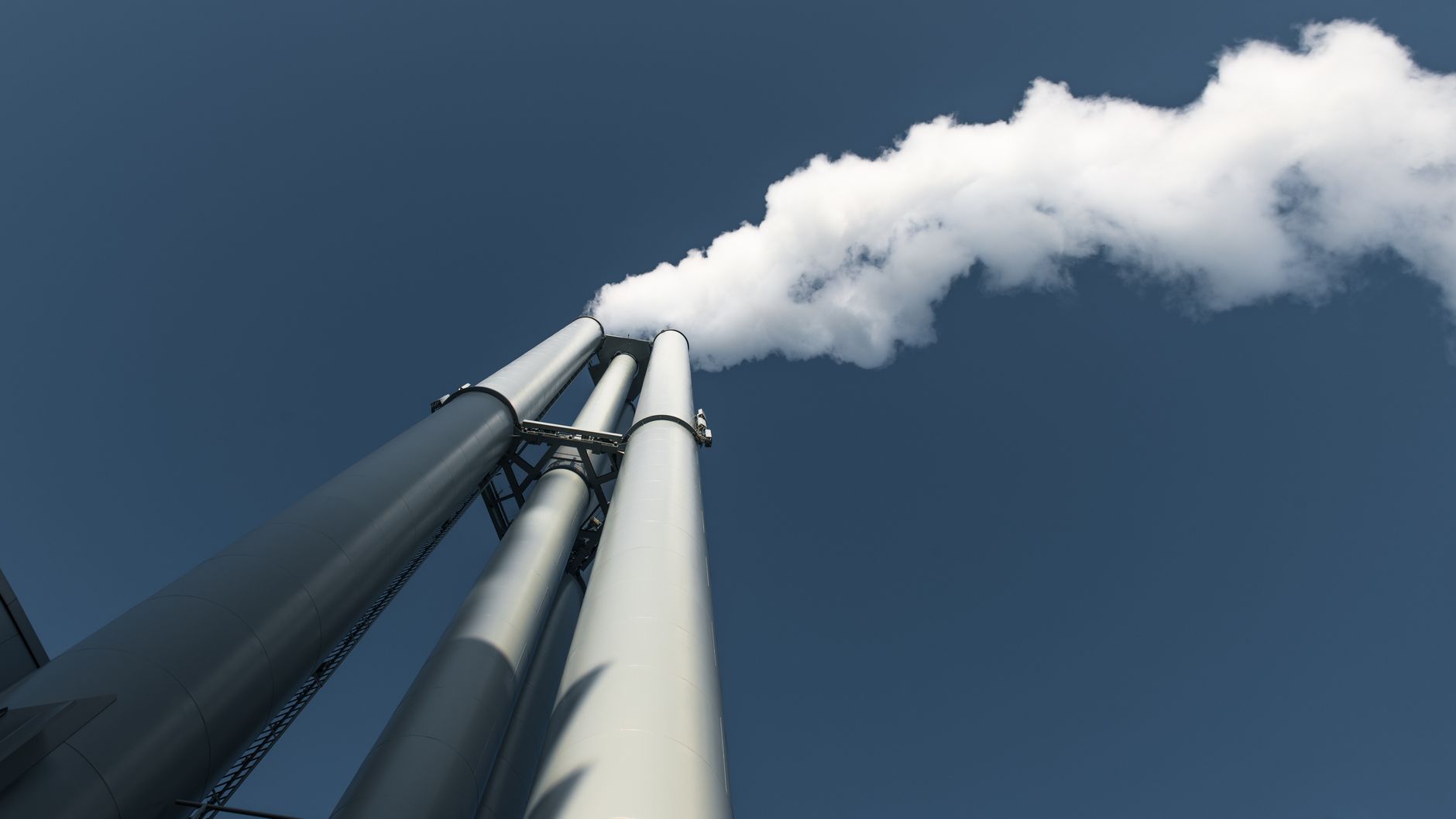
Carbon Capture And Storage (CCS) Capacity Will Reach 270 MtCO2/year By 2030.
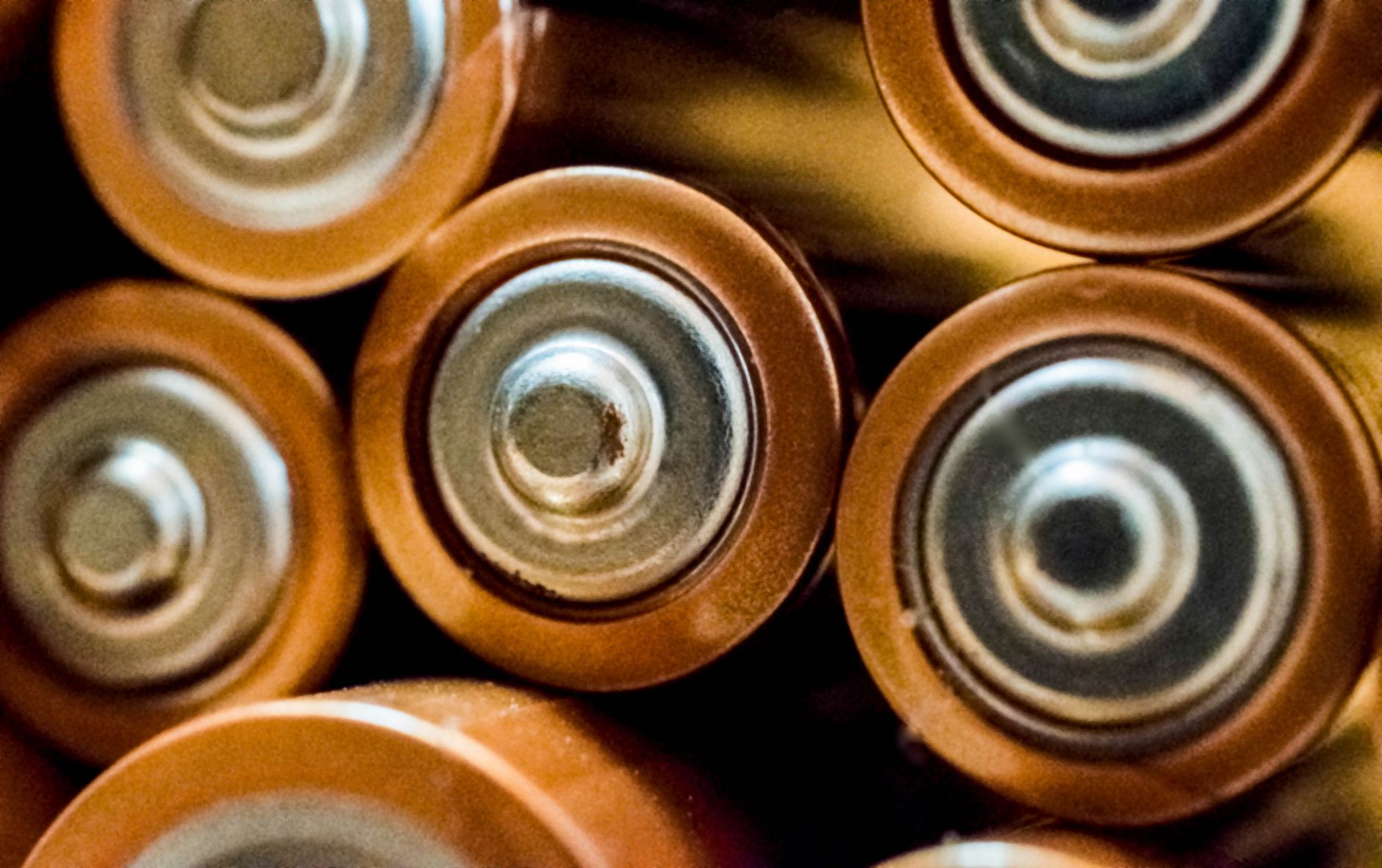
By 2033, Solid-state Batteries Become Standard In EVs.
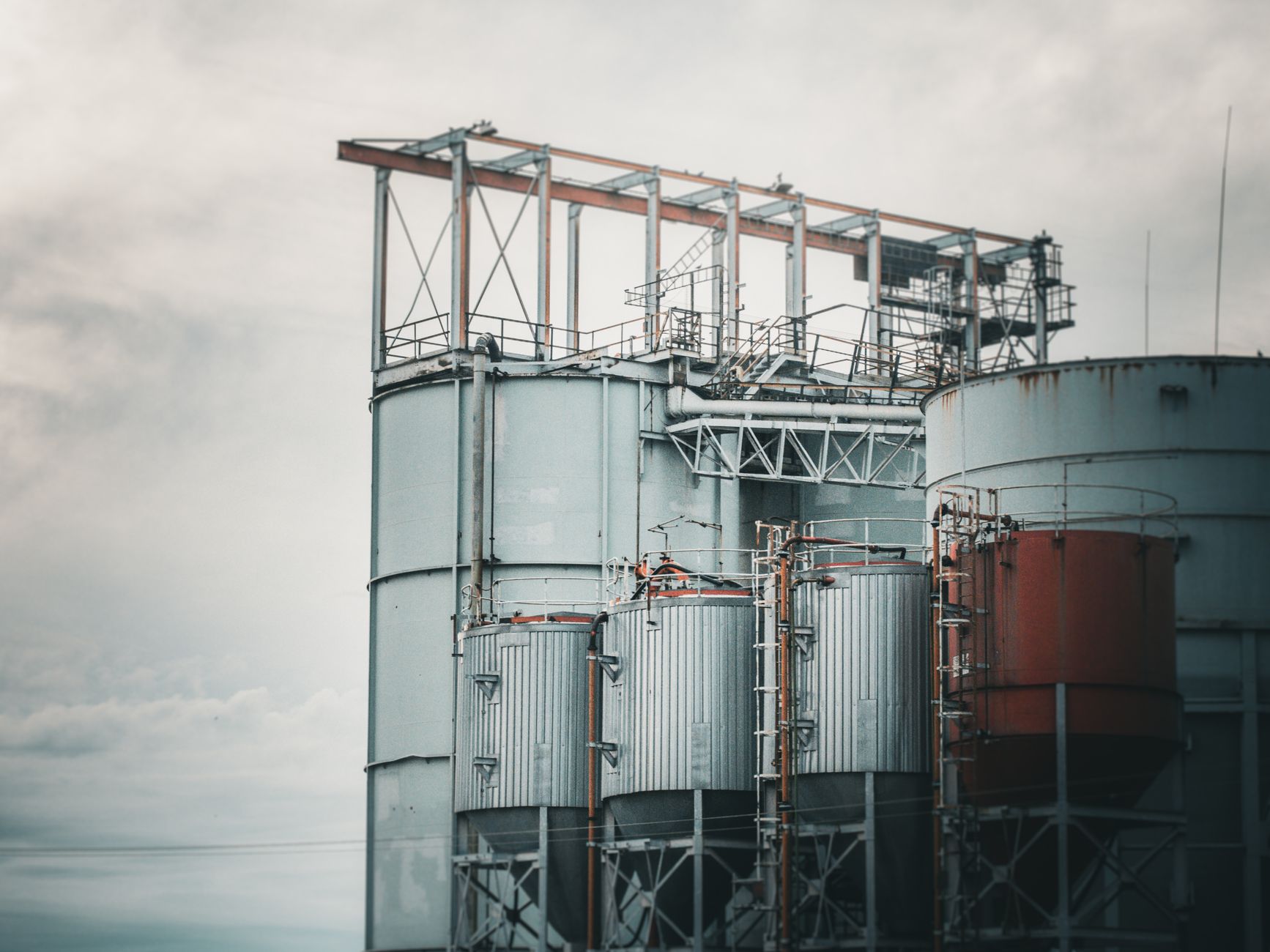
By 2035, Energy Storage Capacity Will Increase 10-Fold.
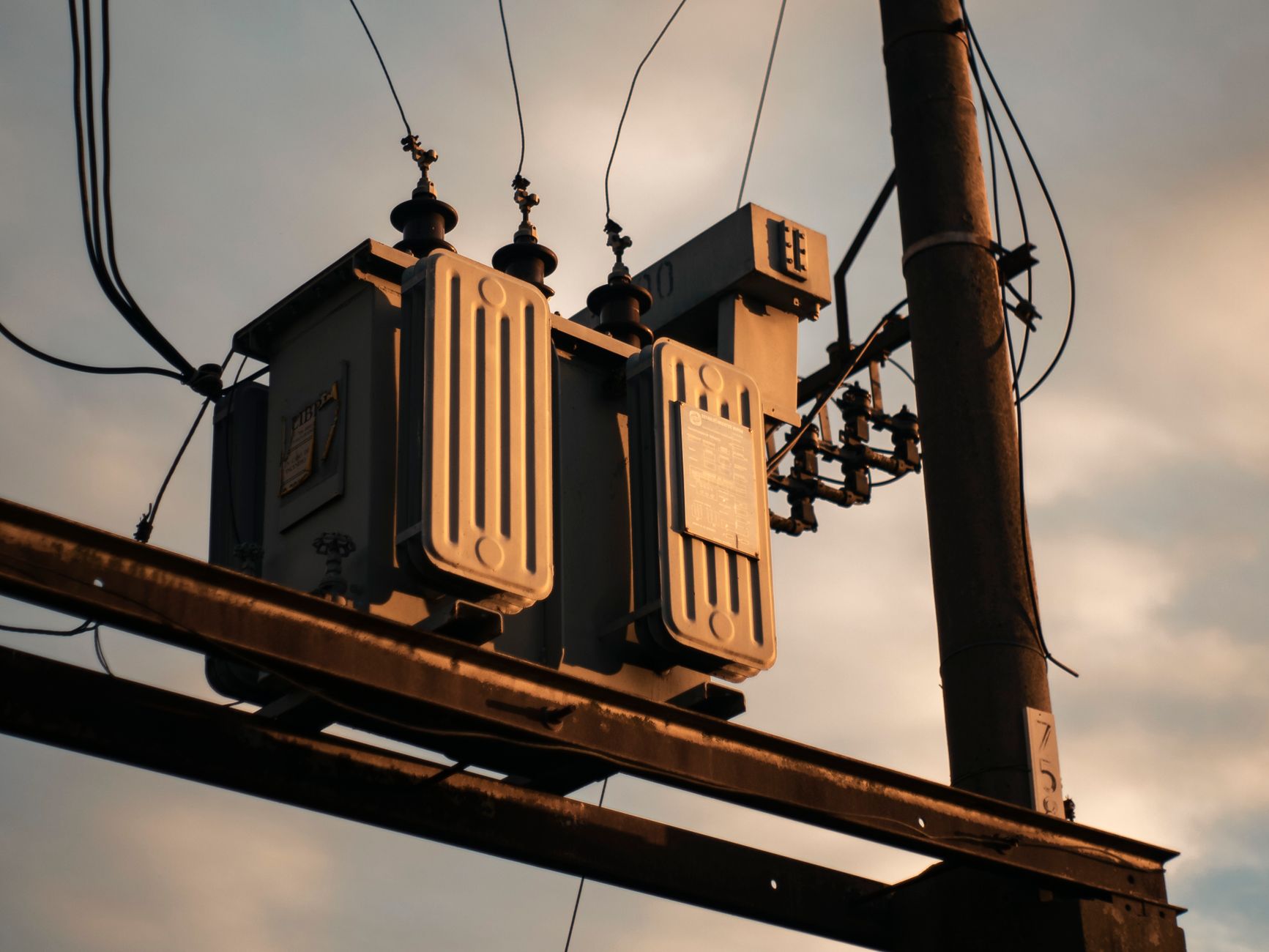
By 2035, Microgrid Systems Will Provide 50% Of Rural Electricity.
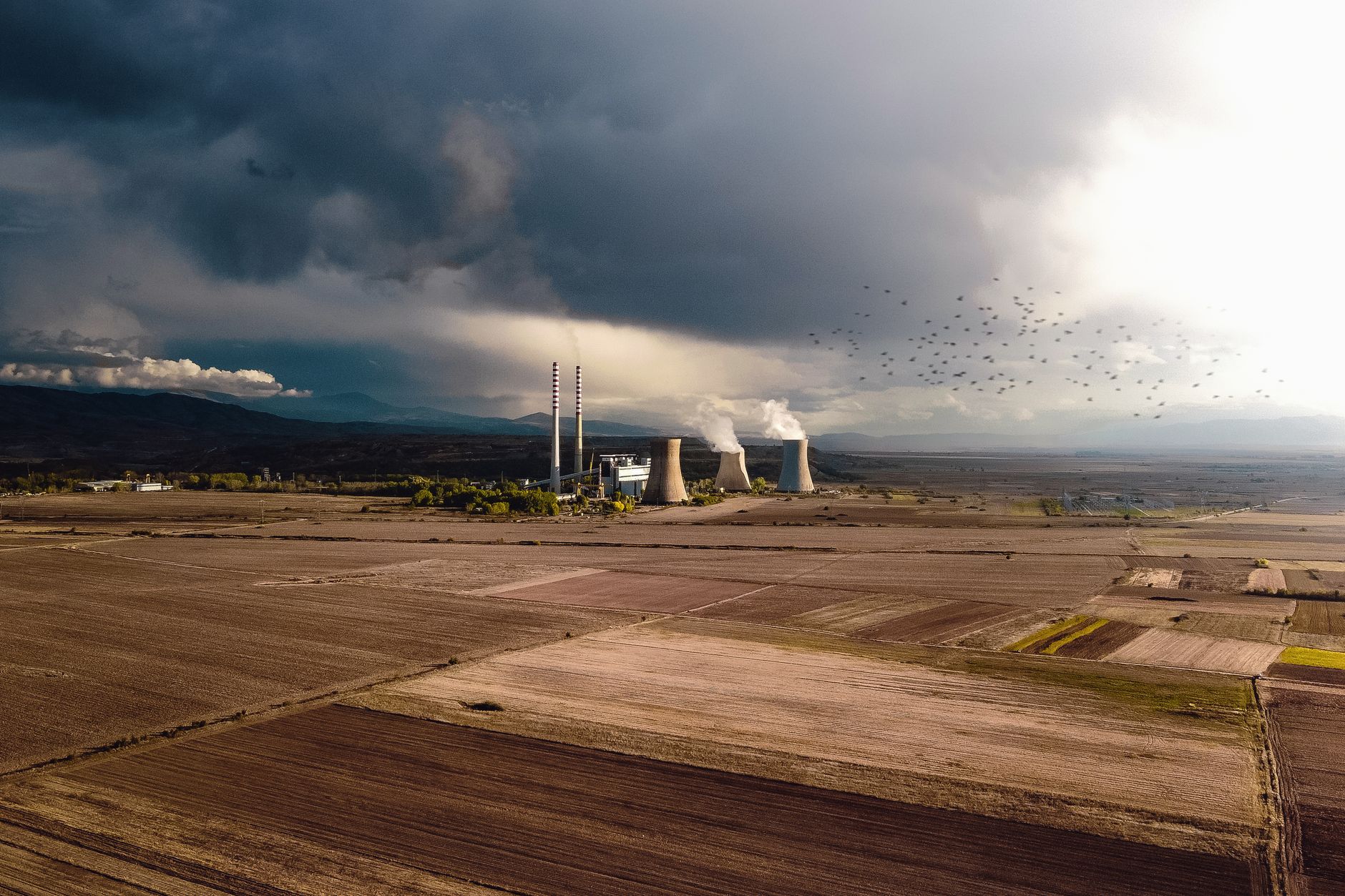
By 2035, The İnstalled Capacity Of Offshore Floating Solar Power Plants Will Exceed 25 GW.
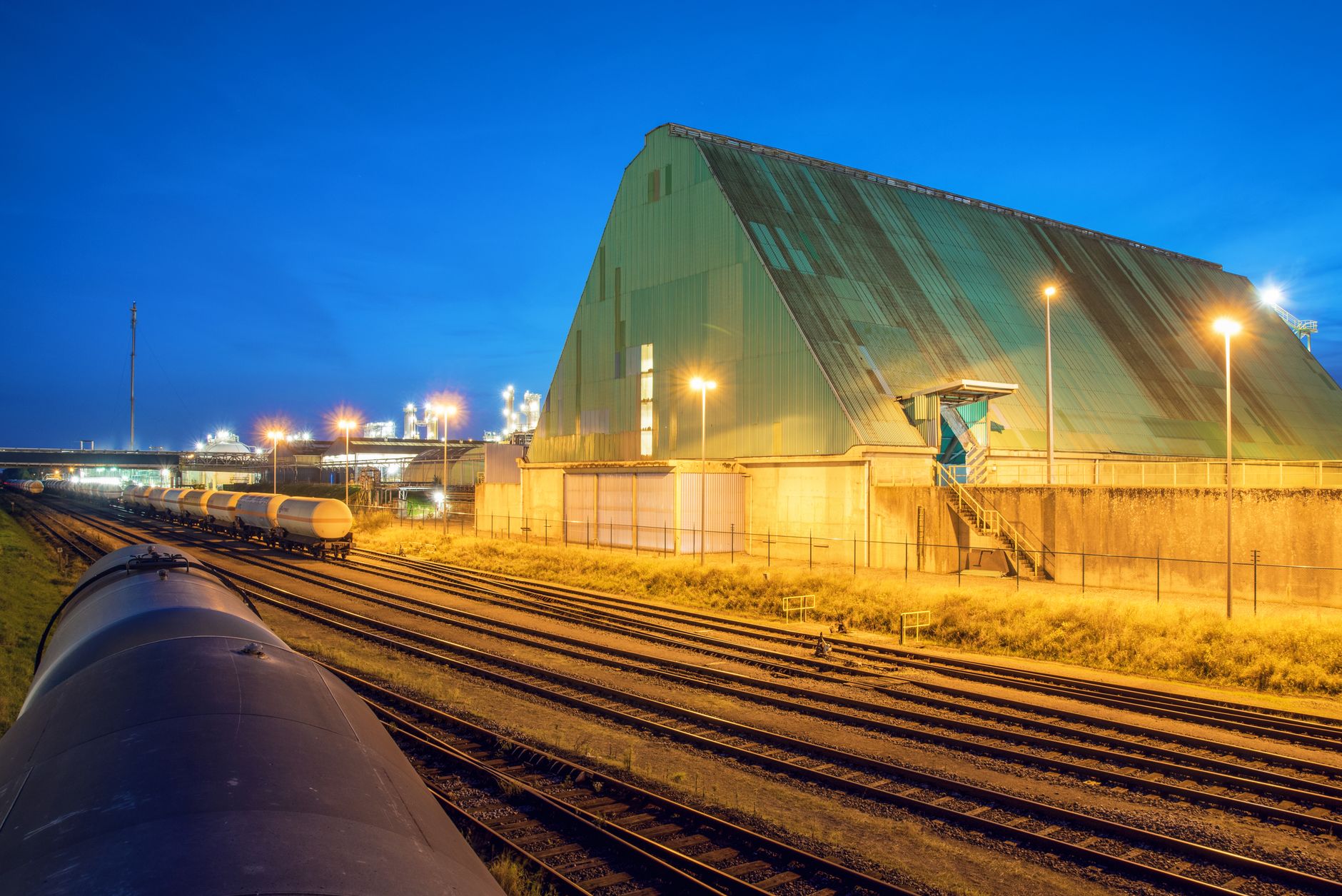
By 2037, Hydrogen Trains Will Operate On Commercial Lines.
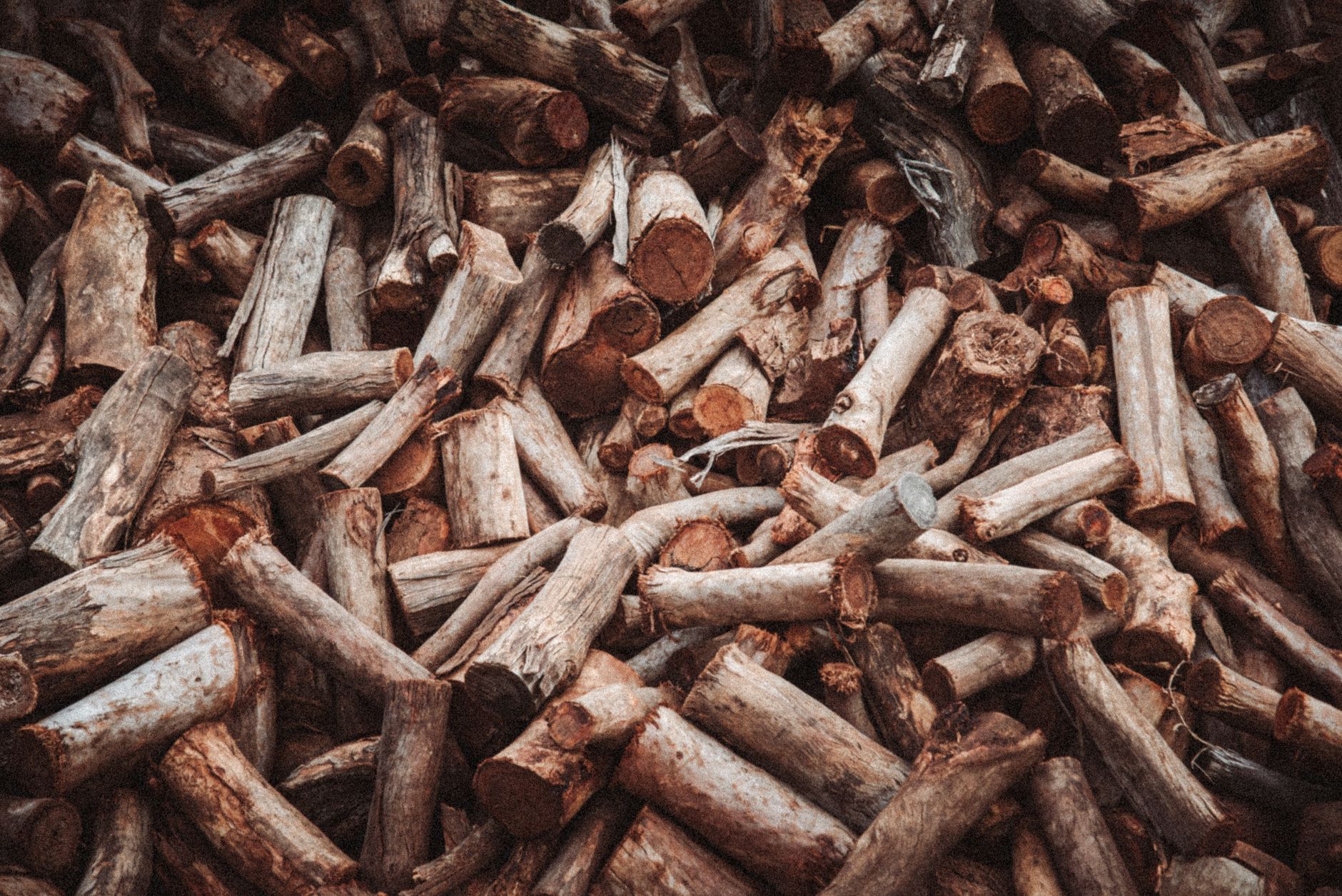
By 2037, Biomass Will Meet 15% Of Global Energy Demand.
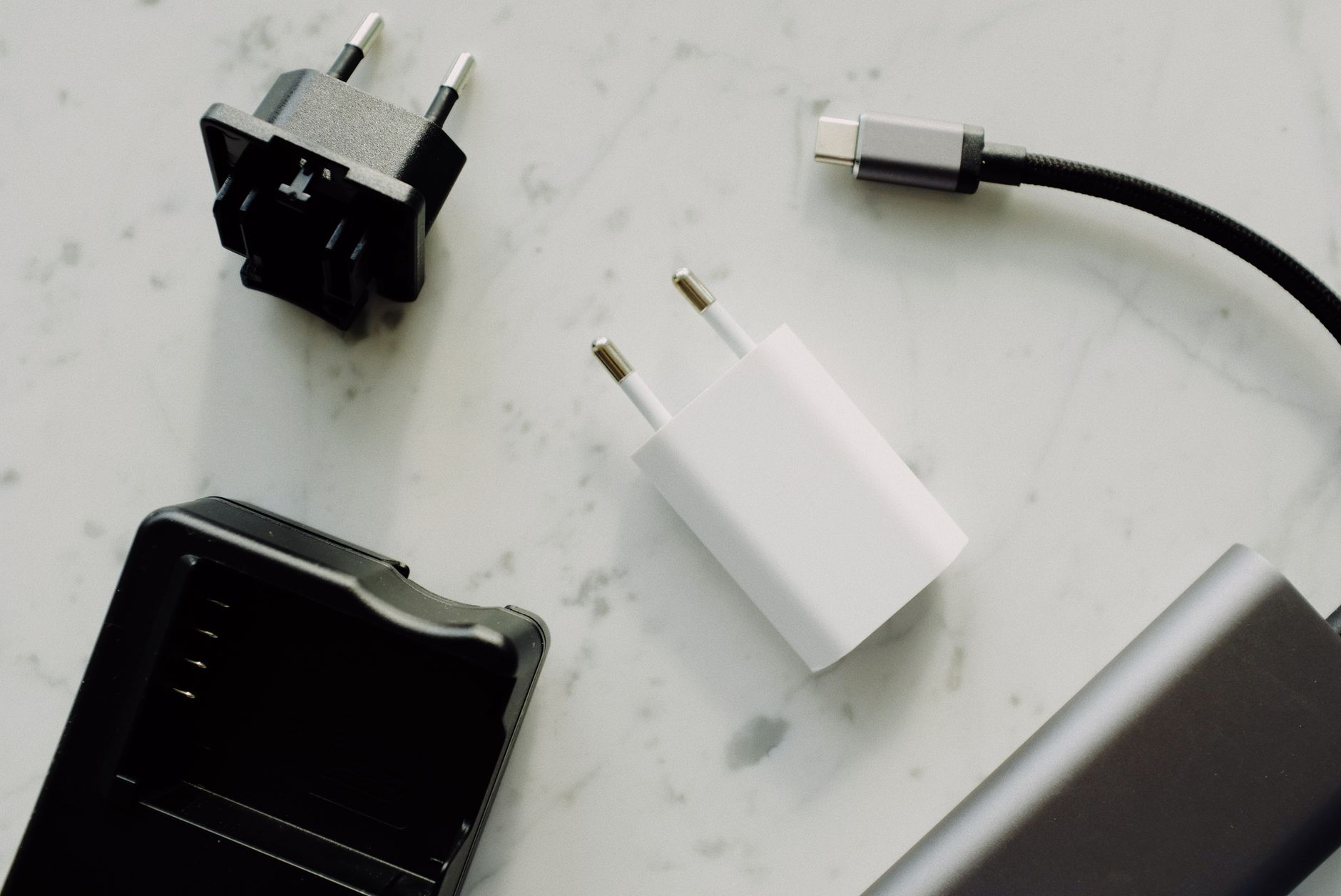
By 2037, Energy Harvesting Devices Will Widely Power IoT Devices.
By 2041, The Average Installed Cost Of Utility-scale Battery Storage Systems Worldwide Will Fall Below 100 Dollars Per KWh, Less Than Half Of The 2020 Level.

By 2044, The Market For Batteryless Electrical Energy Storage And Storage Elimination Technologies Will Reach An Annual Volume Of Approximately 230 Billion Dollars, Becoming One Of The…

By 2045, Hydrogen Production Via Artificial Photosynthesis Will Become Commercialized.
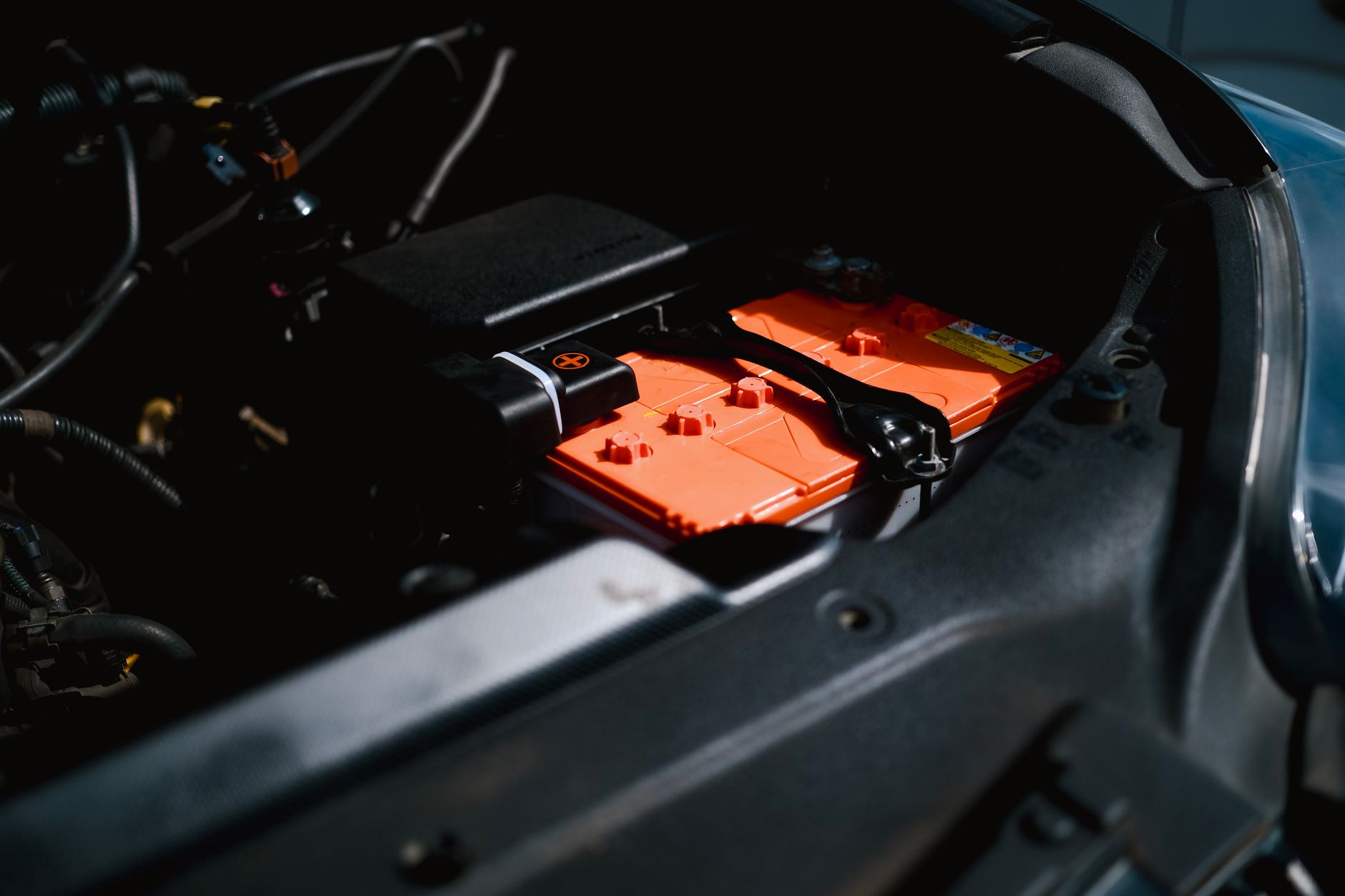
Solid-state Batteries Will Account For Over 80% Of The Global Battery Market, Replacing Lithium-ion Batteries.
By 2046, Global Installed Battery Energy Storage Capacity Will Have Grown At Least Twentyfold From Its 2026 Level, Becoming A Cornerstone Of Grid Flexibility.

By 2048, Fusion Energy Plants Worldwide Will Supply At Least 10 Percent Of Total Global Electricity Generation, And First Generation 1 GW Scale Commercial Fusion Reactors Will Be Regularly Delivering Grid Electricity.

Fusion Energy Will Begin Supplying Power To The Commercial Electricity Grid On A Regular Basis For The First Time.
By 2050, global nuclear power capacity reaches 950 GW(e), the IAEA high-case scenario.
By 2050, global electricity generation is at least 30% higher than in 2022.