
Longevity Predictions

25 sourced future predictions currently published in the Longevity category. Every prediction rests on a source, a criterion and a probability.

The First Efficacy Results From The TAME Trial Are Expected To Be Published Between 2027 And 2028, Providing The First Strong Signal On Whether Metformin Delays The First Onset Of…2027
Longevity

The First Efficacy Results From The TAME Trial Are Expected To Be Published Between 2027 And 2028, Providing The First Strong Signal On Whether Metformin Delays The First Onset Of…

Probability
55%
Evidence: Medium6 sources06 Sep 2026Read →
By 2027, Drugs That Regulate The Circadian Rhythm (Biological Clock) Are Expected To Be Developed.2027
Longevity

By 2027, Drugs That Regulate The Circadian Rhythm (Biological Clock) Are Expected To Be Developed.

Probability
40%
Evidence: Medium2 sources01 Oct 2026Read →
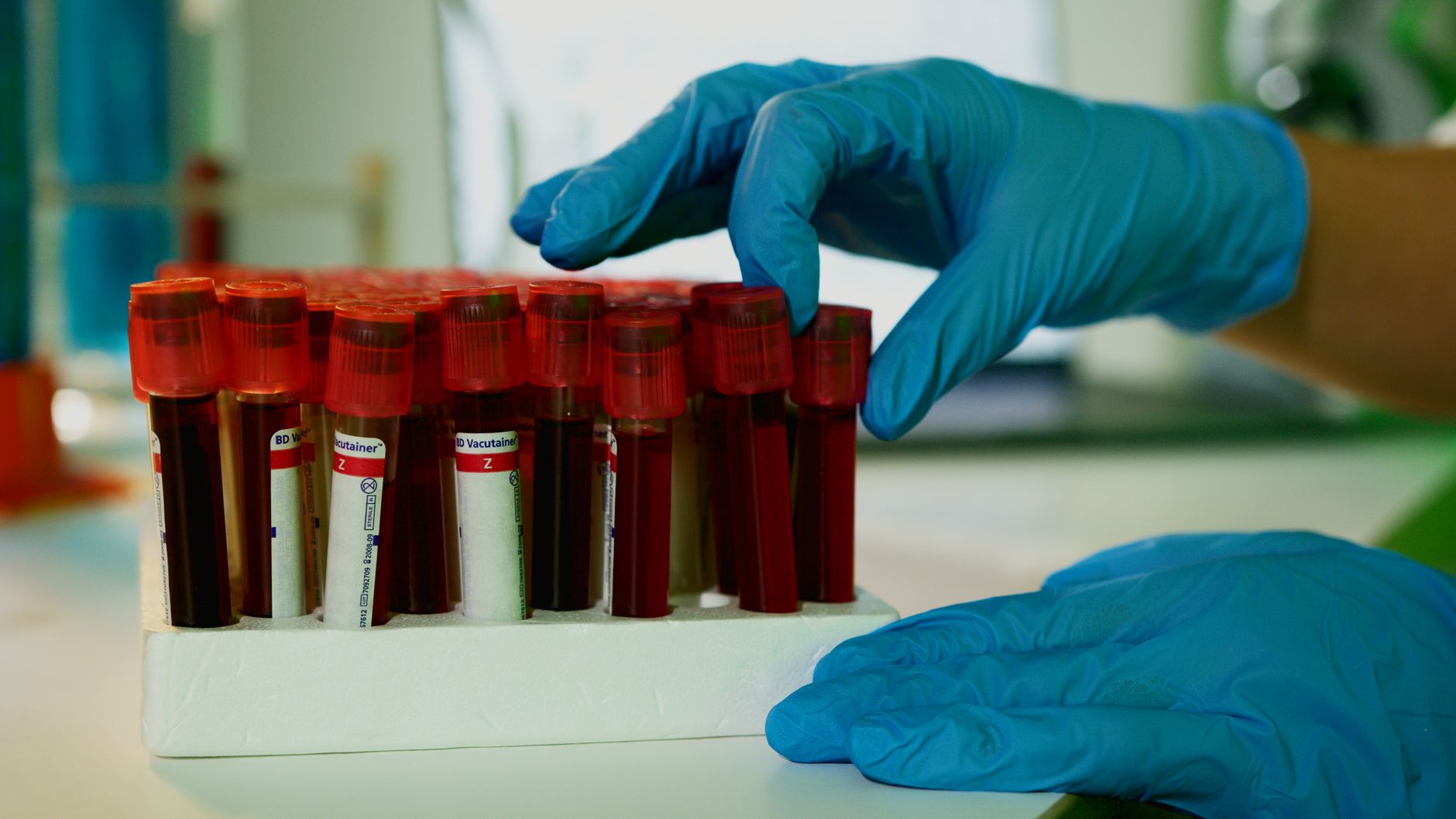
By 2027, Wearable Devices For Sleep Optimization Are Expected To Become Widespread.2027
Longevity

By 2027, Wearable Devices For Sleep Optimization Are Expected To Become Widespread.
Probability
65%
Evidence: Medium2 sources01 Oct 2026Read →
By 2027, Anti-aging Molecules (Senolytics) Are Expected To Show Promising Results In Clinical Trials.2027
Longevity

By 2027, Anti-aging Molecules (Senolytics) Are Expected To Show Promising Results In Clinical Trials.
Probability
50%
Evidence: Medium2 sources01 Oct 2026Read →
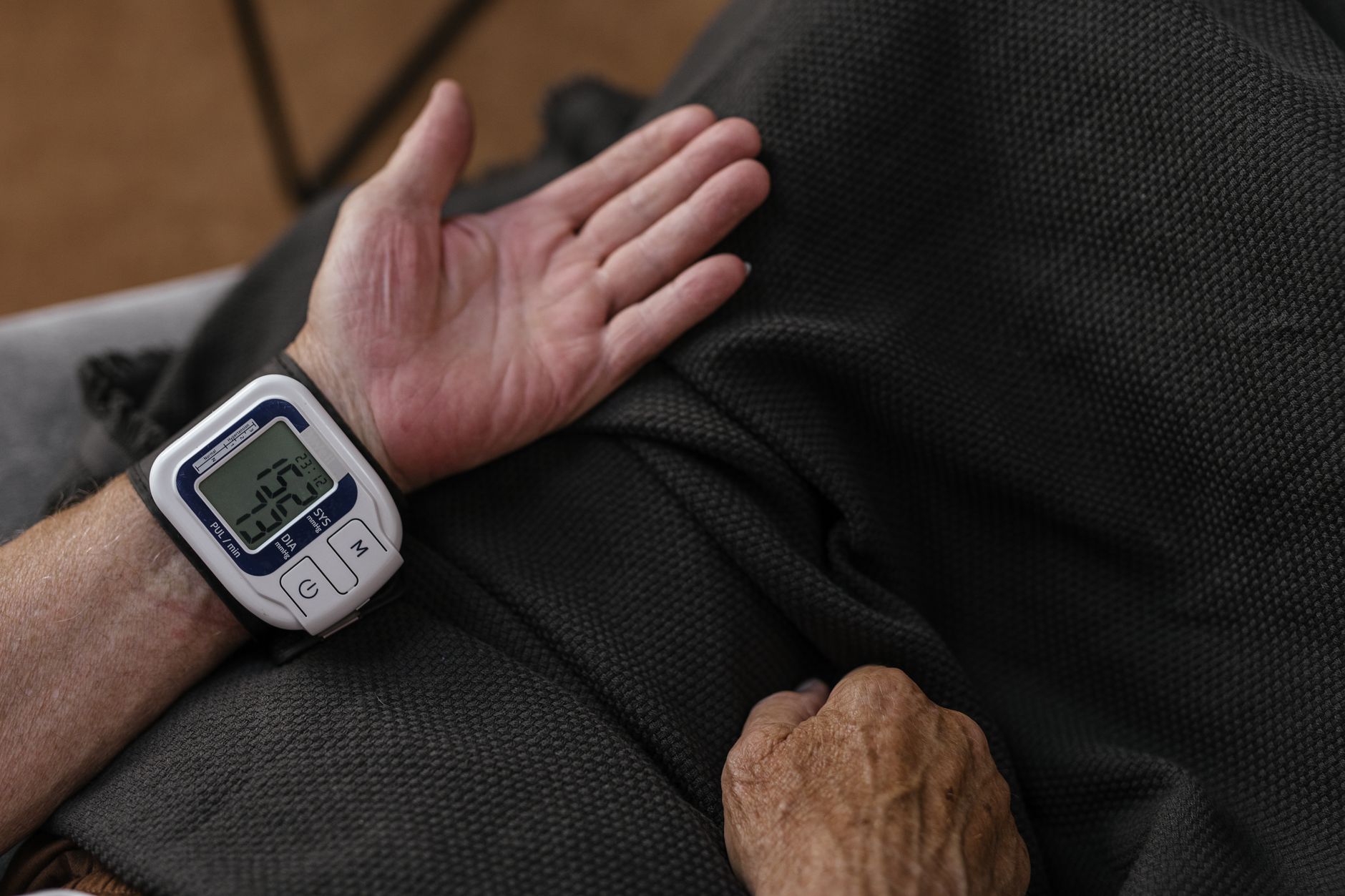
Sleep Tracking Devices Are Expected To Gain Independent Clinical Validation And Regulatory Clarity On Sleep-stage Accuracy By 2028, With Device Data From Millions Of Users Increasingly Integrated Into Primary Care Monitoring.2028
Longevity

Sleep Tracking Devices Are Expected To Gain Independent Clinical Validation And Regulatory Clarity On Sleep-stage Accuracy By 2028, With Device Data From Millions Of Users Increasingly Integrated Into Primary Care Monitoring.
Probability
62%
Evidence: Medium2 sources08 Oct 2026Read →
By 2028, Biological Age Measurement (Epigenetic Clock) Is Expected To Enter Routine Health Screening.2028
Longevity

By 2028, Biological Age Measurement (Epigenetic Clock) Is Expected To Enter Routine Health Screening.

Probability
40%
Evidence: Medium2 sources14 Oct 2026Read →
By 2028, Neuromodulation Devices That Improve Sleep Quality Are Expected To Become Commercial.2028
Longevity

By 2028, Neuromodulation Devices That Improve Sleep Quality Are Expected To Become Commercial.
Probability
35%
Evidence: Medium2 sources15 Oct 2026Read →
By 2028, Drugs That Slow The Aging Process Are Expected To Succeed In Clinical Trials.2028
Longevity

By 2028, Drugs That Slow The Aging Process Are Expected To Succeed In Clinical Trials.
Probability
30%
Evidence: Medium2 sources15 Oct 2026Read →
By The End Of 2028, Biological Age Measurement And AI-driven Target Discovery Will Become A Standard Component Of Preclinical Longevity Programs, Used In At Least 50% Of Such Programs.2028
Longevity

By The End Of 2028, Biological Age Measurement And AI-driven Target Discovery Will Become A Standard Component Of Preclinical Longevity Programs, Used In At Least 50% Of Such Programs.

Probability
72%
Evidence: Medium6 sources21 Oct 2026Read →
By 2029, Biological Age Measurement Is Expected To Start Being Used By Health Insurers.2029
Longevity

By 2029, Biological Age Measurement Is Expected To Start Being Used By Health Insurers.

Probability
25%
Evidence: Medium2 sources24 Oct 2026Read →
By 2029, Neuromodulation Devices For Sleep Optimization Are Expected To Become Standard.2029
Longevity

By 2029, Neuromodulation Devices For Sleep Optimization Are Expected To Become Standard.
Probability
20%
Evidence: Medium2 sources24 Oct 2026Read →
By 2029, Anti-aging Drugs Are Expected To Enter Clinical Use.2029
Longevity

By 2029, Anti-aging Drugs Are Expected To Enter Clinical Use.

Probability
15%
Evidence: Medium2 sources24 Oct 2026Read →
The First Senolytic Drug Is Expected To Gain Regulatory Approval For An Age-related Indication Or Reach Phase 3 By 2030, As More Than 30 Senolytic Clinical Trials Mature Into Results.2030
Longevity

The First Senolytic Drug Is Expected To Gain Regulatory Approval For An Age-related Indication Or Reach Phase 3 By 2030, As More Than 30 Senolytic Clinical Trials Mature Into Results.
Probability
55%
Evidence: Medium2 sources27 Oct 2026Read →
By 2030, Biological Age Measurement Is Expected To Become Mandatory For Health Insurers.2030
Longevity

By 2030, Biological Age Measurement Is Expected To Become Mandatory For Health Insurers.
Probability
12%
Evidence: Medium2 sources29 Oct 2026Read →
By 2030, Neuromodulation Devices For Sleep Optimization Are Expected To Become Widespread.2030
Longevity

By 2030, Neuromodulation Devices For Sleep Optimization Are Expected To Become Widespread.

Probability
12%
Evidence: Medium2 sources29 Oct 2026Read →
By 2030, Anti-aging Drugs Are Expected To Noticeably Extend Lifespan.2030
Longevity

By 2030, Anti-aging Drugs Are Expected To Noticeably Extend Lifespan.

Probability
8%
Evidence: Medium2 sources29 Oct 2026Read →
Interim Results From The First Large Human Trials Testing Whether GLP-1 Drugs (Such As Semaglutide) Slow Aging Are Expected By 2031, Clarifying Whether These Drugs, Which Extended…2031
Longevity

Interim Results From The First Large Human Trials Testing Whether GLP-1 Drugs (Such As Semaglutide) Slow Aging Are Expected By 2031, Clarifying Whether These Drugs, Which Extended…

Probability
68%
Evidence: Medium6 sources15 Sep 2026Read →
Epigenetic Aging Clocks (Such As DunedinPACE, PhenoAge, And GrimAge) Are Expected To Become An Accepted Biomarker Standard In Clinical Trials Aimed At Slowing Aging By 2031.2031
Longevity

Epigenetic Aging Clocks (Such As DunedinPACE, PhenoAge, And GrimAge) Are Expected To Become An Accepted Biomarker Standard In Clinical Trials Aimed At Slowing Aging By 2031.

Probability
50%
Evidence: Medium4 sources01 Nov 2026Read →
The Longevity Market Is Expected To Surpass $45 Billion And Epigenetic Aging Clocks Are Expected To Enter Routine Clinical Use As Biological Age Biomarkers In Primary Care By 2032.2032
Longevity

The Longevity Market Is Expected To Surpass $45 Billion And Epigenetic Aging Clocks Are Expected To Enter Routine Clinical Use As Biological Age Biomarkers In Primary Care By 2032.

Probability
78%
Evidence: Medium3 sources01 Nov 2026Read →
At Least One AI-discovered Drug Candidate Aimed At Extending Lifespan Is Expected To Enter Human Clinical Trials By 2034, With Tools Such As AlphaFold Compressing Drug Discovery Timelines From Years To Months.2034
Longevity

At Least One AI-discovered Drug Candidate Aimed At Extending Lifespan Is Expected To Enter Human Clinical Trials By 2034, With Tools Such As AlphaFold Compressing Drug Discovery Timelines From Years To Months.

Probability
60%
Evidence: Low6 sources15 Sep 2026Read →
Biological Age Measurement Becoming Mandatory For Health Insurers Is Expected Only With Low Probability.2035
Longevity

Biological Age Measurement Becoming Mandatory For Health Insurers Is Expected Only With Low Probability.
Probability
5%
Evidence: Low2 sources08 Nov 2026Read →
By 2035, Neuromodulation Devices For Sleep Optimization Are Expected To Become Widespread.2035
Longevity

By 2035, Neuromodulation Devices For Sleep Optimization Are Expected To Become Widespread.

Probability
5%
Evidence: Low2 sources08 Nov 2026Read →
By 2035, Anti-aging Drugs Dramatically Extending Lifespan Is Expected Only With Low Probability.2035
Longevity

By 2035, Anti-aging Drugs Dramatically Extending Lifespan Is Expected Only With Low Probability.

Probability
3%
Evidence: Low2 sources08 Nov 2026Read →
The First Human Safety Trial Of Partial Reprogramming Is Expected To Begin By 2036, Bringing An Approach That Extended Remaining Lifespan By 109 Percent In Mice To The Clinic While Controlling Tumorigenic Risk.2036
Longevity

The First Human Safety Trial Of Partial Reprogramming Is Expected To Begin By 2036, Bringing An Approach That Extended Remaining Lifespan By 109 Percent In Mice To The Clinic While Controlling Tumorigenic Risk.

Probability
55%
Evidence: Low3 sources16 Nov 2026Read →
2050
Longevity

By 2050, global life expectancy at birth exceeds 76 years.

Probability
85%
Evidence: High2 sources20 Nov 2026Read →

View the full prediction archive