
Health Predictions
37 sourced future predictions currently published in the Health category. Every prediction rests on a source, a criterion and a probability.

The First In Vivo CRISPR-Cas9 Gene Editing Therapy, Lonvoguran Ziclumeran (Lonvo-z), Is Expected To Receive US FDA Approval In 2027 For Hereditary Angioedema.

By 2027, AI-driven Drug Discovery Platforms Are Expected To Bring Their First Commercial Products To Market.

By 2027, Gene Therapies Are Expected To Gain Widespread Approval For Rare Diseases And Enter Clinical Use.

By 2027, Personalized MRNA Cancer Vaccines Are Expected To Show Promising Phase 3 Trial Results.

Moderna And Merck's Personalized MRNA Neoantigen Cancer Vaccine Intismeran Autogene (V940/mRNA-4157) Is Expected To Receive Its First Regulatory Approval In 2028 As Adjuvant Treatment For High-risk Melanoma.
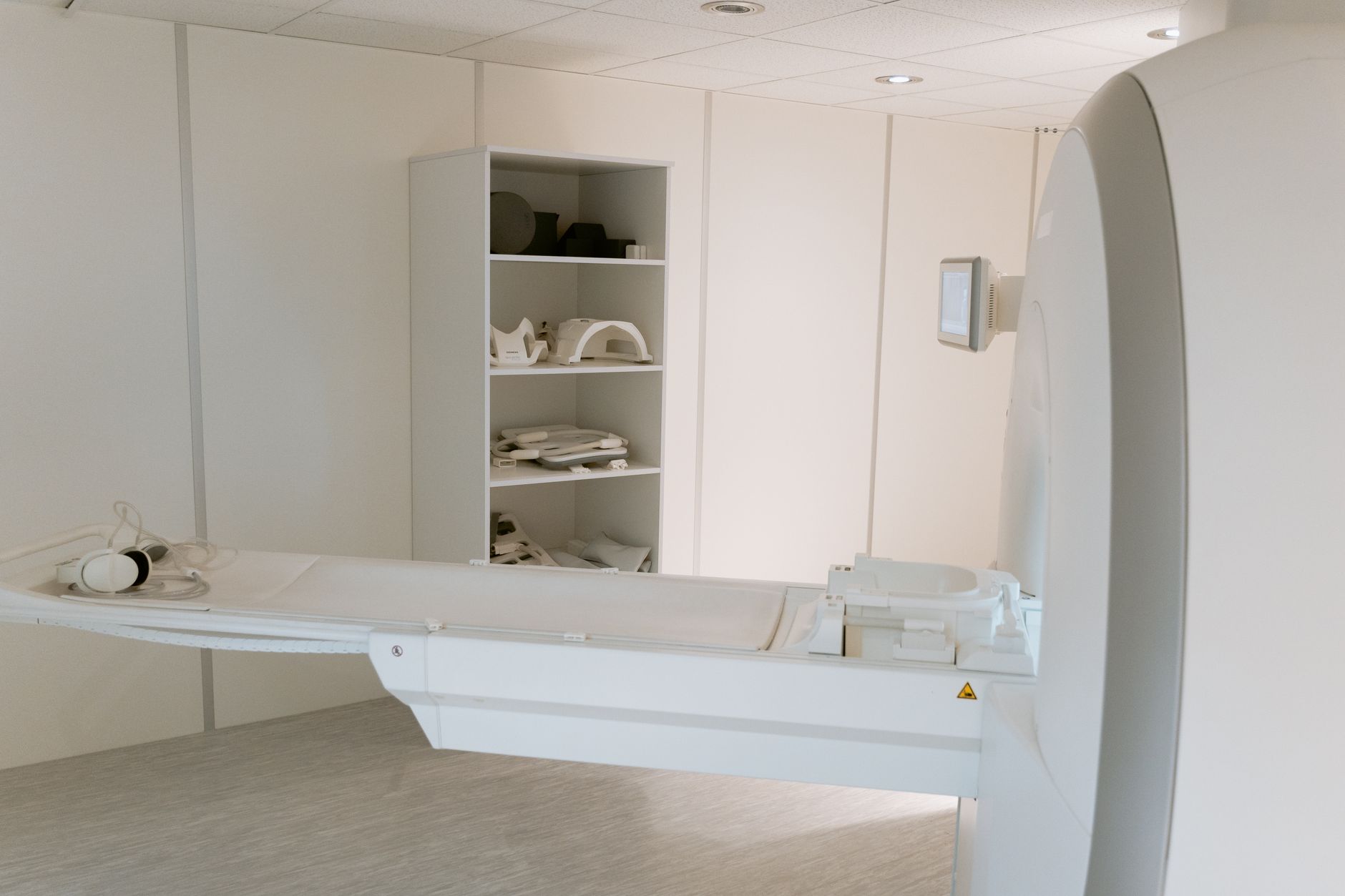
AI-assisted Diagnostic Systems Are Expected To Reach Clinician-level Accuracy In Radiology And Pathology.
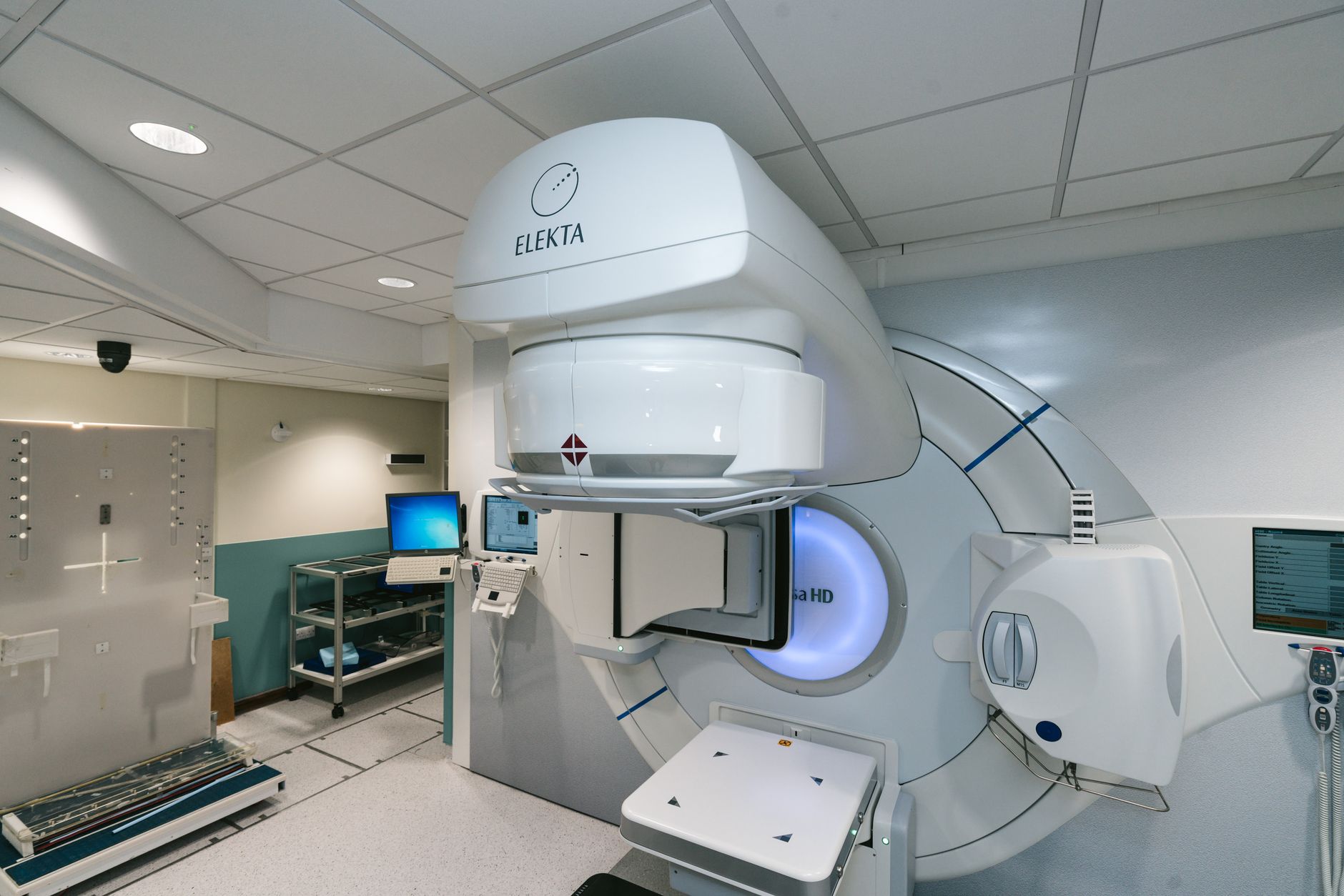
By 2028, Genomics-based Personalized Medicine Is Expected To Become Standard Of Care In Oncology.

By 2028, 3D Bioprinters Are Expected To Enter Clinical Use For Organ Transplantation.

By The End Of 2028, AI-powered Virtual Patient Systems In Healthcare Simulation Centers Will Become A Standard Component Of Medical Education In Turkey, With At Least 10 Medical Faculties İntegrating Them İnto Their Curricula.

The Personalized MRNA Cancer Vaccine From Moderna And Merck (Intismeran Combined With Keytruda) Will Receive Its First Approval From A Major Regulator (FDA Or EMA).
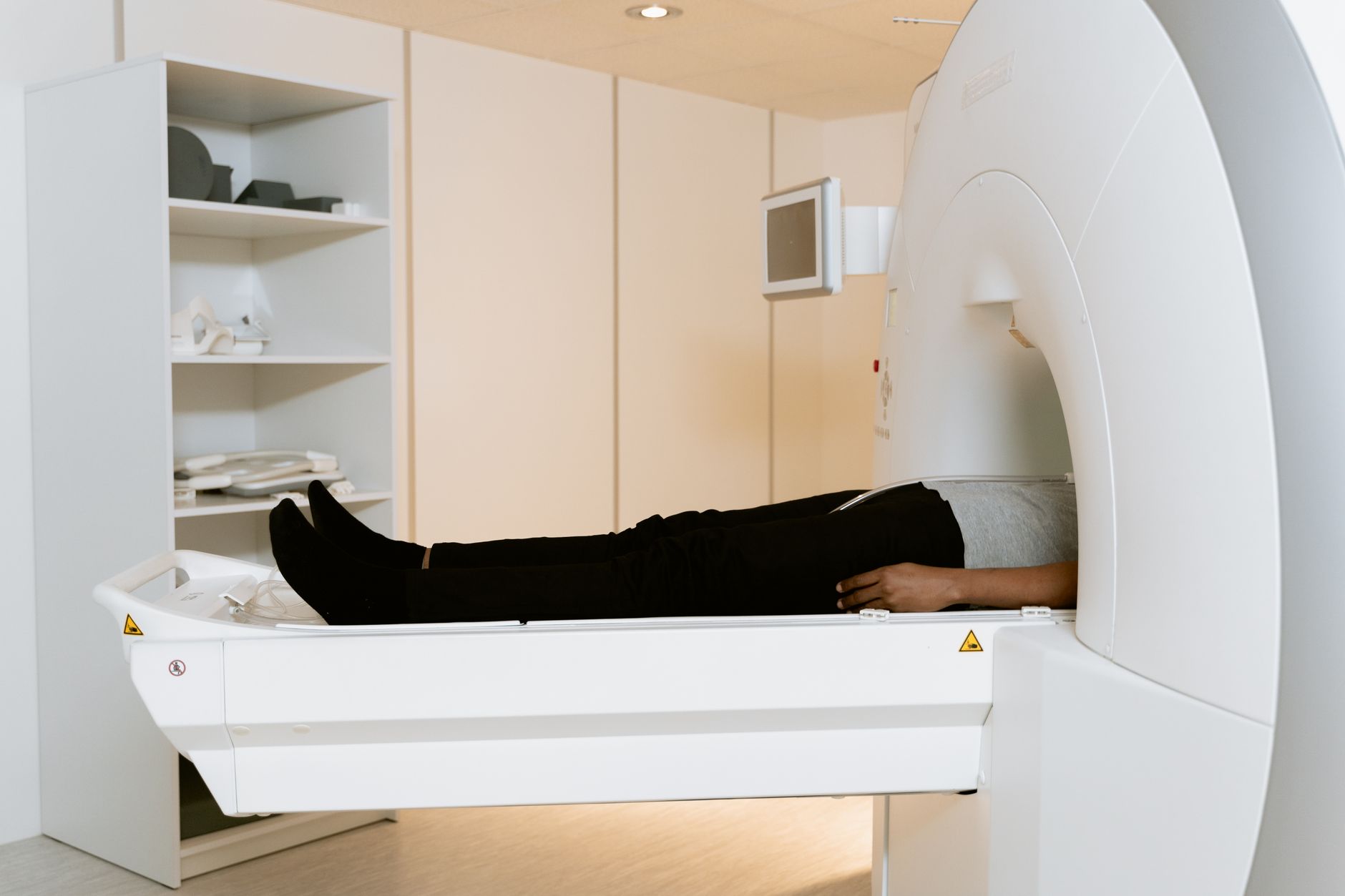
By 2029, AI Diagnostic Systems Are Expected To Surpass Clinician-level Accuracy Across All Medical Imaging.

By 2029, Bioprinters Are Expected To Be Able To Produce Fully Functional Organs.

Gene Therapies Are Expected To Start Being Used In Common Diseases Such As Cancer And Heart Disease.

A Genetically Edited Pig Kidney (Xenotransplant) Is Expected To Receive Its First Regulatory Approval By 2030 For End-stage Kidney Disease.

By 2030, AI Diagnostic Systems Are Expected To Surpass Clinician-level Accuracy Across All Medical Fields.

By 2030, Bioprinters Are Likely To Produce Fully Functional Organs And Eliminate Transplant Waitlists.

By 2030, Gene Therapies Are Likely To Reach A Level Where They Can Treat All Genetic Diseases.

The First Gene Therapy Developed With Base-editing Technology Will Receive Regulatory Approval For Sickle Cell Disease Or Beta Thalassemia.

By 2033, Continuous Glucose/cholesterol Monitoring With Biosensors Will Become Widespread.

By 2033, Widespread Adoption Of AI-assisted Mental Health Therapies.

By 2033, AI Use In Early Diagnosis Of Neurodegenerative Diseases Will Become Widespread.

Personalized MRNA Cancer Vaccines Will Gain Approval Or Enter Standard Adjuvant Care In At Least Two Cancer Types Beyond Melanoma (Lung And Pancreatic).
AI Diagnostic Systems Are Expected To Far Surpass Clinician-level Accuracy Across All Medical Fields.

Bioprinting Of Fully Functional Organs Ending Transplant Waitlists Is Expected Only With Low Probability.

Gene Therapies Becoming A Standard Capable Of Treating All Diseases Is Expected Only With Low Probability.
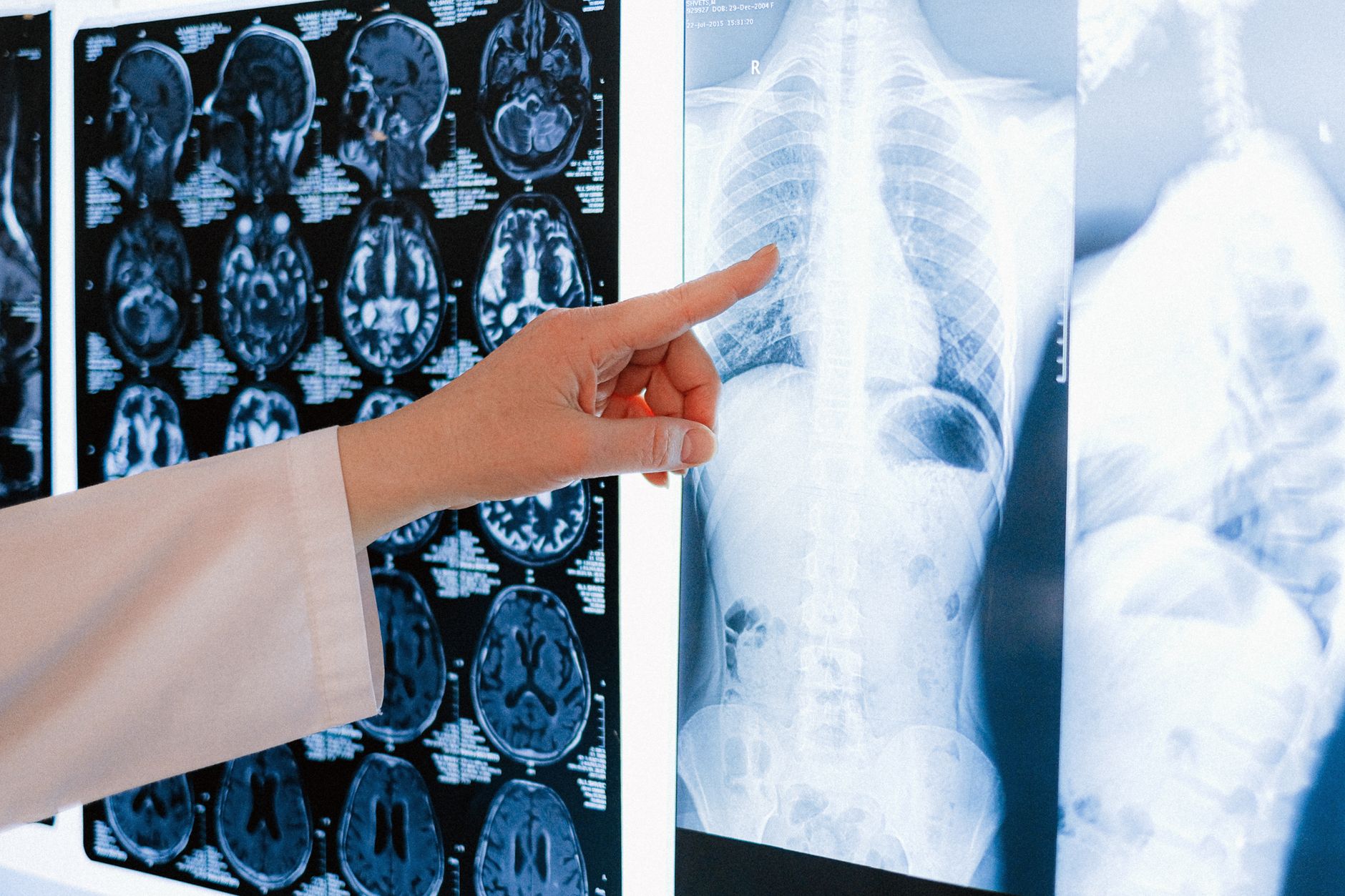
By 2035, AI-assisted Diagnostic Systems Reach Physician-level Performance Across All Medical Imaging.

By 2035, Whole-genome Sequencing Will Cost Under $100.
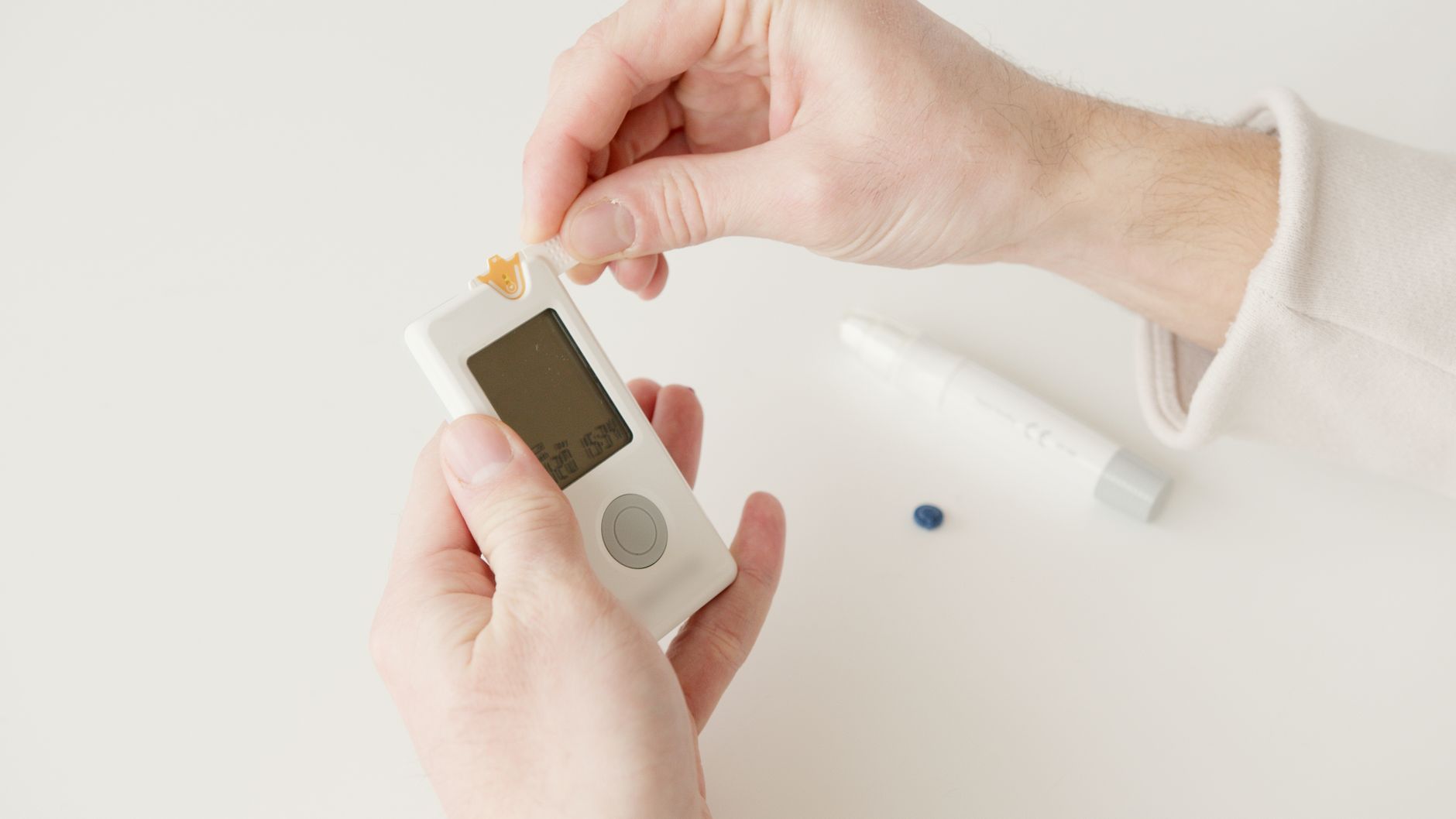
Aging Biomarkers Will Be Routinely Used In Standard Health Screenings By 2035.

By 2035, Telehealth Services Will Account For 40% Of All Healthcare Services.

An In Vivo CRISPR Gene-editing Therapy Is Approved For A Common Disease (E.g., Familial Hypercholesterolemia Or ATTR Amyloidosis).

By 2037, Remote Surgery Systems Will Be Used In 30% Of Surgical Procedures.

By 2037, Immunotherapies Become Standard Treatment For All Cancer Types.

By 2037, Widespread Adoption Of Microbiome-based Therapies.
By 2040, annual deaths associated with drug-resistant bacterial infections will not fall below 4.7 million.
By 2045, more than 600 million people will require rehabilitation for hearing loss.
By 2050, 853 million adults worldwide will be living with diabetes, meaning one in eight adults.
By 2050, the population aged 80 and over reaches 426 million, triple its 2020 level.