
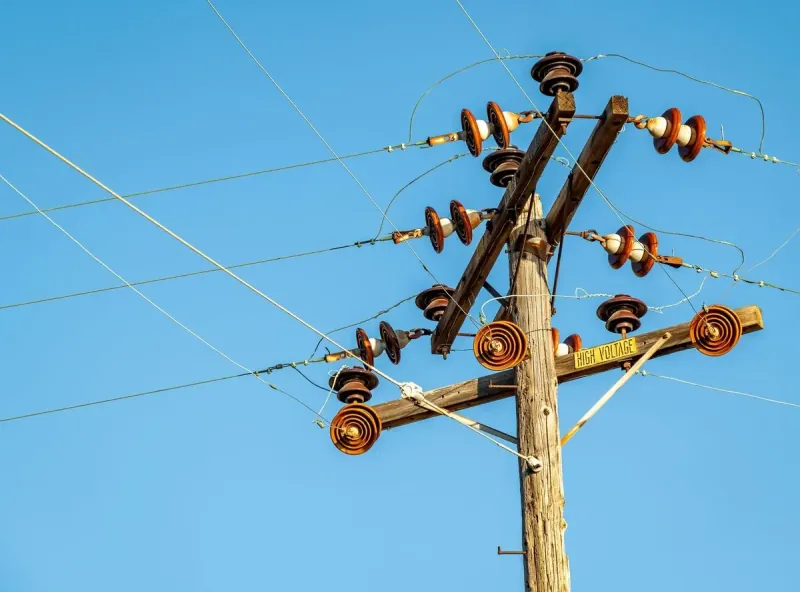
Smart Street Lighting Will Reduce Energy Consumption By 60%
9c31b16fb64ab729 · Resolution source: solarledlight.com · Solar Street Lighting System Design and CalculationSmart Street Lighting Will Reduce Energy Consumption By 60%
Smart Street Lighting Will Reduce Energy Consumption By 60% Probability: 90%. Confidence Level: Medium.
Smart Street Lighting Can Reduce Energy Consumption By 60 Percent?
Street lighting has always been a significant expense in city energy budgets. Traditional systems that operate continuously throughout the night increase maintenance costs and expand the carbon footprint. This situation necessitates a fundamental transformation in lighting infrastructure, one of the most tangible applications of the smart city vision. A forecast made with a target of 2032 predicts that integration of sensors and remote management could achieve a reduction of 60 percent in energy consumption.
Current Situation and the Role of LED Conversion
Currently, many metropolises still use high-pressure sodium vapor lamps. These lamps have low efficiency, and much of the light is wasted. However, over the past decade, the conversion to LEDs has gained momentum, with some cities having completed this transformation. The energy savings provided by LEDs alone can reach 50 percent levels. The real leap comes when LEDs are combined with sensors. Motion sensors can detect vehicle or pedestrian density on streets and roads, instantly reducing light levels; while remote management centers identify faults and optimize timing, preventing unnecessary burning. The combined use of these two technologies makes a saving of 60 percent compared to baseline consumption achievable from an engineering perspective.
Probability of Achieving This Target and Related Factors
The probability of achieving this target is directly linked to the speed of cities’ infrastructure renewal. Primarily, financing is the biggest obstacle, as sensor networks and central software platforms increase initial investment costs. Furthermore, the compatibility of existing poles and cable systems may slow down the conversion in some historic areas due to aesthetic concerns. However, rising energy prices worldwide and carbon-neutral targets are forcing municipalities to make this investment. Pilot applications in Europe and North America have shown that savings exceeding 60 percent are achieved in regions with increased sensor density. Therefore, the probability of capturing this rate by 2032 is assessed at 90 percent. However, this rate is expressed with moderate confidence due to the potential for not all cities to complete their conversion at the same pace.
The Future of Smart Lighting Systems and City Policies
Smart lighting is crucial infrastructure not only for energy savings but also for security and environmental management. Data collected through sensors can be integrated with other city systems, such as traffic density and air quality. This integration allows cities to manage their energy consumption more intelligently. To achieve the 2032 target, municipalities are expected to implement innovative financing models, such as energy performance contracts and public-private sector partnerships. Additionally, adaptive lighting solutions developed to protect existing buildings and historic districts will reduce obstacles to the conversion.
Frequently Asked Questions
Is A 60 Percent Energy Saving With Smart Street Lighting Realistic?
Yes, LED conversion alone provides a 50 percent saving, while sensor-based controls and remote management can push this rate above 60 percent. Savings exceeding this rate have been observed in pilot applications.
What Is The Biggest Obstacle To This Transformation?
Financing and infrastructure compatibility are the biggest obstacles. The initial investment cost is high; however, long-term energy and maintenance savings will cover this cost.
Which Cities Can Reach This Target Faster?
Cities with higher LED conversion rates, suitable climates and security conditions for sensor infrastructure, and which have adopted smart city policies can reach this target faster.
Related Predictions
- By 2031, The Global Smart City Market Will Exceed 700 Billion Dollars, Reaching Roughly Four Times Its 2025 Level. 2031 · City
- IoT Connections Will Reach 38.7 Billion 2030 · City
- Digital Twins Becoming Standard In All Major Infrastructure Projects 2030 · City
- The Smart Cities Market Will Reach $1.4 Trillion 2030 · City
- Smart Public Safety Systems Will Be The Fastest-growing Category. 2029 · City