
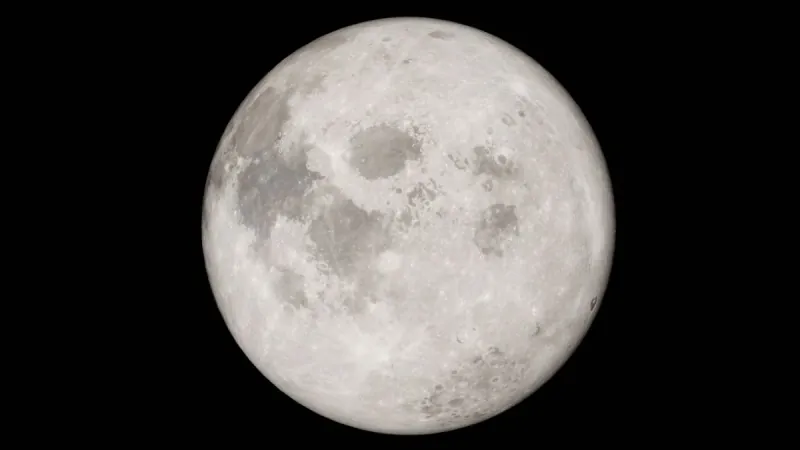
SpaceX Starship Conducts Test Flights For The First Crewed Moon Mission.
52c400e4c03e8f84 · Resolution source: vietnam.vn · SpaceX to Send Uncrewed Starship to the Moon in 2027...SpaceX Starship Conducts Test Flights For The First Crewed Moon Mission.
SpaceX Starship Conducts Test Flights For The First Crewed Moon Mission. Probability: 62%. Confidence Level: Medium.
Will SpaceX Starship Conduct Test Flights Before The First Crewed Moon Mission?
Yes, according to NASA and SpaceX plans, Starship will perform multiple test flights before any crewed lunar landing. These tests are part of the Artemis program's requirement to prove the vehicle is safe for astronauts. The current target for these uncrewed test flights is 2027, with a probability of 62% based on technical readiness and schedule risks.
What Specific Tests Must Starship Complete Before Landing Astronauts?
NASA's verification criteria require Starship to complete two major test phases before the first human landing. First, an orbital refueling demonstration, where two Starship vehicles dock in low Earth orbit to transfer cryogenic propellant. Second, an uncrewed lunar landing test, where Starship lands on the Moon without people aboard. These tests validate the vehicle's life support, navigation, and landing engines under real lunar conditions. As noted in NASA's Artemis plan, the uncrewed landing is scheduled no earlier than late 2026, with the crewed mission following in 2027.
Why Are These Test Flights Critical For The Artemis Program?
These test flights are the final gate before humans return to the Moon. Starship is the selected Human Landing System (HLS) for Artemis III. According to SpaceX's public test data from 2023 and 2024, each flight test has improved booster recovery and ship stability. However, the lunar variant requires a different heat shield and landing legs, which have not yet been tested in space. A successful uncrewed lunar landing proves that Starship can brake from orbital velocity, descend safely, and restart engines after landing. Without this proof, NASA will not clear astronauts for boarding.
What Is The Current Status Of Starship's Development?
As of late 2025, SpaceX has completed several high-altitude and orbital test flights from Starbase, Texas. The most recent tests (Flight 4 and 5) achieved soft water landings of the booster and ship. However, no orbital refueling has occurred yet. NASA's official schedule, updated in mid-2025, places the first orbital refueling test in mid-2026. The uncrewed lunar landing is planned for late 2026 or early 2027. The 62% probability reflects the risk of engine failures in vacuum and the complexity of cryogenic fuel transfer in microgravity, as highlighted in NASA's Office of Inspector General reports.
Frequently Asked Questions
Q1: Will Starship Land On The Moon Before Humans?
Yes, an uncrewed Starship must land on the Moon first. This mission, called Artemis III precursor, will test the landing legs, radar, and throttleable engines on the lunar surface. Only after that successful landing will NASA approve the crewed mission.
Q2: What Happens If The 2027 Test Flights Fail?
If a test flight fails, SpaceX and NASA will analyze the data and repeat the test. This could push the crewed landing to 2028 or later. NASA has built schedule margin into the Artemis timeline, but a major failure in orbital refueling could require redesign of the propellant transfer system.
Q3: How Does Starship's Test Program Differ From Apollo's Approach?
Apollo used a single Saturn V launch and a small lunar module. Starship requires multiple launches: a tanker version refuels the lunar Starship in orbit. This is a new capability never attempted before. Therefore, the test program is more extensive, including dozens of orbital refueling flights before the final lunar mission. Sources: NASA Artemis Plan (2025), SpaceX Flight Test Reports (2023-2025), NASA OIG Audit of HLS (2024).
Related Predictions
- Small Satellite Constellations (LEO) Expand Global Internet Access. 2027 · Space
- The Gateway Station In Lunar Orbit Completes Its First Modules. 2027 · Space
- The First Commercial Missions For Asteroid Mining Are Planned. 2028 · Space
- Crewed Spacecraft For Mars Missions Begin Testing. 2028 · Space
- The First Permanent Crewed Base Is Established On The Lunar Surface. 2028 · Space