
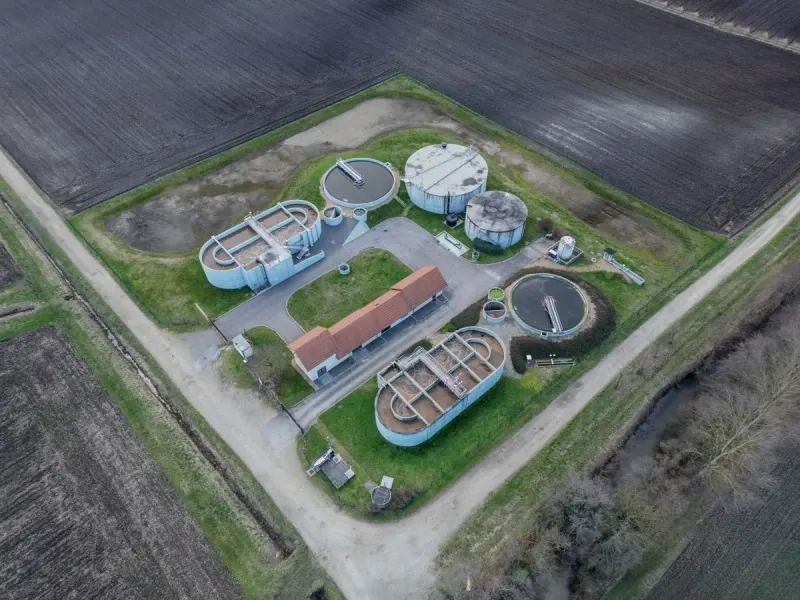
By 2037, Underground Water Storage Systems Becoming Standard In Arid Regions.
4a1b11ee6b16c65c · Resolution source: izmir.bel.trPrediction Details
By 2037, Underground Water Storage Systems Becoming Standard In Arid Regions. Probability: 55%. Confidence Level: Medium.
Subsurface Water Storage Systems To Become Standard In Arid Regions?
Climate change is increasingly making global water cycles unpredictable. Specifically, arid and semi-arid regions are emerging as the areas bearing the heaviest burden due to declining surface water resources and rising evaporation rates. Traditional methods like dams and surface reservoirs are losing their sustainability due to high evaporation losses and land use pressures. Therefore, the idea of storing water underground in natural or artificial aquifers is evolving from a mere engineering alternative into a strategic necessity. Will subsurface water storage systems (SWS) become a standard component in new infrastructure projects for arid regions by 2037?
What Is The Current Status Of Subsurface Water Storage Systems?
Currently, SWS applications worldwide are typically implemented as pilot projects or tailored solutions for specific conditions. Particularly in Australia, Israel, and Western United States states, controlled injection (ASR - Aquifer Storage and Recovery) into aquifers during periods of high surface water availability has been successfully applied. However, these implementations are often localized projects supporting existing potable water networks. Integrated systems involving rainwater harvesting feeding into underground storage or using treated wastewater for aquifer replenishment are not yet widely linked to statutory requirements. Water authorities largely continue to operate with a surface water-focused planning approach, viewing groundwater primarily as a resource to be extracted.
What Are The Key Factors Driving Standardization By 2037?
The potential for this prediction to materialize is high, given that climate models indicate an even more erratic rainfall regime in arid regions. Water scarcity pressures will accelerate technological maturation and reduce costs. Furthermore, underground storage virtually eliminates evaporation losses and optimizes land use, making it attractive. Regulatory barriers can be overcome over time as the principle of sustainability gains greater prominence in water management. However, factors limiting full standardization by 2037 would likely be cost and regulatory compliance processes. Nevertheless, in regions with high water stress, widespread or mandatory use of SWS is expected in many new water infrastructure projects.
What Advantages Does Subsurface Storage Offer?
SWS offers numerous advantages compared to surface storage: it prevents evaporation losses, stores seasonal water surpluses for use during dry periods, improves water quality through natural filtration, and causes less damage to ecosystems. Additionally, it reduces land use in urban areas and enhances the resilience of water infrastructure against climate change. These features are positioning SWS as an indispensable solution for arid regions.
Frequently Asked Questions
How Do Subsurface Water Storage Systems Work?
Subsurface water storage systems operate by injecting surplus surface water or treated wastewater into aquifers under controlled conditions (e.g., during rainy seasons) or allowing natural infiltration, storing the water in porous rock formations or voids beneath the soil, and then extracting it through wells when needed. This method minimizes evaporation losses and ensures long-term water storage.
Why Is Subsurface Storage Important In Arid Regions?
In arid regions, surface water resources are limited and evaporation rates are high. Traditional dams lose a significant portion of their water to evaporation. Subsurface storage protects water underground, virtually eliminating losses and making it available for use during dry periods. This enhances water security and builds resilience against the impacts of climate change.
What Is The Probability Of These Systems Becoming Standardized By 2037?
According to estimates, the probability of subsurface storage systems being mandatory or widely used in most new water infrastructure projects in arid regions by 2037 is approximately 55 percent. This probability could increase with technological maturation, falling costs, and rising climate change pressures; however, regulatory barriers and high initial investment costs may limit full standardization.
Related Predictions
- By 2037, Acoustic Metamaterials Will Be Widely Used As Noise Shields. 2037 · City
- By 2037, The First Examples Of Skyscrapers Built With 3D Printing Will Be Completed. 2037 · City
- By 2036, Air-filtering Building Facades Will Become Widespread. 2036 · City
- Vertical Farms Will Be Integrated Into Skyscrapers By 2036. 2036 · City
- By 2036, Testing Of Self-healing Roads On Highways. 2036 · City