
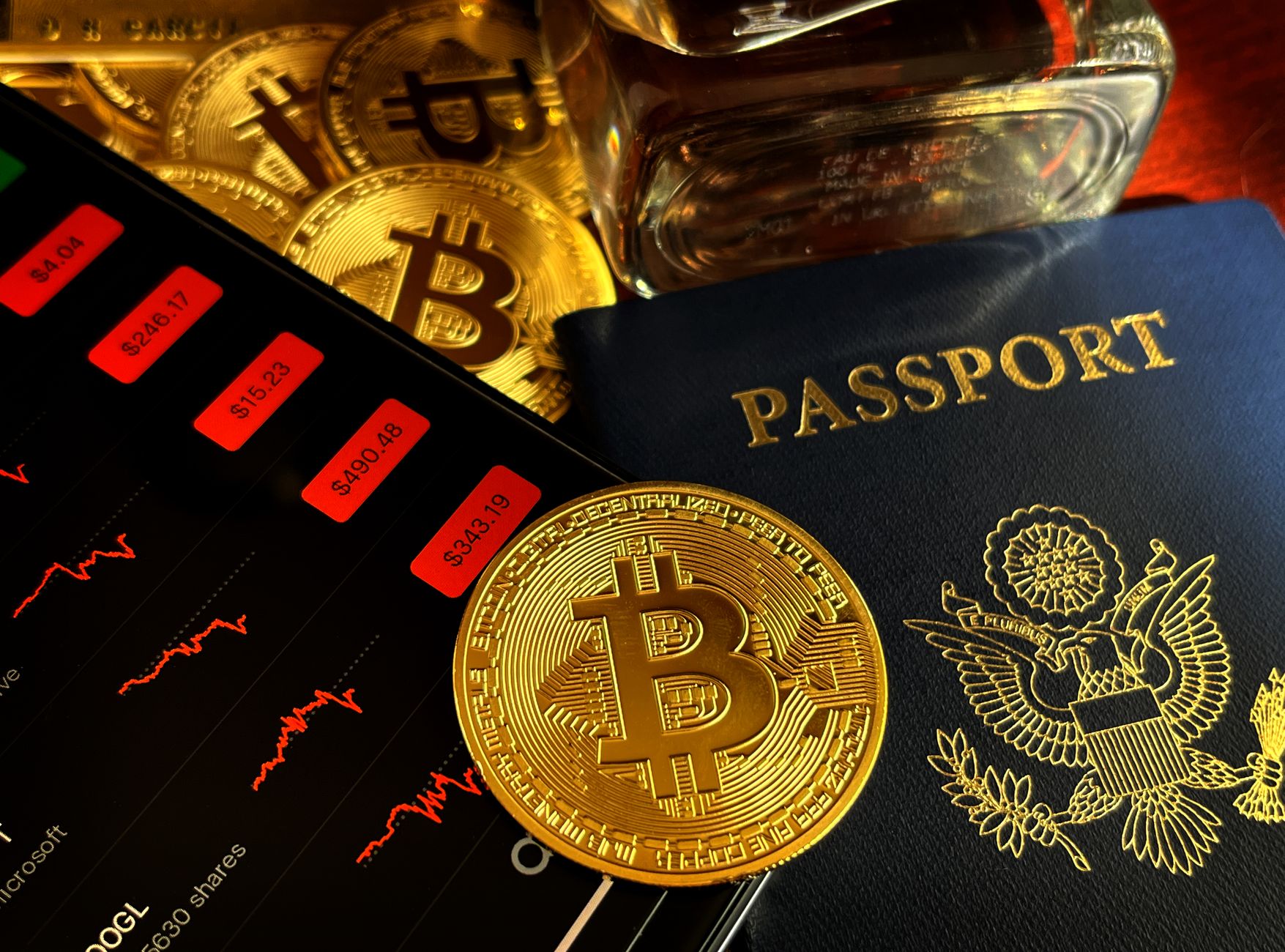
By 2038, Widespread Adoption Of Blockchain-based Digital Passports.
84c65e2a66ea927e · Resolution source: tr.linkedin.com · Digital Identity with Blockchain: Future SecurityPrediction Details
By 2038, Widespread Adoption Of Blockchain-based Digital Passports. Probability: 75%. Confidence Level: Medium.
Blockchain-Based Digital Passports - Will They Become Reality By 2038?
The technology world is rapidly advancing in digital identity solutions, yet the passport - a cornerstone of international travel - remains largely physical and paper-based. Can blockchain technology’s inherent decentralization and immutability revolutionize border security? This forecast for 2038 suggests that widespread acceptance of digital passports will occur in international travel, with daily usage reaching a critical threshold.
Why Current Digital Identity Systems Are Not Sufficient
ICAO standards rely on machine-readable travel documents. Countries are gradually implementing facial recognition and biometric verification systems at border checkpoints, but these systems often depend on centralized databases. The European Union’s ‘Digital Identity Wallet’ (EUDI) project and pilot programs in some countries represent significant steps towards transporting identity information digitally. However, a common thread among these initiatives is their continued reliance on national authorities' centralized validation mechanisms and the lack of interoperability at an international level. Different countries’ technological infrastructure and data protection laws hinder the formation of a global standard.
What Barriers Stand In The Way Of Blockchain Passports?
The realization of this forecast hinges on two key factors: technological maturity and political consensus. Blockchain makes it virtually impossible to manipulate data, while supporting self-sovereign identity (SSI) models that allow individuals to control their own data. This could create a powerful shield against global security threats such as fake passports and identity theft. However, international standardization and infrastructure alignment are unlikely to be completed before 2035. Differing national sovereignty concerns, inconsistencies in data sharing protocols, and legal regulations impede the establishment of a global system.
What Will Change By 2038 - Estimated At 75 Percent?
An estimated 30 international travel countries will accept blockchain-based digital passport systems, with widespread usage rates exceeding 50 percent daily. This would mean that paper passport checks at border checkpoints will be replaced by digital verification. Blockchain-based systems would securely store your travel history, visa status, and biometric data in encrypted and unchangeable form, minimizing long queues and manual inspection processes at airports.
Which Countries And Organizations Are Playing A Leading Role?
ICAO’s work on digital travel documents and the European Digital Identity Wallet project are key building blocks of this transformation. Estonia, among other digitally-focused countries, is gaining experience with blockchain-based e-residency applications. The experiences of these countries will accelerate the transition for others by 2038. Specifically, the creation of a common digital passport standard in high-traffic regions like the Schengen Area could trigger global acceptance.
What Security And Privacy Advantages Do Blockchain Passports Offer?
Traditional passports always carry a risk of forgery. Blockchain, by storing data on distributed ledgers, prevents attacks from a single point. Furthermore, individuals can decide which information they share with whom. For example, a border officer would only see the information needed for identity verification, not your entire travel history. This aligns with the principle of data minimization and prevents privacy breaches.
Frequently Asked Questions
What Is The Fundamental Difference Between A Blockchain-based Digital Passport And A Physical Passport?
A physical passport contains printed information on paper and a chip. A blockchain-based digital passport stores your identity information encrypted on the blockchain, which is verified at border crossings using a QR code or NFC. While a physical passport carries the risk of loss or theft, your digital passport wallet holds your encrypted information and can be remotely deactivated.
What Technological Developments Are Needed For The Widespread Adoption Of Blockchain Passports In 2038?
First, an internationally accepted identity standard (e.g., ICAO’s DTC) must be established. Additionally, countries need to integrate their border control systems with the blockchain network and harmonize data sharing protocols. 5G and high-speed internet infrastructure are crucial for instant verification at border crossings.
How Does Blockchain Affect Data Privacy?
Blockchain offers greater privacy than centralized databases. Your data is stored in encrypted form across a distributed network, rather than within a single institution. The self-sovereign identity (SSI) model allows you to decide who has access to your information. For example, when entering a country, you could share only your passport number while keeping your birthdate private - a significant privacy advantage over current systems.
Related Predictions
- By 2038, Digital Identity Theft Will Decrease By 80%. 2038 · Security
- By 2037, Widespread Adoption Of Digital Legacy Management Systems. 2037 · Security
- By 2037, Biometric Data Will Be Widely Stored On Blockchain. 2037 · Security
- By 2039, There Is A 60% Probability That Quantum Computers Will Break RSA-2048. 2039 · Security
- By 2037, Quantum-resistant Encryption Becomes Standard. 2037 · Security