
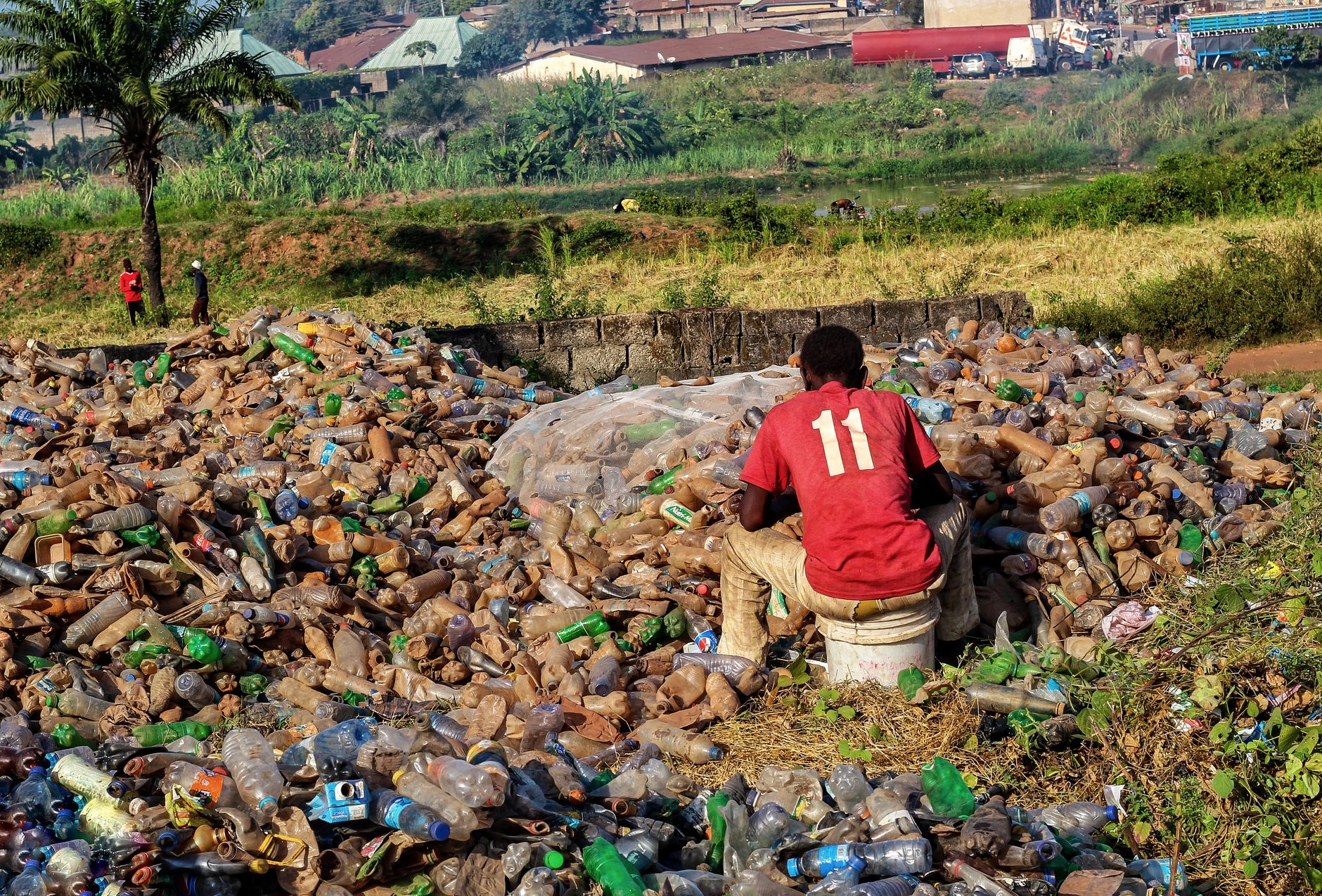
By 2037, Biodegradable Plastics Will Replace 50% Of All Plastics.
fc82dea5c70eb99c · Resolution source: mag.turkishplastics.net · Biodegradable Plastics: Eco-Friendly AlternativesPrediction Details
By 2037, Biodegradable Plastics Will Replace 50% Of All Plastics. Probability: 75%. Confidence Level: Medium.
The year 2037 may mark a quiet but profound shift in the material world. According to a new forecast, biodegradable plastics are projected to account for fully half of all global plastic production by that year. This is not a utopian wish but a calculated midpoint, reached only after a decade of stalled promises and stubborn economic realities. The target is precise: in the official statistics of global plastic output, the share of compostable and bio-based polymers will hit the 50 percent threshold. The reasoning behind this timeline is sober. Existing production capacity is insufficient, and the cost gap between conventional petroleum-based plastics and their greener cousins remains a formidable barrier. Therefore, the middle of the 2035 to 2040 window, landing on 2037, is seen as the most realistic inflection point.
Today, the current state is far from that milestone. Biodegradable plastics, including polylactic acid (PLA) and polyhydroxyalkanoates (PHA), represent a low single-digit percentage of the total market. They are niche products, used in compostable packaging, agricultural films, and single-use cutlery. Their production relies on feedstocks like corn starch or sugarcane, which compete with food supply and require dedicated fermentation and polymerization facilities. Meanwhile, conventional plastics are cheap, versatile, and backed by a century of infrastructure. The petrochemical industry operates at massive scale, making virgin resin costs incredibly low. For a brand to switch to a biodegradable alternative, it must absorb a premium that often doubles or triples the material expense. Recycling systems, where they exist, are designed for traditional polymers, and biodegradable items can contaminate those streams, creating a logistical headache rather than a clean solution.
Why might this change by 2037, and what challenges remain? The primary driver is regulatory pressure, not consumer sentiment alone. Many governments have already implemented bans on certain single-use plastics, and these mandates are expanding to cover more product categories. As carbon taxes and extended producer responsibility schemes tighten, the true cost of fossil-based plastics rises, narrowing the price gap. Simultaneously, biotech firms are scaling up production using engineered microbes and non-food feedstocks like agricultural waste, which lowers both cost and land use. Investment in chemical recycling for biodegradable polymers is also improving, addressing the contamination issue. However, the challenges are severe. Performance limitations, such as lower heat resistance and slower degradation in marine environments, still restrict applications. Greenwashing is rampant, with some products labeled biodegradable that only break down in industrial composters, not in nature. Building enough new biorefineries to meet a 50 percent share requires capital investments in the hundreds of billions, a pace that private markets are reluctant to fund without guaranteed long-term demand.
The implications of reaching this threshold are transformative. If half of all plastics are biodegradable, the waste landscape changes dramatically. Landfills would see reduced methane emissions from decomposing organic matter, and microplastic pollution from durable packaging could decline sharply. Agriculture would benefit from mulch films that degrade in place, eliminating removal costs. Yet, there are risks. A massive shift to bio-based feedstocks could strain water and land resources, potentially driving up food prices. Biodegradable does not mean litter-free; a bottle dropped on a beach still takes months to vanish, and during that time it can harm wildlife. The recycling industry would need a complete overhaul, with separate collection streams for compostable versus non-compostable items. Socially, the transition could create new jobs in rural biotech sectors while displacing workers in petrochemical regions. By 2037, if the prediction holds, the plastics we discard will no longer be eternal. They will be transient, returning to the earth within a season, but only if the infrastructure and honesty of labeling follow suit. The forecast is not a guarantee but a roadmap, and the next decade will determine whether we have the collective will to follow it.
Related Predictions
- By 2037, Use Of Synthetic Organisms For Environmental Cleanup. 2037 · Biotech
- By 2036, Artificial Plasmantas Will Transform Blood Transfusion. 2036 · Biotech
- By 2036, Bacteria With Synthetic Genomes Are Expected To Clean Up Environmental Toxins. 2036 · Biotech
- Biosensor Implants Will Perform 24/7 Cancer Screening By 2036. 2036 · Biotech
- By 2035, Neural Prostheses Will Restore Natural Movement Abilities To Paralyzed Patients. 2035 · Biotech