
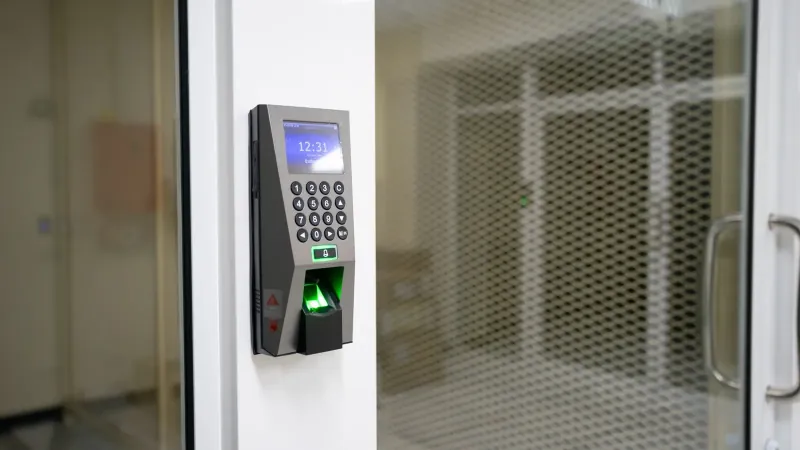
By 2034, At Least 60 Percent Of Digital İdentity Transactions Worldwide Will Be Protected By Multi Factor Authentication Combining Device Bound Cryptographic Keys With Biometrics İnstead Of Traditional Passwords.
ab5da8d16e54acf8 · Resolution source: imarcgroup.com · Digital Identity Solutions Market Size & Forecast 2034By 2034, At Least 60 Percent Of Digital İdentity Transactions Worldwide Will Be Protected By Multi Factor Authentication Combining Device Bound Cryptographic Keys With Biometrics İnstead Of Traditional Passwords.
By 2034, At Least 60 Percent Of Digital İdentity Transactions Worldwide Will Be Protected By Multi Factor Authentication Combining Device Bound Cryptogr… Probability: 62%. Confidence Level: Medium.
The Rise of Passwordless Authentication
As 2034 approaches, the most visible shift in digital identity will be the slow departure of passwords from the stage. According to the sources, credential compromise accounts for roughly 61 percent of security breaches. Meanwhile, 72 percent of organizations report that identity driven attacks increase every year. This picture shows that traditional passwords and single factor login methods are no longer sufficient as a line of defense.
The approach filling this gap will be multi factor authentication that combines a device bound cryptographic key with biometrics. Banking, healthcare, government, retail and telecommunications sectors are rapidly adopting biometric authentication, artificial intelligence and multi factor methods. Deepfakes generated by artificial intelligence and synthetic identity fraud turn this transition from a preference into a necessity.
Regulatory pressure works in the same direction. Strict data privacy rules such as GDPR push organizations toward more secure identity verification systems. Biometric solutions, digital identity cards and blockchain based approaches stand out as the carriers of this transformation. The market structure is shaping accordingly. Cybersecurity giants, specialized biometric providers and IT leaders are expanding their portfolios through acquisitions, cloud integrations and artificial intelligence investments.
As a result, in 2034 a significant portion of digital transactions will be protected by layered verification that is effortless for users yet very hard to imitate. This transition will reduce identity theft while accelerating access to digital services.
Related Predictions
- Quantum-resistant Encryption Becomes Standard 2037 · Security
- Decentralized Identity (DID) Systems Are Expected To Reach $41.7 Billion By 2030. 2030 · Security
- By 2039, There Is A 60% Probability That Quantum Computers Will Break RSA-2048. 2039 · Security
- By 2046, AI-powered Systems Used İn Detecting Phishing And İdentity-based Attacks Will Reduce The False Positive Rate To Below 1 Percent İn Enterprise Environments. 2046 · Security
- By 2049, Standards Bodies Such As NIST Will Have Published A Formal Framework Mandating Multifactor Authentication For Non-human Identities, Including Software Agents And Autonomous Resources. 2049 · Security