
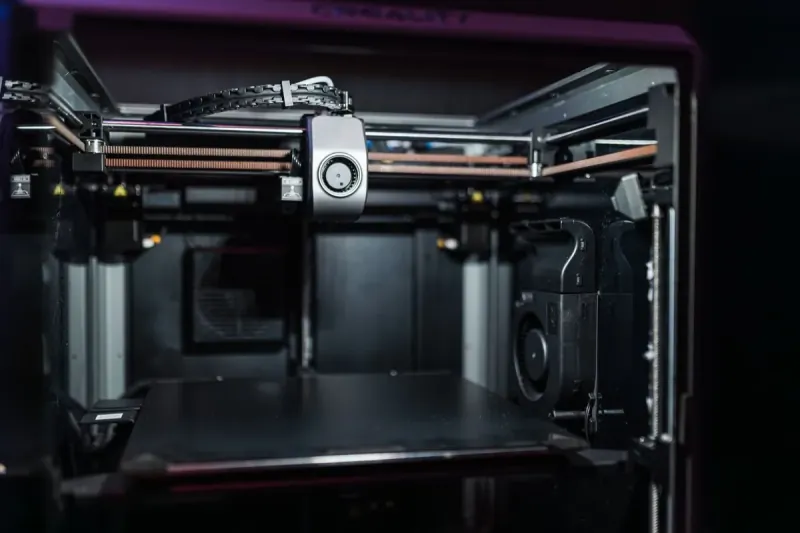
By 2037, Construction Of Structures In Space Using 3D Printing.
8ae6672858f77fef · Resolution source: 3d.deneyimvakti.com · New Method for Deployable 3D Structures in SpacePrediction Details
By 2037, Construction Of Structures In Space Using 3D Printing. Probability: 70%. Confidence Level: Medium.
Space Construction With 3D Printing Possible?
The next leap in space exploration will be not just traveling further, but establishing permanent habitation there. Achieving this goal hinges on utilizing the soil at the destination rather than transporting materials from Earth - can robotic 3D printing systems produce permanent structures from regolith, the local soil, on the Moon or Mars surface? Currently, this technology is still in prototype stages. NASA and ESA are producing small-scale bricks and simple domes using regolith mixtures simulated on Earth as part of the Artemis program and the Moon to Mars initiative. At the International Space Station, zero-gravity printing tests are being conducted, but these trials are limited to components and small parts only. As yet, no organization has been able to develop a fully autonomous system capable of producing a habitat in situ.
Can Habitat Production In Space Occur By 2037?
2037 is currently projected as the beginning of humanity’s architectural revolution in space - the year robotic 3D printing systems will produce and deploy a structural module from regolith on the Moon or Mars surface for operational use. The probability of this prediction coming true is estimated at 70 percent. The rationale cited is that, under NASA and ESA's Artemis and Moon to Mars programs, regolith-based 3D printing technologies will mature by the mid-2030s, making 2037 a reasonable midpoint for the first full-scale habitat trials.
Why Is 3D Printing So Important In Space?
The strongest argument for this prediction’s feasibility lies in the cost of transporting materials from Earth. Shipping one kilogram to the Moon surface can cost thousands of dollars, while regolith is free and abundant. Robotic arms and sintering or binder-spraying methods powered by solar energy appear to be maturing around the mid-2030s. This would allow for astronauts’ living quarters, laboratories, and protective shields to be constructed from local resources.
What Challenges Are Being Faced?
However, challenges remain significant. The abrasive nature of regolith rapidly wears down equipment, low gravity makes layer bonding difficult, and temperature fluctuations between day and night cause expansion stresses in the material. Furthermore, autonomous systems operating with delayed commands from Earth necessitate a high level of decision-making capability for artificial intelligence during the construction process. Despite these obstacles, the 2037 target is considered ambitious but logical given current technological momentum.
Frequently Asked Questions
1. What Materials Are Used In Space 3D Printing?
The primary material used in space 3D printing is regolith - the local soil found on the Moon or Mars surface. This regolith is solidified using sintering or binder-spraying methods to create structural elements. Only printing machines and robotic systems are planned to be transported from Earth.
2. Which Space Agencies Are Developing This Technology?
NASA and ESA are actively researching regolith-based 3D printing technologies as part of the Artemis program and the Moon to Mars initiative. Private companies are also conducting work in this area.
3. When Will The First Habitat Be Ready For Use By 2037?
According to projections, robotic 3D printing systems could produce a permanent structural module on the Moon or Mars surface by 2037. This would be a critical step towards sustainable living for humanity in space.
Related Predictions
- By 2037, Space Tourism Reaches 100,000+ People Annually. 2037 · Space
- By 2037, The First Crewed Mars Landing Occurs (SpaceX Or An International Mission). 2037 · Space
- By 2038, more than 100 countries will have signed the Artemis Accords. 2038 · Space
- By 2036, Space Tourism Reaching More Than 10,000 Customers Per Year. 2036 · Space
- By 2036, First Commercial Extraction Of Water Ice From The Moon. 2036 · Space