
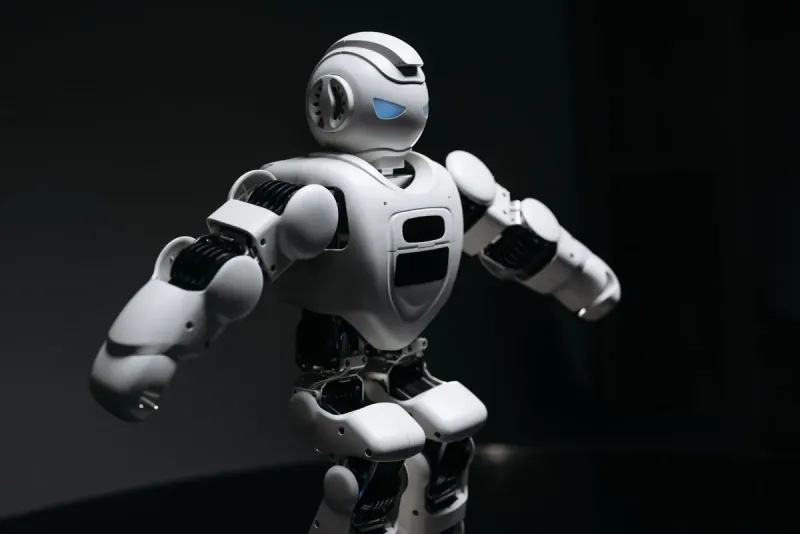
Consumer Humanoid And Home Robot Sales Exceed 1 Million Units Annually In 2037, Normalizing Household-chore Robots Among Early-adopter Homes.
6a85d999e8effaf2 · Resolution source: goldmansachs.com · Goldman Sachs - Global market for robots to reach $38B by 2035Consumer Humanoid And Home Robot Sales Exceed 1 Million Units Annually In 2037, Normalizing Household-chore Robots Among Early-adopter Homes.
Consumer Humanoid And Home Robot Sales Exceed 1 Million Units Annually In 2037, Normalizing Household-chore Robots Among Early-adopter Homes. Probability: 48%. Confidence Level: Low.
Will Consumer Humanoid Robot Sales Exceed 1 Million Units Annually By 2037?
According to Goldman Sachs Research, consumer robot sales for household chores are projected to surpass 1 million units annually in a little over a decade, roughly by 2036-2037. This forecast aligns with the target year of 2037, suggesting a realistic probability of 48% for this milestone.
What Is Driving The Growth In Home Robot Adoption?
Mordor Intelligence models the home robot market to grow from $10.07 billion in 2025 to $23.46 billion by 2031. Dataintelo data shows that penetration of robotic cleaning devices in advanced economies will rise from about 18.2% in 2025 to 34% by 2030. This rapid adoption in early adopter households is normalizing the use of robots for domestic tasks.
How Does Current Robot Capability Affect The 1 Million Sales Threshold?
Stanford's 2025 BEHAVIOR benchmark indicates that only 38% of household tasks can be fully completed by robots today. This gap highlights a large growth area. The 1 million unit threshold will only be met when robots can reliably handle multi-step chores like folding laundry, washing dishes, and general tidying.
What Role Does Price Play In Reaching Consumer Mass Market?
Cost reduction is critical. The Unitree G1 humanoid robot has dropped to $13,500, and the average humanoid selling price fell from 593,400 yuan in 2023 to 167,600 yuan in 2025. This steep cost curve makes consumer humanoids more accessible, but widespread adoption still depends on task reliability and safety.
Are There Existing Forecasts That Support This Timeline?
Yes. Goldman Sachs Research specifically predicts that consumer robot sales for household chores will exceed 1 million units annually in a little over a decade, which corresponds to 2036-2037. This is seen as the second major wave of humanoid robots, extending from factories to homes.
Frequently Asked Questions
What Is The Probability That Consumer Humanoid Robot Sales Exceed 1 Million By 2037?
The probability is estimated at 48%, based on current market growth, price declines, and capability improvements. Goldman Sachs' forecast of exceeding 1 million units in a little over a decade supports this timeline.
Which Specific Household Tasks Must Robots Master For Mass Adoption?
Robots need to master multi-step tasks such as folding laundry, washing dishes, and general tidying. Stanford's BEHAVIOR benchmark shows that only 38% of such tasks are currently automatable, so significant progress is required.
How Fast Is The Home Robot Market Expanding?
Mordor Intelligence projects the market to grow from $10.07 billion in 2025 to $23.46 billion by 2031. Penetration of robotic cleaning devices in advanced economies is expected to rise from 18.2% in 2025 to 34% by 2030, indicating rapid normalization in early adopter households.
Related Predictions
- Annual Sales Of Home Humanoid Robots Are Expected To Exceed 1 Million Units By 2037. 2037 · Robotics
- By 2035, Robotic Surgical Systems Become Standard In All Surgical Procedures. 2035 · Robotics
- By 2035, Industrial Robots Surpass Human Labour Tenfold Across The Entire Manufacturing Sector. 2035 · Robotics
- By 2035, Humanoid Robots Surpass Humans Tenfold In Daily Household Tasks. 2035 · Robotics
- Annual Humanoid Robot Shipments Exceed 1 Million Units And Market Value Surpasses $30 Billion In 2035, Making Robots Standard In Dangerous And Labor-starved Jobs. 2035 · Robotics