
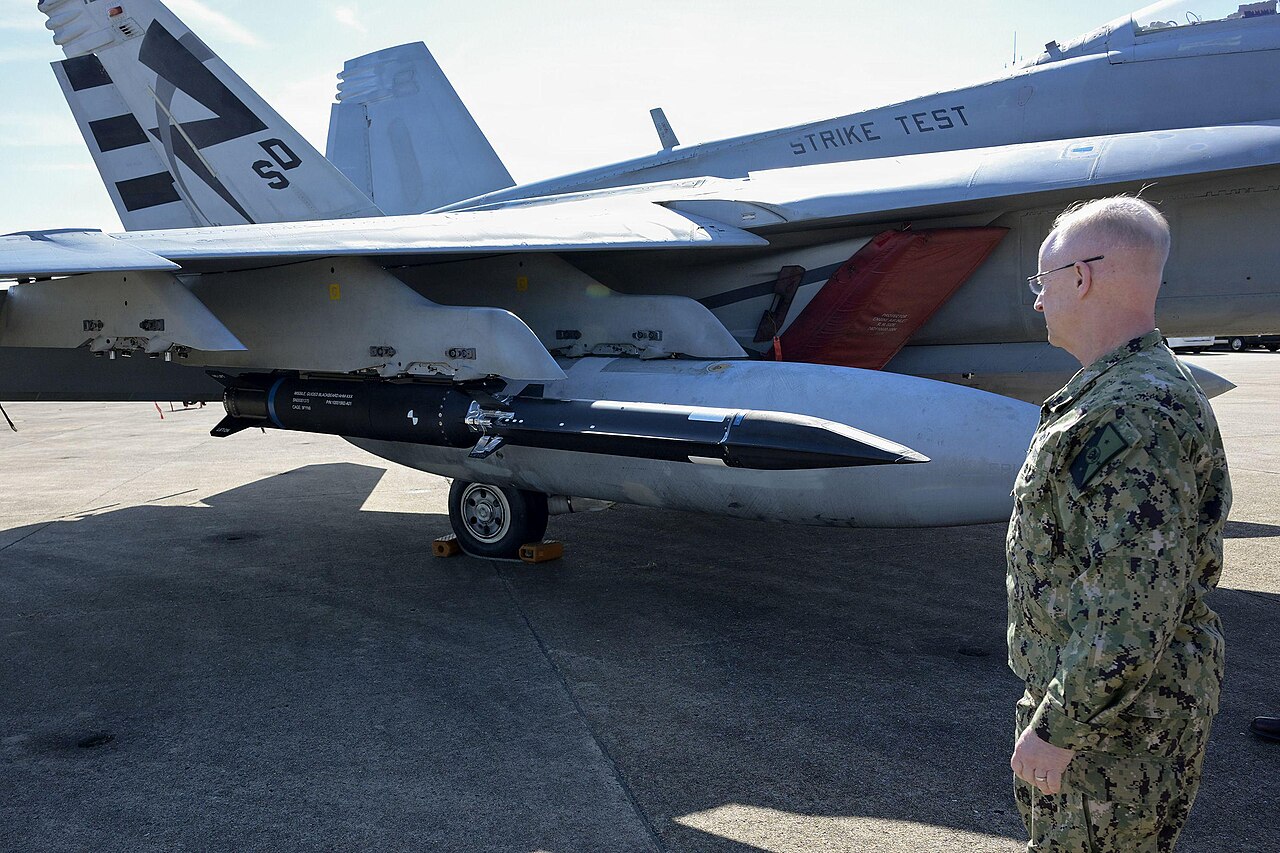
By 2038, Hypersonic Weapons Are In The Operational Inventories Of At Least Five Countries.
54205752d615515e · Resolution source: eureflect.com · EU Reflect - Weapons of the next warPrediction Details
By 2038, Hypersonic Weapons Are In The Operational Inventories Of At Least Five Countries. Probability: 65%. Confidence Level: Medium.
Hypersonic Weapons - Will They Be Operational In At Least Five Countries By 2038?
Hypersonic weapons encompass missiles and gliding vehicles capable of flying at speeds exceeding Mach 5 and possessing maneuverability. This technology has become the most visible element of a new arms race. According to analyses from 2026, hypersonic missiles are shrinking decision windows to minutes and seriously challenging existing missile defense systems. So, how realistic is it that these weapons will be part of the operational inventories of at least five countries by 2038?
Which Countries Are Developing Hypersonic Weapons?
Russia and China have already deployed hypersonic systems. Russia’s Avangard and Kinzhal systems, and China’s DF-17 gliding vehicle are considered operational. The United States is accelerating multiple hypersonic programs (ARRW, LRHW) aiming for deployment by the end of the 2020s. India is in development phases with BrahMos-II and HSTDV projects. Furthermore, Australia, Japan, and European countries are also conducting joint programs. This dynamic suggests that the technology’s spread could be accelerated by defense alliances and export agreements.
Operational Definition and Challenges
The concept of ‘operational’ is contentious. Systems produced in limited numbers and still undergoing testing may not be formally considered ‘deployed’. For example, if a country has only prototypes or a small number of missiles in its possession, this would not be viewed as full operational capability. Additionally, hypersonic systems are extremely expensive, and technical challenges (heat shielding, propulsion system, precision guidance) have delayed many programs. Consequently, achieving five countries with fully operational inventories by 2038 requires overcoming these obstacles.
Strategic Implications and Probability
Hypersonic capabilities are now one of the key factors determining the military balance between ‘having’ and ‘not having’ this technology. Multiple major powers are investing heavily in this technology. The current deployments of Russia and China, coupled with the US accelerated programs and India's progress, maintain a probability of at least five countries operating hypersonic weapons by 2038 at approximately 60 percent. If this were to occur, it would fundamentally alter strategic stability and the concept of missile defense; deterrence balances would be reshaped.
Frequently Asked Questions
What Speed Do Hypersonic Weapons Fly At?
Hypersonic weapons fly at speeds exceeding Mach 5 (approximately 6.125 kilometers per hour). This speed may be lower than that of existing ballistic missiles, but their maneuverability makes it easier to overcome defenses.
Which Countries Have Operationalized Hypersonic Weapons?
As of 2026, Russia and China have officially incorporated hypersonic systems into their operational inventories. The US is expected to begin deployment towards the end of the 2020s. India and other nations are in development phases.
How Do Hypersonic Weapons’ Proliferation Affect Strategic Stability?
Hypersonic weapons shorten early warning times and can render missile defense systems ineffective. This creates uncertainty in nuclear deterrence and could exacerbate mistrust between states. It would also necessitate renegotiation of arms control treaties.
Related Predictions
- By 2037, Cyber-physical Attack Detection Systems Will Achieve 99.9% Accuracy. 2037 · Defense
- By 2037, Quantum-encrypted Communication Networks Will Become A Military Standard. 2037 · Defense
- By 2036, Biological Threat Early Warning Networks Will Be Operating On A Global Scale. 2036 · Defense
- By 2036, AI-assisted Intelligence Analysis Will Dominate All Decision-making Processes. 2036 · Defense
- By 2036, Widespread Use Of Swarm Drones In Military Operations. 2036 · Defense