
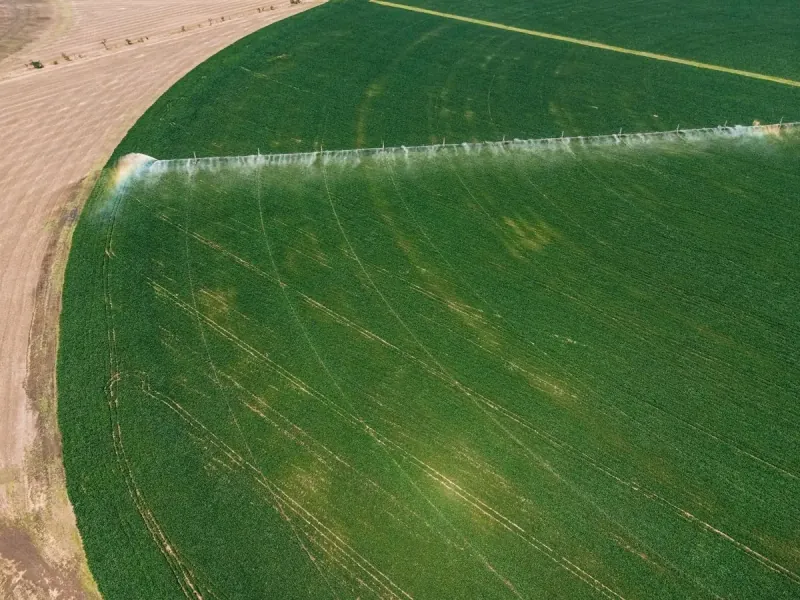
Reduction Of Dependence On Traditional Agriculture By 50% Through Precision Fermentation
eb7f9264719054cc · Resolution source: agtecher.com · Precision Fermentation: Animal-Free Food...Reduction Of Dependence On Traditional Agriculture By 50% Through Precision Fermentation
Reduction Of Dependence On Traditional Agriculture By 50% Through Precision Fermentation Probability: 80%. Confidence Level: Medium.
Precise Fermentation: What Is It And How Does It Reduce Dependence On Traditional Agriculture?
Precise fermentation is a biotechnology method that transforms microorganisms into biological factories, enabling the production of components like milk protein, whey protein, and egg white without animal husbandry. This technology has been developed to reduce the environmental footprint of traditional agriculture and offer a sustainable solution for a growing population and climate crisis. Current projections suggest that by 2035, precise fermentation could meet at least half of the protein and dairy products used in agricultural production, reducing dependence on traditional farming by approximately 50 percent.
Is A 50 Percent Reduction By 2035 Realistic?
Yes, it is considered realistic with an 80 percent probability. As of today, precise fermentation is at the cusp of commercialization. Products have found their niche markets in numerous countries, including the United States and Singapore, after securing regulatory approvals. However, global production capacity remains limited; current facilities are behind traditional dairy industries in terms of bioreactor volume and economies of scale. While investments are rapidly increasing, the infrastructure revolution needed for the cost per liter to compete with animal milk has not yet been fully realized. Therefore, the 2030 target is optimistic, while 2035 offers a realistic timeframe for exceeding that threshold.
What Are The Environmental And Economic Advantages Of Precise Fermentation?
The driving force behind this transformation is efficiency. Precise fermentation uses up to 90 percent less water and land to produce the same amount of protein compared to animal husbandry. It also dramatically reduces greenhouse gas emissions. However, realizing this potential faces significant hurdles. Primarily, downstream purification processes after fermentation are energy-intensive, which can increase the carbon footprint. Secondly, constructing and operating large-scale bioreactors requires substantial capital investment. Nevertheless, current investment trends and accelerated regulatory approvals suggest that these barriers could be overcome by 2035.
Frequently Asked Questions
Are Products Produced Through Precise Fermentation Safe?
Yes, they have been approved by regulatory bodies such as the US FDA and Singapore SFA. Although the products are manufactured using genetically modified microorganisms, the final product has the same protein structure as its animal counterpart and undergoes rigorous safety testing.
Will This Technology Completely Eliminate Traditional Agriculture?
No, the 2035 target does not envision complete elimination but rather a reduction in dependence by 50 percent. Traditional agriculture will continue to exist, particularly in vegetable production and certain animal products. Precise fermentation will play a complementary role, especially in protein and dairy products.
What Is The Biggest Risk For Investors Looking To Invest?
The biggest risk is failing to achieve economies of scale and cost reductions being slower than anticipated. Furthermore, energy-intensive purification processes can increase the carbon footprint, thereby reducing environmental benefits. However, current investment flows and technological advancements are mitigating these risks.
Related Predictions
- Synthetic Meat Becomes 30% Cheaper Than Conventional Meat 2035 · Biotech
- Bioprinters Routinely Produce Simple Organs (Skin, Cartilage) 2035 · Biotech
- Living Therapeutics Will Cure Intestinal Diseases. 2034 · Biotech
- Personalized Vaccine Platforms Will Be Able To Produce A New Vaccine Within 24 Hours. 2033 · Biotech
- Routine Use Of Programmable Cell Therapies In Cancer Treatment 2033 · Biotech