
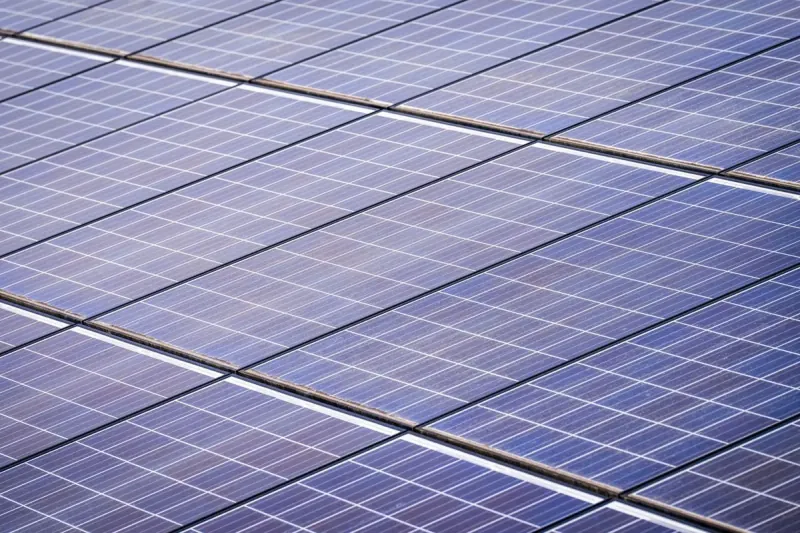
Global Renewable Capacity Exceeds 5 TW; Solar And Wind Become The Cheapest Power Sources.
7fe0b4afad4fc8a8 · Resolution source: en.wikipedia.org · WikipediaGlobal Renewable Capacity Exceeds 5 TW; Solar And Wind Become The Cheapest Power Sources.
Global Renewable Capacity Exceeds 5 TW; Solar And Wind Become The Cheapest Power Sources. Probability: 72%. Confidence Level: High.
Can Renewable Energy Capacity Exceed 5 TW By 2027?
The target of 5 terawatts (TW) of renewable installed capacity - one of the most critical tipping points in global energy transformation - could be achieved by 2027. According to data from the International Renewable Energy Agency (IRENA), the likelihood of reaching this goal is assessed at 72 percent. What are the key dynamics behind this optimism?
Why Solar And Wind Have Become The Cheapest Resources?
Over the past decade, declines in solar panel and wind turbine costs have made these resources far more economically attractive than fossil fuels. According to IRENA reports, over 90 percent of new renewable projects currently under construction produce electricity at a lower cost than coal or gas power plants. This cost advantage is rapidly shifting investment decisions towards renewables, particularly in developing countries.
What Factors Are Contributing To Reaching The 5 TW Milestone?
In addition to increases in installed capacity, declines in energy storage costs and investments in grid infrastructure are also supporting this target. The growing share of intermittent resources (solar and wind) is driving the need for storage solutions. The rapid decline in lithium-ion battery prices is increasing the availability of these resources 24/7, reducing dependence on fossil fuels. Furthermore, smart grid applications and energy efficiency policies are facilitating the integration of renewable capacity into the system.
What Expected Developments Are Anticipated By 2027?
Assuming current trends continue, global renewable installed capacity is expected to exceed the 5 TW threshold by 2027. China, the United States, and the European Union countries will be the main drivers of this growth. In particular, China’s massive solar and wind projects are leading the way in capacity expansion. Furthermore, investments in green hydrogen production are indirectly boosting renewable energy demand.
This transformation's most significant economic driver is that solar and wind are now not only environmentally friendly but also the most profitable options. Fluctuations in fossil fuel prices and carbon taxes make renewables even more attractive. Experts predict that this cost advantage will become even more pronounced by 2030.
Frequently Asked Questions
1. Will Renewable Energy Capacity Really Exceed 5 TW In 2027?
The probability is calculated at 72 percent. This largely depends on the current installation rate and the trend of falling costs. However, supply chain bottlenecks or policy changes could delay this target.
2. Are Solar And Wind Energy Cheaper Than Fossil Fuels In Every Region?
No, there are regional differences. In areas with high solar irradiance and strong wind potential (e.g., the Middle East, North Africa, Australia), these resources are much cheaper. However, in some regions, natural gas prices remain very low, making competition more challenging (e.g., in the United States).
3. Is 5 TW Capacity Sufficient For Climate Goals?
No, 5 TW is just a milestone. To achieve the goals of the Paris Agreement, renewable capacity needs to exceed this figure by 10 TW by 2030. However, 5 TW represents a critical threshold that will trigger significant reductions in fossil fuel use.
Related Predictions
- Carbon Capture Facilities Begin Storing CO2 At The Million-tonne Scale. 2027 · Climate
- The First Large-scale Green Hydrogen Plants Come Online For The Hydrogen Economy. 2027 · Climate
- Global Energy-related CO2 Emissions Will NOT Set A New Record In 2027 Compared To The Previous Year, Despite Rising Data Center / AI Demand. 2027 · Climate
- By December 2027, No Official Body Such As WMO Or Copernicus Will OFFICIALLY DECLARE That The Paris Agreement's 1.5°C LONG-TERM (20-30 Year Average) Threshold Has Been Exceeded. 2027 · Climate
- Global Carbon Capture And Storage (CCS) Capacity Will NOT Exceed The 100 Million Tonnes/year Threshold By The End Of 2027. 2027 · Climate