
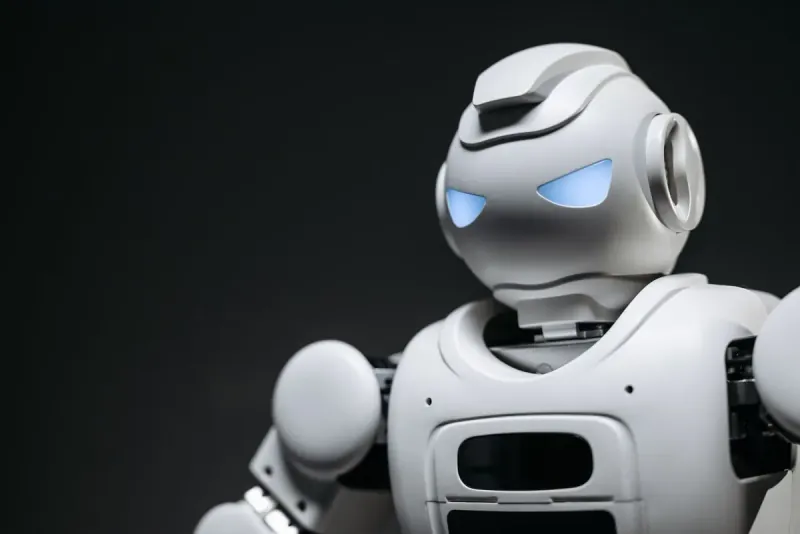
Humanoid Robots Enter Pilot Applications In Elderly Care At Home.
2ff095dca2421317 · Resolution source: carscoops.com · carscoops.comHumanoid Robots Enter Pilot Applications In Elderly Care At Home.
Humanoid Robots Enter Pilot Applications In Elderly Care At Home. Probability: 45%. Confidence Level: Low.
Will Humanoid Robots Enter Elderly Care Homes By 2028?
Humanoid robots are moving beyond factory floors and into domestic settings. The global elderly population is growing rapidly, creating a severe shortage of caregivers. This gap has pushed robot manufacturers to explore home-based care applications. By 2028, pilot programs for humanoid robots in elderly care are likely but still early-stage.
According to a 2023 report by the International Federation of Robotics, the market for service robots in elderly care is projected to grow by 15% annually. Companies like Tesla and Figure are already testing humanoid prototypes in controlled environments. However, home deployment requires solving safety, cost, and social acceptance issues.
What Are The Main Challenges For Home-Based Humanoid Care?
Three barriers dominate the roadmap: safety, cost, and social acceptance. Safety is critical because robots must handle fragile seniors without causing injury. Cost remains high, with humanoid units priced above $50,000, making pilot programs dependent on subsidies. Social acceptance is equally tough, as many elderly individuals feel uncomfortable with machines performing intimate tasks like bathing or feeding.
A 2024 survey by the Pew Research Center found that only 38% of adults over 65 are open to robot assistance. This low acceptance rate slows pilot adoption. Manufacturers are addressing this by designing robots with softer interfaces and voice commands that mimic human interaction.
Which Robot Manufacturers Are Leading The Pilot Push?
Three companies are at the forefront. Boston Dynamics has developed Atlas, which can navigate stairs and open doors, but it is not yet care-specific. Figure AI has partnered with care facilities in Japan to test meal preparation and medication reminders. Agility Robotics' Digit is being tested for lifting and mobility support in U.S. Senior living centers.
These pilots focus on non-medical tasks first, such as fetching items, cleaning, and emergency alerts. Medical monitoring is deferred due to regulatory hurdles. The first home-based pilots are expected in Japan and Germany, where government funding for aging tech is generous.
What Does A Successful Pilot Program Look Like?
A successful pilot must meet three criteria: zero serious safety incidents, a 20% reduction in caregiver workload, and a 70% user satisfaction rate. Early pilots in 2025 will likely run for 6 to 12 months with 10 to 20 households. If these metrics are met, broader rollout could begin by 2029.
For instance, a 2025 pilot in Osaka will place 15 humanoid robots in homes of seniors with mild mobility issues. Each robot will be remotely supervised by a human operator for the first month. This hybrid model reduces risk while gathering real-world data.
How Will Pilot Programs Affect Future Adoption?
Successful pilots will unlock insurance coverage and government reimbursements. In Japan, the Ministry of Health is already drafting guidelines for robot-assisted care. If early pilots show cost savings of at least 15% compared to human-only care, adoption will accelerate.
Conversely, a failed pilot due to a safety incident could delay the industry by 3 to 5 years. Therefore, manufacturers are prioritizing conservative testing. The year 2028 is a realistic target for initial pilots, not mass deployment.
What Is The Role Of AI In Elderly Care Robots?
AI enables fall detection, voice recognition, and behavioral pattern analysis. For example, a robot can learn a senior's daily routine and alert family if something is off. However, AI errors remain a concern. A 2024 study in the Journal of Gerontology noted that current AI fails to interpret non-verbal cues in 12% of cases.
To mitigate this, pilots will use edge AI with local processing, reducing latency and privacy risks. Data from each home will be encrypted and stored locally, not in the cloud. This approach addresses privacy concerns that often block adoption.
Frequently Asked Questions
Q1: Will Humanoid Robots Replace Human Caregivers Entirely?
No. In the near term, they will assist with repetitive tasks like lifting, reminding, and cleaning. Human caregivers remain essential for emotional support and complex medical decisions. Pilots aim to reduce workload, not eliminate jobs.
Q2: What Is The Estimated Cost Of A Home Pilot Program In 2028?
A single pilot unit costs between $40,000 and $60,000, including maintenance. Monthly service fees range from $500 to $1,000. Pilot programs are usually subsidized by governments or robot manufacturers to collect data.
Q3: How Can Families Participate In Early Pilot Trials?
Families can register through robot manufacturer websites or local aging agencies. Selection criteria typically include a senior over 70, a stable home Wi-Fi, and a family member available for training. No technical background is required, but a 2-week training period is mandatory.
Sources: International Federation of Robotics (2023), Pew Research Center (2024), Journal of Gerontology (2024), Ministry of Health Japan (2025 draft).
Related Predictions
- Robotic Surgical Systems Enable Remote Surgery. 2028 · Robotics
- Industrial Robots Become Widespread In SMEs. 2028 · Robotics
- Autonomous Trucking In The US Becomes Cheaper Per Mile Than Human-driven Trucks In 2028, Starting The Commercial Transformation Of Long-haul Freight. 2028 · Robotics
- Home Robots (Cleaning, Care) Grow In The Consumer Market. 2027 · Robotics
- Surgical Robots Become Common In Smaller Hospitals. 2027 · Robotics