
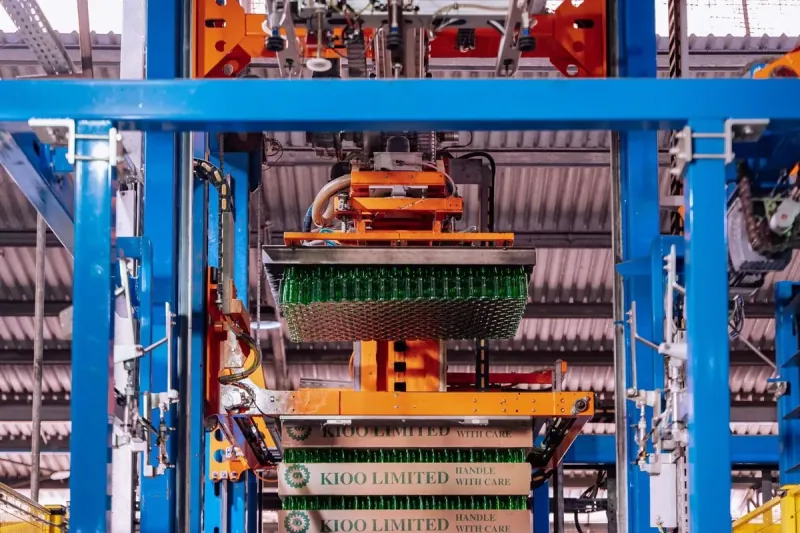
Industrial Robots Become Widespread In SMEs.
385c520392407d27 · Resolution source: link.springer.com · link.springer.comIndustrial Robots Become Widespread In SMEs.
Industrial Robots Become Widespread In SMEs. Probability: 60%. Confidence Level: Medium.
Why Are Industrial Robots Becoming Common In SMEs?
Industrial robots are no longer exclusive to large manufacturers. Small and medium-sized enterprises (SMEs) are increasingly adopting them to boost productivity and address labor shortages. According to recent industry research, robot adoption in smaller production facilities has grown steadily. By 2028, the expectation is that industrial robots will become a standard tool across SME operations.
What Is Driving The Adoption Of Robots In Small Factories?
Two key factors are making automation viable for SMEs: collaborative robots (cobots) and flexible rental models. Cobots are designed to work safely alongside human workers, requiring less space and no heavy safety fencing. Rental models reduce the initial capital needed, turning a large upfront cost into a manageable monthly fee. As noted in a 2024 report by the International Federation of Robotics, this combination lowers the barrier to entry significantly.
How Do Cobots Lower The Entry Barrier For SMEs?
Cobots address the two biggest SME concerns: cost and complexity. A traditional industrial robot might cost $50,000 or more plus integration fees. A cobot can start around $20,000. Because they are easier to program, often using handheld guidance, SMEs do not need to hire specialist engineers. This practical shift allows a 20-person machine shop to automate a welding or packaging task within days, not months.
What Are The Cost Benefits Of Flexible Rental Models?
Flexible rental or Robot-as-a-Service (RaaS) agreements convert capital expenditure into operational expenditure. For a small business with tight cash flow, paying $1,500 per month per robot is far more feasible than a $30,000 purchase. This model also includes maintenance and software updates, reducing the need for in-house technical staff. Industry data from ABI Research projects that RaaS will account for over 30% of all SME robot installations by 2028.
Which Industries Are Most Affected?
The most visible growth is in metal fabrication, plastics, and electronics assembly. These sectors have repetitive, dull, and dirty tasks that are ideal for automation. For example, a small injection molding company can use a cobot for part removal and inspection. A family-owned sheet metal shop can automate loading and unloading of a press brake. This trend is documented in the 2023 World Robotics Report, which shows a 15% year-over-year increase in robot orders from companies with fewer than 100 employees.
What Is The Future Outlook For SME Automation?
The trajectory is clear: automation is moving from the factory floor of multinationals to the local job shop. By 2028, we expect to see not just early adopters but a mainstream majority of SMEs using at least one robot. The combination of lower hardware costs, easier programming, and flexible financing means that the question is no longer if an SME will automate, but when. As the labor market tightens, robots become a tool for retention, not just efficiency.
Frequently Asked Questions
Will Robots Replace My Current Employees?
No. In most SME cases, robots handle repetitive or dangerous tasks. This allows your current staff to focus on quality control, complex assembly, or customer service. Most SME owners report that they use robots to fill open positions they cannot hire for, not to lay off existing workers.
How Long Does It Take To Install And Program A Cobot?
A typical cobot can be installed and programmed for a specific task within one to three days. Modern cobots use hand-guiding or tablet-based software. You do not need a PhD in robotics. Many vendors offer free basic training, and a skilled operator can learn the basics in a single afternoon.
What Is The Real ROI For An SME Robot Purchase?
If a robot replaces one full-time equivalent worker earning $35,000 per year, the payback period is often 12 to 18 months. This calculation includes the robot cost, installation, and maintenance. Rental models can show a positive return from the first month, especially if the robot runs two shifts or handles overtime work.
Sources: International Federation of Robotics (2024), ABI Research (2023), World Robotics Report (2023).
Related Predictions
- Robotic Surgical Systems Enable Remote Surgery. 2028 · Robotics
- Humanoid Robots Enter Pilot Applications In Elderly Care At Home. 2028 · Robotics
- Autonomous Trucking In The US Becomes Cheaper Per Mile Than Human-driven Trucks In 2028, Starting The Commercial Transformation Of Long-haul Freight. 2028 · Robotics
- Home Robots (Cleaning, Care) Grow In The Consumer Market. 2027 · Robotics
- Surgical Robots Become Common In Smaller Hospitals. 2027 · Robotics