
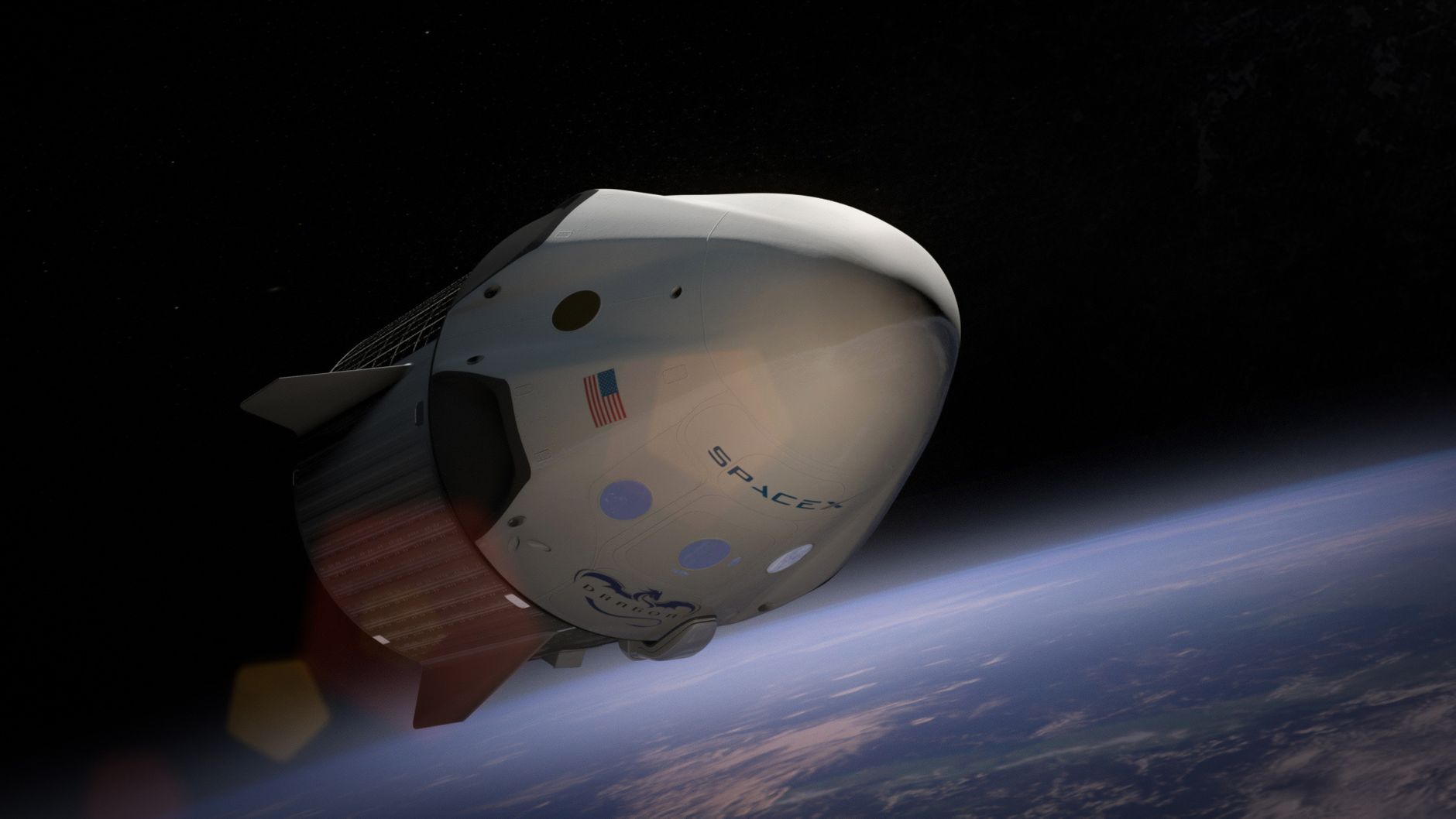
By 2038, Launch Of The First Crewed Mission To Mars.
fb6013e2f27c8c95 · Resolution source: tgrthaber.com · Musk Launches Mars MissionPrediction Details
By 2038, Launch Of The First Crewed Mission To Mars. Probability: 70%. Confidence Level: Medium.
Will The First Crewed Mission To Mars Occur In 2038?
The prospect of a crewed mission to Mars occurring in 2038, bolstered by NASA’s official goals and SpaceX’s Starship developments, is increasingly gaining traction. This date represents a mid-point for the late 2030s, largely due to the Artemis program and advancements in reusable rocket technology. What are the facts behind this claim?
What Technological Infrastructure Is Ready For A Mars Mission?
NASA’s Artemis program is testing deep space life support systems with the Gateway station and Orion capsule orbiting the Moon. These systems are critical for the survival of the crew during the journey to Mars. Meanwhile, SpaceX’s Starship, with its capacity for over 100 tons of cargo and fully reusable design, aims to fundamentally reduce the cost of transporting both cargo and humans to Mars. Both programs plan to complete crucial flight tests by the end of the 2020s, paving the way for unmanned cargo missions followed by a crewed spacecraft in the mid-2030s.
Why Is 2038 Considered A Mid-Point?
NASA’s official statements indicate a target of the late 2030s for a crewed mission to Mars. 2038 falls precisely in the middle of this timeframe. While private sector timelines (e.g., 2033) may push this date forward, 2038 offers a safe mid-point considering both technical maturity and launch windows. Given that planetary alignments occur only every 26 months, dates like 2036 or 2039 are also under consideration. However, 2038 represents the most balanced option for avoiding these windows.
What Challenges Need To Be Overcome On A Mars Journey?
There are three major hurdles facing a crewed mission to Mars. First, radiation shielding and closed-loop life support systems have not yet reached full maturity; these systems need to operate continuously throughout the 6-9 month journey. Second, the long-term effects of microgravity on astronauts’ muscle and bone health, as well as psychological resilience, are still being researched. Finally, the narrow time windows for launch opportunities increase the risk of mission delays. Technologies like nuclear thermal propulsion could shorten transit times and mitigate these risks.
When Will Validation Criteria Be Established?
Validation will occur when a crewed spacecraft is launched to Mars and achieves orbit around the planet. This historic moment will become clear with telemetry data received within hours of launch. Once an agency or company successfully accomplishes this feat, it will mark humanity’s first tangible step towards establishing a sustainable transportation link to the Red Planet. 2038 carries a strong technological and temporal claim to achieve this goal.
Frequently Asked Questions
What Is NASA's Official Target For The First Crewed Mission To Mars?
NASA aims to conduct the first crewed mission to Mars by the late 2030s. Deep space life support system learnings and orbital techniques under the Artemis program are key supporting elements of this timeline. 2038 stands out as a mid-point for this target.
What Role Will Starship Play In A Mars Mission?
SpaceX’s Starship, with its capacity for over 100 tons of cargo and fully reusable design, aims to reduce the cost of transporting both cargo and humans to Mars. While SpaceX may pursue more aggressive timelines (e.g., 2033), Starship’s successful testing makes the 2038 target more realistic.
What Is The Biggest Technical Challenge On A Mars Journey?
The biggest technical challenge is protecting the crew from radiation and ensuring the reliability of closed-loop life support systems during long-duration space travel. Additionally, the effects of 6-9 months in microgravity on human health are not yet fully understood. Technologies like nuclear propulsion could shorten this time period and reduce these risks.
Related Predictions
- By 2038, more than 100 countries will have signed the Artemis Accords. 2038 · Space
- By 2037, Opening Of The First International Research Base On The Moon. 2037 · Space
- By 2037, Construction Of Structures In Space Using 3D Printing. 2037 · Space
- By 2037, Space Tourism Reaches 100,000+ People Annually. 2037 · Space
- By 2037, The First Crewed Mars Landing Occurs (SpaceX Or An International Mission). 2037 · Space