
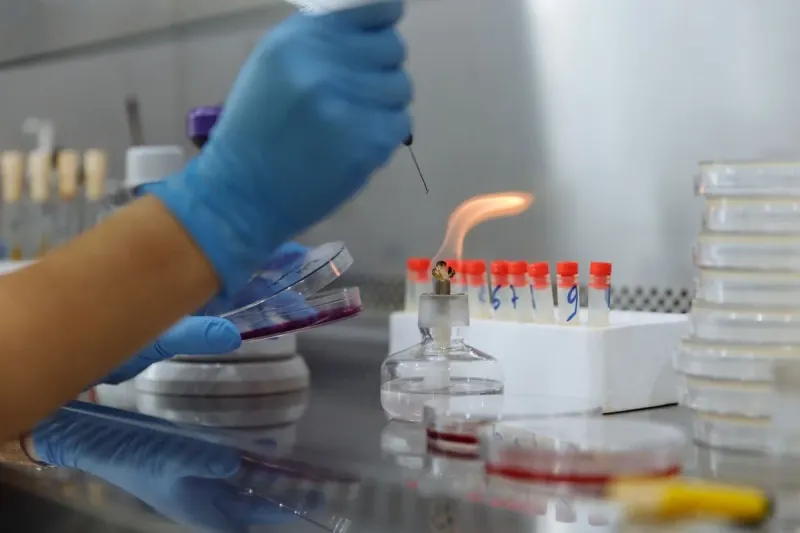
By 2037, Microbes Treating Obesity And Metabolic Diseases.
55a4c4ae5100fb5b · Resolution source: doi.org · Taste's Role in Obesity: Fat PerceptionPrediction Details
By 2037, Microbes Treating Obesity And Metabolic Diseases. Probability: 55%. Confidence Level: Medium.
Can Microbes Truly Treat Obesity And Metabolic Diseases?
Trillions of microorganisms inhabit our guts, not just aiding digestion but also governing our entire body - from immunity to mood. Recent research over the past decade suggests that obesity and type 2 diabetes aren’t solely caused by excess calories or genetic predisposition; rather, imbalances in the gut microbiome (dysbiosis) are both a cause and a consequence of these diseases. Consequently, the scientific community is pursuing permanent treatments by reprogramming the microbiome instead of surgical intervention or lifelong medication use. When will this treatment be clinically approved and widely available?
Microbiome-Based Therapies - Where Are They Now?
Fecal microbiota transplantation (FMT) has proven successful in treating conditions like Clostridioides difficile infections and demonstrates the power of microbiome manipulation. However, its application to obesity is more complex. It’s known that bariatric surgeries (bypass procedures) permanently alter the gut microbiome, but whether this change is cause or effect remains a subject of debate. Clinical trials supplementing specific bacterial species - such as Akkermansia muciniphila or Christensenella minuta - have shown promising results, though these effects vary significantly from person to person. As of today, no microbiome-based product has received FDA or EMA approval for weight loss or blood sugar control, posing a key challenge to the prediction: the unique nature of the microbiome and the impact of external factors like diet and lifestyle make standardizing it into a universal treatment difficult.
What Is The Probability Of Approval By 2037?
Our estimate is that the first microbiome-based therapy developed in this field will receive clinical approval and become widely available by 2037, with an approximate probability of 55%. This optimism stems from the rapid maturation of technological infrastructure. Artificial intelligence-supported metagenomic analyses are mapping much faster which bacterial combinations trigger specific metabolic pathways. Furthermore, personalized microbiome profiles designed to create probiotic and postbiotic formulations are beginning to yield more consistent results in clinical trials. However, given that safe and permanent weight/metabolism regulation hasn’t yet been proven in humans, this date remains uncertain. Nevertheless, it appears likely that initial approved treatments will emerge by 2037.
What Challenges Do Microbiome Therapies Face?
The biggest challenge is the inherent individuality of the microbiome. Each person's gut flora is unique, depending on their genetics and environmental factors. Therefore, it’s unreasonable to expect a single bacterial species or combination to have the same effect in everyone. Additionally, external factors such as diet and lifestyle significantly influence treatment outcomes, making the creation of a standardized treatment protocol difficult. Despite these obstacles, research continues at an accelerated pace, and our knowledge base in this field is growing year by year.
Frequently Asked Questions
1. When Will Microbiome-based Obesity Treatments Be Available?
Our estimate is that the first microbiome-based therapy will receive clinical approval and become widely available by 2037. However, this date depends on demonstrating safe and permanent weight/metabolism regulation in humans. The probability is approximately 55%.
2. What Microbiome-based Products Are Currently Being Used For Obesity?
As of now, no microbiome-based product has received FDA or EMA approval for weight loss or blood sugar control. However, supplements containing specific bacterial species like Akkermansia muciniphila have shown promising results in clinical trials.
3. Why Do Microbiome Treatments Show Different Effects From Person To Person?
This is because each individual’s gut flora is unique, depending on their genetics and environmental factors. Diet and lifestyle such as these also significantly impact treatment outcomes. Therefore, creating a standard treatment protocol is challenging.
Related Predictions
- By 2037, Bioprinters Producing Complex Vascular Networks. 2037 · Biotech
- By 2037, Use Of Synthetic Organisms For Environmental Cleanup. 2037 · Biotech
- By 2037, Biodegradable Plastics Will Replace 50% Of All Plastics. 2037 · Biotech
- By 2036, Artificial Plasmantas Will Transform Blood Transfusion. 2036 · Biotech
- By 2036, Bacteria With Synthetic Genomes Are Expected To Clean Up Environmental Toxins. 2036 · Biotech