
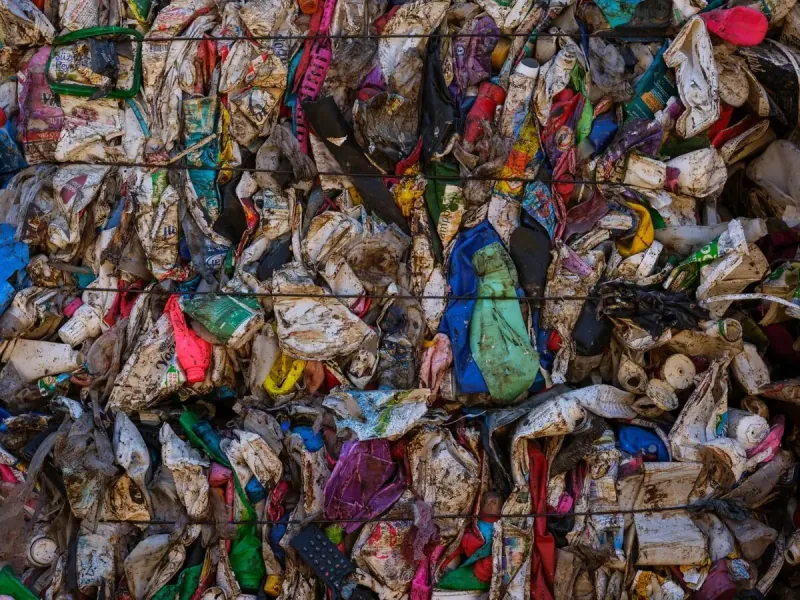
By 2038, Microbes Will Be Able To Degrade 90% Of Plastic Waste Efficiently.
8c10af08f2cefa97 · Resolution source: tuba.gov.tr · Macro Problems from Microplastic Waste: Sustainable Management ApproachPrediction Details
By 2038, Microbes Will Be Able To Degrade 90% Of Plastic Waste Efficiently. Probability: 65%. Confidence Level: Medium.
Can Microbes Break Down 90 Percent Of Plastic Waste?
Plastic pollution is one of the most persistent environmental problems, present across all areas from oceans to soil and food chains. Traditional recycling methods are insufficient, leading scientists to explore nature’s own solution mechanisms - specifically, harnessing the power of microbes and enzymes. Biotechnology offers promising research into using microorganisms and enzymes to utilize plastic waste as a food source. The question remains: can certain microbe species break down at least 90 percent of plastic waste within 90 days by 2038?
What Is The Current Status Of Plastic-Degrading Enzymes?
Research into plastic-degrading enzymes has accelerated significantly. Specifically, enzymes like PETase and MHETase - which target polyethylene terephthalate (PET) plastics - were isolated from Ideonella sakaiensis, a bacterium discovered in 2016. The activity of these enzymes has been enhanced through engineering efforts, but current efficiency is far from economically viable at an industrial scale. Current systems require high temperatures and pre-treatment, increasing costs. Effective biological breakdown pathways for common plastics like polyethylene and polypropylene are still limited. Achieving a 90 percent mineralization rate requires groundbreaking advancements in enzyme engineering and synthetic biology.
Why The 90 Percent Efficiency And 2038 Target?
Research into plastic-degrading enzymes is accelerating; however, a target of 90 percent efficiency and a realistic timeframe of 2035-2040 for industrial scale application is considered. 2038 represents the midpoint of this range. This estimate relies on advancements in evolutionary biology and protein engineering. Artificial intelligence-driven enzyme design could amplify natural enzyme activity, developing tailored solutions for different plastic types. Furthermore, synthetic biology techniques can be used to enhance the plastic degradation capabilities of microbes.
Is Independent Verification Required?
To validate this prediction, independently verified confirmation is needed that designated microbe species mineralize at least 90 percent of a plastic waste mass within 90 days. This verification must occur not only in laboratory conditions but also in real-world field tests. Laboratory success may not always translate to the same results in complex environments such as industrial wastewater, soil, or seawater. Testing by independent organizations would enhance the reliability of the results.
Which Plastic Types Will This Technology Cover?
Current research has primarily focused on PET plastics. However, polyethylene (PE) and polypropylene (PP) are also among the most widely produced plastics globally. These plastics are more difficult to biodegrade. To reach the 2038 target, microbes capable of breaking down PE, PP, and polystyrene (PS) would need to be developed. This could be achieved through the discovery or engineering of broad-spectrum enzyme systems.
Frequently Asked Questions
Under What Conditions Do Plastic-Degrading Microbes Work?
Plastic-degrading microbes are typically active under specific temperature, pH, and humidity conditions. For example, Ideonella sakaiensis exhibits optimum activity around 30°C. These conditions need to be ensured for industrial applications. However, controlling these conditions in field settings can be challenging. Therefore, developing microbes capable of functioning across a wide range of conditions is important.
What Does 90 Percent Mineralization Mean?
Mineralization refers to the complete breakdown of plastic waste by microorganisms into natural components such as carbon dioxide, water, and biomass. 90 percent mineralization signifies that 90 percent of the plastic mass has been transformed in this way. The remaining 10 percent may consist of smaller fragments or intermediates.
When Will This Technology Be Available For Commercial Use?
Estimates predict that 90 percent efficiency will be validated in laboratory and field tests by 2038. However, commercial-scale use could take several years after this validation is achieved. Establishing industrial facilities, ensuring cost-effectiveness, and integrating with waste management systems all require time. Therefore, widespread commercial use may begin in the 2040s.
Related Predictions
- By 2038, Personalized Cell Therapies Are Used Across All Cancer Types. 2038 · Biotech
- By 2037, Microbes Treating Obesity And Metabolic Diseases. 2037 · Biotech
- By 2037, Bioprinters Producing Complex Vascular Networks. 2037 · Biotech
- By 2037, Use Of Synthetic Organisms For Environmental Cleanup. 2037 · Biotech
- By 2037, Biodegradable Plastics Will Replace 50% Of All Plastics. 2037 · Biotech