
Widespread Adoption Of Climate-resilient Agricultural Systems
66a1cc2cbc1fccc6 · Resolution source: sanlibayrakgazetesi.com · Climate-Resilient Agriculture Is Now a NecessityWidespread Adoption Of Climate-resilient Agricultural Systems
Widespread Adoption Of Climate-resilient Agricultural Systems Probability: 80%. Confidence Level: Medium.
Climate-Resilient Agricultural Systems: Will They Become Widespread By 2033?
Climate change’s pressure on agricultural production is no longer just a scientific forecast; it's a tangible reality threatening global food security. What is the likelihood of climate-resilient agricultural systems being integrated into national policies and international funds by 2033? Current data suggests this transformation could occur with an impressive 80% probability. However, this success will vary depending on countries’ adaptation capacity and the effectiveness of financing mechanisms.
How Will Climate Stress Affect Agriculture In The 2030s?
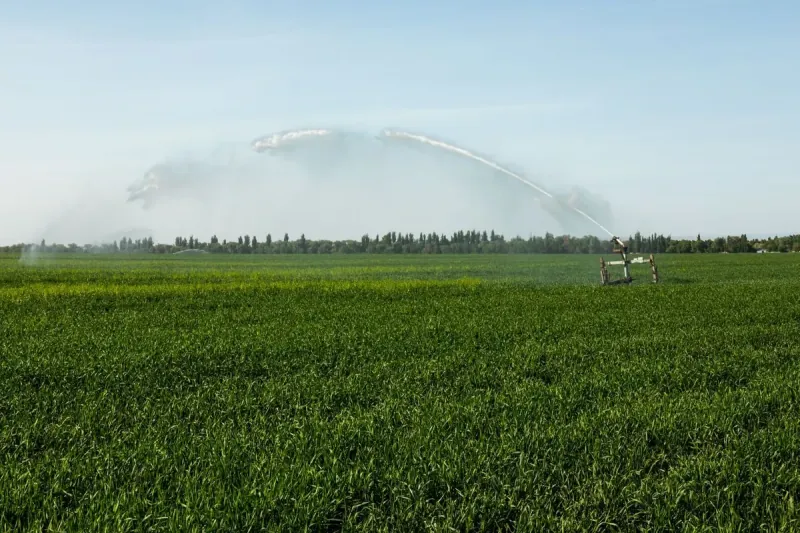
IPCC and FAO reports predict a significant increase in the frequency of water stress and temperature anomalies by the early 2030s. Traditional farming methods will prove insufficient to compensate for yield losses caused by this rising climate stress. This will accelerate the need for climate-resilient technologies such as drought-resistant seeds, smart irrigation systems, and agroecological practices. Currently operating at pilot project levels, these applications are nearing commercialization in terms of technological maturity and cost-effectiveness. Notably, advancements in drip irrigation energy efficiency and genetic improvement efforts are opening the door to this transformation.
Will International Funds And Policies Make Climate Resilience Mandatory?
The target set is that at least 30% of national agricultural policies and international funds should incorporate climate-resilient practices - either mandated or incentivized. A key dynamic driving this probability is the increasing requirement for international climate finance to shift not only from greenhouse gas reduction but also from adaptation. The Green Climate Fund and development banks are increasingly directing resources to vulnerable agricultural economies towards projects that mitigate climate risks. This could accelerate the spread of climate-resilient farming practices in developing countries.
What Challenges Stand In The Way Of Widespread Adoption?
Despite the high probability, significant challenges remain before this transformation can occur. The cost of technology for smallholder farmers, knowledge gaps, and inadequate infrastructure will lead to unequal dissemination across countries. Particularly in developing nations, policy priorities and limited financial resources could slow down the pace of the transition. Therefore, the success of climate-resilient agricultural systems will depend not only on technological advancements but also on the establishment of equitable financing mechanisms at a global scale and the facilitation of knowledge transfer.
In conclusion, the widespread adoption of climate-resilient agricultural systems by 2033 is a strong probability. However, this transformation will be shaped by countries’ speed of adapting to climate policies and the depth of international collaboration. The inclusion of these applications in at least one-third of agricultural support and funds would represent a critical threshold for global food security.
Frequently Asked Questions
What Does Climate-resilient Agriculture Encompass?
Climate-resilient agricultural systems include drought-resistant seeds, smart irrigation technologies (drip irrigation, soil moisture sensors), agroecological practices, and methods that protect soil health. These systems aim to safeguard agricultural production and maintain productivity against the adverse effects of climate change.
What Conditions Are Necessary For The Widespread Adoption Of Climate-resilient Agriculture?
Initially, national agricultural policies and international funds need to mandate or incentivize these applications. Furthermore, reducing the cost of technology access for smallholder farmers, addressing knowledge and infrastructure gaps is crucial. Shifting financing mechanisms towards adaptation will also accelerate the transformation.
What Is The Probability Of This Transformation Occurring By 2033?
Based on current IPCC and FAO data, the likelihood of climate-resilient agricultural systems being found in at least 30% of national policies and international funds by 2033 is assessed as 80%. However, this probability may vary depending on countries’ adaptation capacity and equitable distribution of financial resources.
Related Predictions
- Solar And Wind Combined Will Supply More Than 40% Of Global Electricity Generation. 2034 · Climate
- Global Installed Battery Energy Storage Capacity Will Exceed 600 Gigawatts By The End Of 2031. 2031 · Climate
- Renewable Energy Meets 80% Of Global Electricity. 2030 · Climate
- Global Carbon Emissions Fall To 50% Of 2010 Levels. 2030 · Climate
- Fusion Energy Meets 10% Of Global Electricity. 2030 · Climate